

The DAP-K party threatens to pull out of the united opposition if the DCP party fails to withdraw its candidate from the Malava by-election. Tensions boiled over in Kenya’s opposition circles today as the DAP-K Malava by-election threat took centre stage, with the Democratic Action Party of Kenya (DAP-K) issuing a stark ultimatum to its allies.
The party has warned it will sever ties with the united opposition coalition unless the Democracy for Citizens Party (DCP) immediately pulls its candidate from the hotly contested Malava parliamentary race set for November 27.
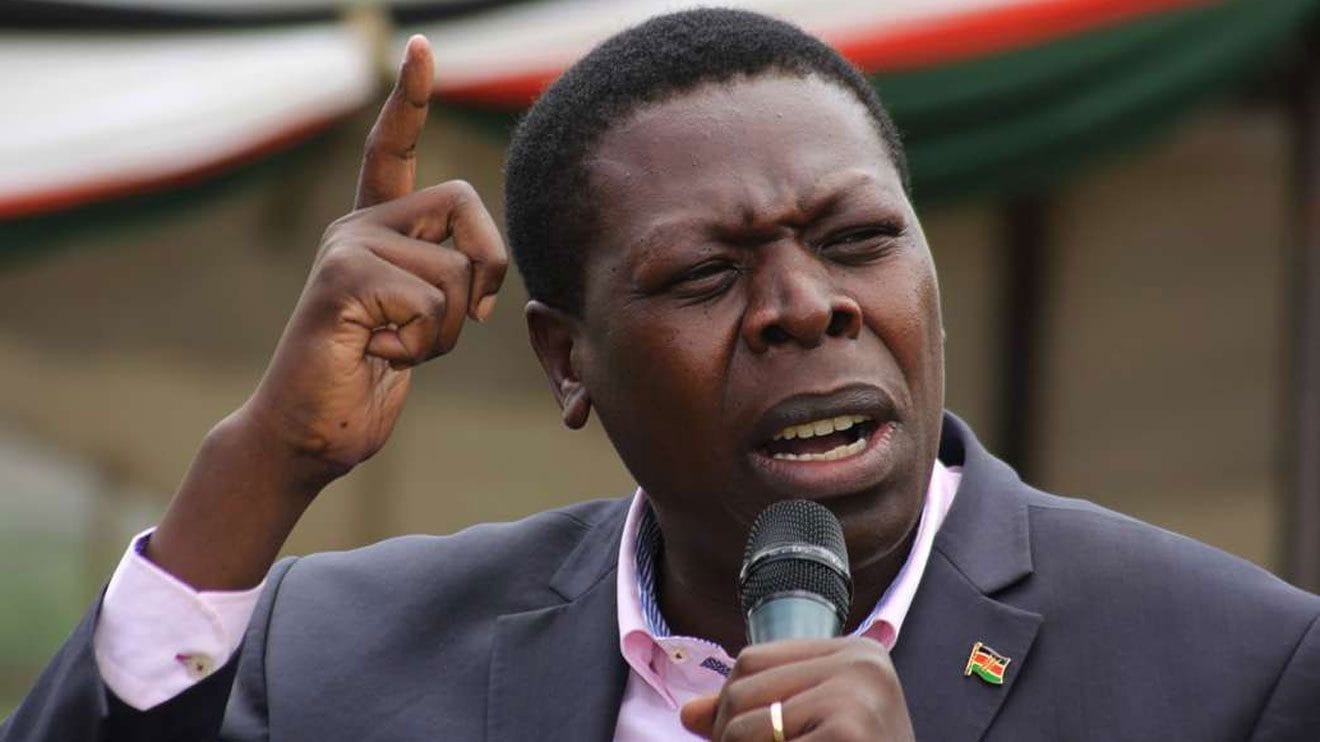
The dramatic showdown unfolded during a fiery press briefing in Kakamega, where DAP-K leader Eugene Wamalwa did not hold back. “We’ve built this coalition on trust and shared goals, but fielding rival candidates in Malava undermines everything,” Wamalwa declared, his voice echoing the frustration rippling through party ranks.
He demanded DCP withdraw Edgar Busiega Mwanga within 24 hours, paving the way for DAP-K’s Seth Panyako to run unopposed under the opposition banner. Panyako, a local favourite with deep roots in Kabras Division, has been campaigning vigorously since securing the direct nomination in August.
Supporters see him as a unifying figure to reclaim the seat left vacant after the death of MP Malava Inyangala. But DCP’s insistence on Busiega, a sharp lawyer from the Mt Kenya region, has sparked accusations of opportunism, especially given DCP’s smaller footprint in Western Kenya.
Kakamega Senator Boni Khalwale, never one to shy from controversy, threw his weight behind Panyako earlier this week, publicly ditching the United Democratic Alliance (UDA) contender David Ndakwa. “DCP’s move is a betrayal; it’s time to rally behind Seth for a real win,” Khalwale blasted, urging voters to snub what he called “imported candidates”.
His endorsement, broadcast live on local radio, has mobilised youth groups in Butali and Shisejere markets, where placards reading “One Opposition, One Candidate” now dot the landscape.
The rift isn’t new. Back in July, UDA’s Hassan Omar and ANC’s Musalia Mudavadi had pleaded with DAP-K to shelve Panyako’s bid, but supporters led by Barasa Mulukwana shot it down at a raucous rally. “We won’t bow to outsiders dictating our fights,” Mulukwana roared, a sentiment echoed by women leaders like Nancy Wanakacha.
Chaos erupted in September when goons, widely suspected to be hired muscle, stormed a Golf Hotel briefing by disgruntled DAP-K aspirant Caleb Burudi, who petitioned to revoke Panyako’s ticket.
Burudi called it a “stitch-up”, but party elders dismissed his plea as sour grapes. DCP, aligned with Deputy President Rigathi Gachagua’s camp, fired back swiftly. Busiega dismissed withdrawal rumours as “cheap propaganda” during a September 11 address, vowing to fight to the wire. “I’m in this for Malava’s people, not party games,” he insisted, flanked by Mt Kenya allies who view the seat as a bridge-building exercise.
Yet, whispers in opposition corridors suggest Gachagua’s push stems from a bid to expand DCP’s influence beyond its Mt Kenya base, a move critics label as tone-deaf to local dynamics.
This DAP-K Malava by-election threat comes atop earlier concessions. DCP had stepped aside in three other by-polls, Bomboi, Kiharu, and Kasipul, to foster unity, a decision hailed by Wamalwa as mature statesmanship.
But Malava, a Luhya heartland stronghold, feels different. Analysts warn the split could hand victory to UDA on a platter, fracturing the Azimio la Umoja remnants and Azimio offshoots just as they gear up for 2027.
One viral post quipped, “DCP in Malava? That’s like sending a Kikuyu to herd camels in Turkana—bold, but bound to backfire.”
Panyako’s team, meanwhile, ramps up door-to-door drives, promising better roads and youth jobs if elected. As the clock ticks on Wamalwa’s deadline, eyes turn to a potential emergency huddle between the parties.
Will DCP blink, or does this spell the end of their fragile pact? For Malava’s 120,000 voters, weary of endless campaigns, the real casualty might be faith in opposition harmony.
In the sweltering heat of Western Kenya’s political arena, today’s threat feels less like a bluff and more like a breaking point, one that could redefine alliances for years to come. Governor Fernandes Barasa, a Kenya Kwanza ally, watched from the sidelines with a smirk, hinting at UDA’s quiet glee.