


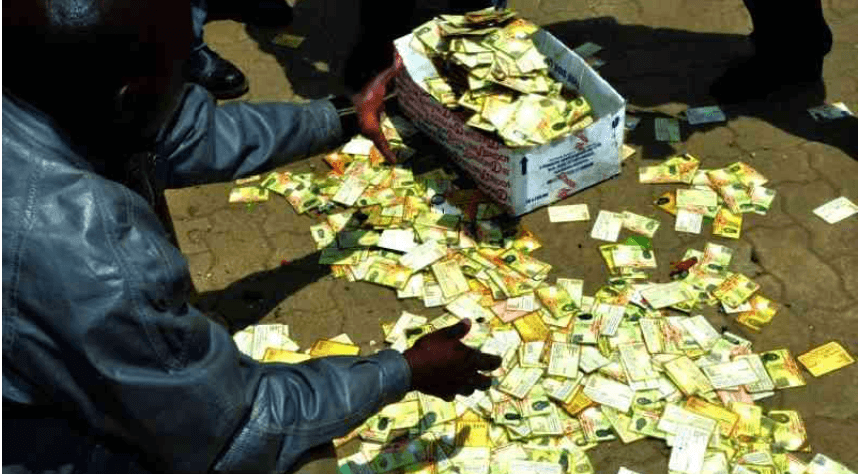
The Kenyan ID scandal has exploded into a national security crisis after The Standard newspaper exposed how rogue Somali officials in the Kenyan government are selling genuine citizenship documents for Ksh100,000 each to Somali nationals across the border, with over 10,000 original IDs already distributed through a sophisticated racket linked to Nyayo House insiders.
When President William Ruto announced the scrapping of the 60-year-old vetting requirement for issuing national identity cards in Northern Kenya, many in the region breathed a sigh of relief.
For generations, residents of the northeastern counties of Mandera, Wajir, Garissa, Isiolo, and Marsabit had faced obstacles not only in accessing basic government services but also in asserting their identity as Kenyans.
Investigative reporters at The Standard spent months infiltrating border towns like Mandera and Garissa, uncovering a web of corruption that preys on desperate Somalis fleeing economic collapse and clan violence at home.
The operation, dubbed “Citizenship for Sale” in the bombshell front-page story published Monday morning, details how buyers wire money via hawala networks in Mogadishu before receiving their Kenyan IDs within weeks, complete with birth certificates and voter registration.
The scandal broke wide open last Thursday when Mandera County police raided a safe house in El Wak, arresting 26 suspects, including three low-level immigration officers, two Somali businessmen and 21 aspiring “Kenyans”.
Seized documents revealed ledgers tracking 10,427 IDs sold since early 2024, each fetching the standard Ksh100,000 fee. “It’s like buying a plot in Eastlands, but this plot comes with a Kenyan passport,” one arrested broker whispered to detectives, according to court affidavits filed in Garissa Magistrate’s Court.
Sources within the Directorate of Criminal Investigations point fingers at mid-level staff at Nyayo House, the hulking immigration headquarters in Nairobi’s city centre. “These are Somali-Kenyan officers who know the system inside out.
The arrests represent just the tip of the iceberg. While the 26 are in custody awaiting charges under the Kenya Citizenship and Immigration Regulations Act, insiders say the syndicate’s kingpins remain at large, operating from safe houses in Baidoa and Kismayu.
Buyers, mostly young Somali men in their 20s and 30s, use the IDs to slip into Kenya for hawala jobs, real estate flips in Eastleigh or even low-security government contracts. One intercepted chat log showed a buyer boasting, “Paid 100k, now I’m Kenyan. Next stop, Nairobi taxi rank.”
National security experts are sounding alarms over potential terror risks. “These fake citizens could be anyone. Al-Shabaab recruiters have long eyed porous borders. Selling IDs is handing them keys to our airports and banks,” warned the retired major.
The scandal echoes 2024 President William Ruto’s announcement that struck out mandatory vetting for people in Northeastern and others from the Cushitic community, now making Somali nationals roam free in the Kenyan capital.
Immigration Principal Secretary Julius Bitok addressed the media at Afya House Monday afternoon, vowing a full purge. “We have suspended 15 officers pending investigation. Nyayo House servers are being audited for ghost entries. No mercy for those trading our sovereignty,” he said, flanked by EACC sleuths.
The Ethics and Anti-Corruption Commission announced it would freeze assets linked to the brokers, estimating the syndicate’s haul at over Ksh1 billion.
Communities on both sides of the border are reeling. In Somalia, President Hassan Sheikh Mohamud’s office distanced itself, calling the sellers “rogue elements undermining bilateral ties.” Kenyan Somalis, already scarred by decades of profiling, fear backlash.
For a nation built on the promise of unity in diversity, this Kenyan ID scandal lays bare the rot at the heart of identity: when citizenship becomes a commodity, trust in the republic crumbles. With more raids planned this week, the question hangs: how many more “Kenyans” walk among us, bought and paid for?