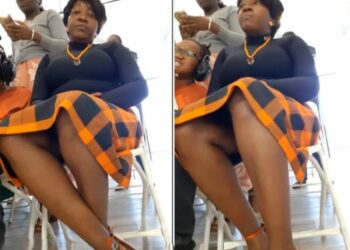

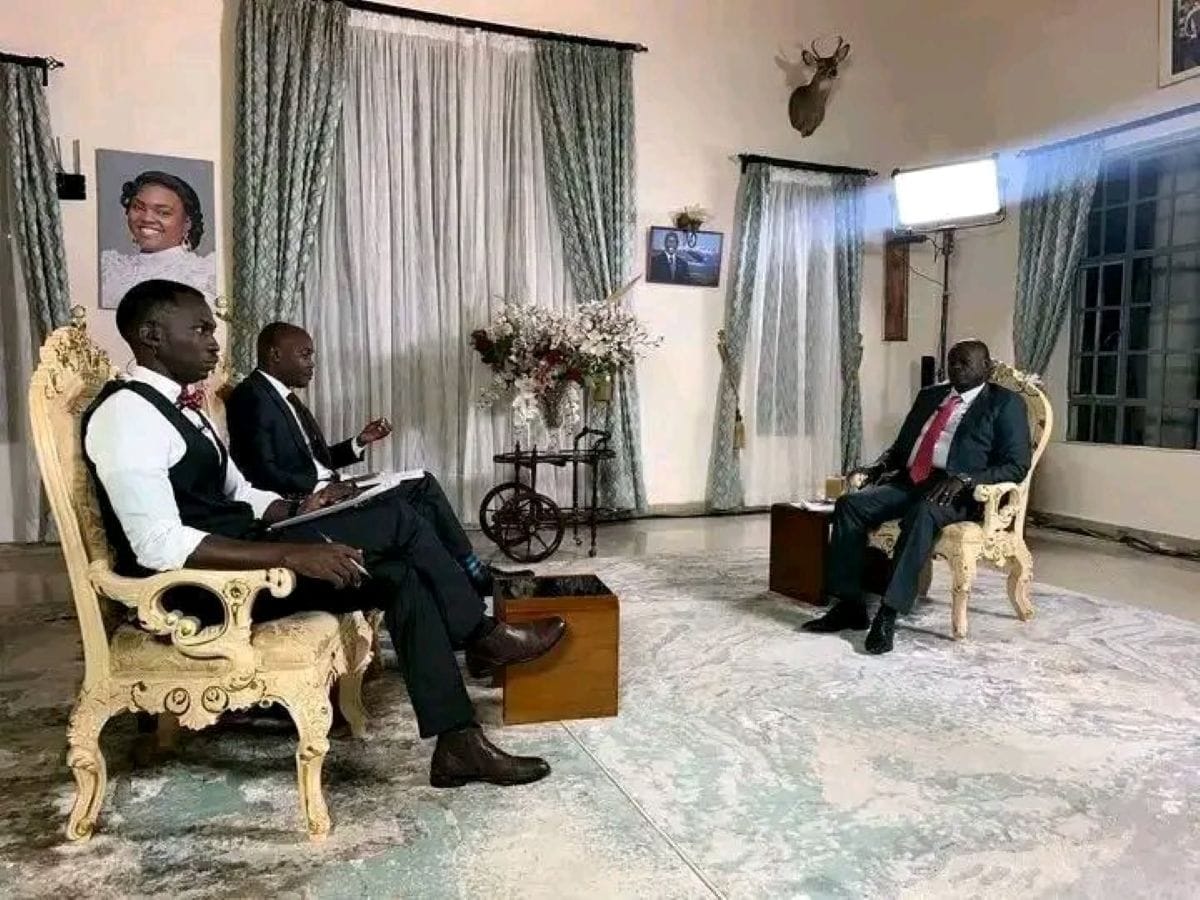
The leak of the Trevor Ombija live interview, in which Gachagua was questioned, has sparked significant discussion online since a video appeared showing a journalist receiving questions via WhatsApp during the live broadcast. The video, which quickly went viral on social media, has brought up new questions about fairness and trust in televised political interviews.
At the center of the storm is Trevor Ombija, a well-known presenter connected to Ramogi TV and FM. The video implies that Ombija might have received real-time questions on his phone during an interview with Rigathi Gachagua. The clip, reportedly recorded by members of Gachagua’s team, appeared online shortly after the broadcast ended.
Gachagua has openly criticised the interview, claiming it wasn’t fair from the start. He claims the leaked footage shows the questions were prepped and fed to the journalist during the interview. He believes the incident was part of a plan to put him under pressure and paint him in a negative light in front of viewers.
In a statement shared with local media, Gachagua said the interview confirms his long-held concerns about media bias. He argued that such practices could mislead the public and damage the credibility of journalism. “This was not a balanced interview,” he said, adding that he felt targeted during the exchange.
The video itself shows a phone screen with incoming messages believed to contain interview prompts. While it is not clear who sent the messages, the timing has raised questions. Some viewers believe it could simply be editorial support, which is common in live television. Others see it as evidence of outside influence.
For his part, Ombija has not issued a detailed response at the time of writing. Sources close to the station say internal conversations are ongoing as the organization reviews the situation. Media insiders point out that live interviews often involve producers communicating with presenters behind the scenes, though usually through approved studio systems rather than personal messaging apps.
The event has sparked a larger discussion about how live television interviews are done. Presenters don’t usually work alone in newsrooms these days. A team often helps them come up with questions and keep the conversation going. But critics say that openness is important, especially when writing about politicians, as it fosters transparency and accountability in the political process.
Experts in the media say that when the leak happened is also important. It happened right after the interview aired and not long after Gachagua told people about his worries. People are asking if the release of the video was part of a bigger plan to question what was said during the broadcast.
People have had different reactions on social media. Some people have defended Ombija by saying that journalists need help during difficult interviews and that getting notes is normal. Others have backed Gachagua, saying that using WhatsApp during a live interview is morally wrong.
In Kenya, several groups that watch over the media have asked for calm and a careful look at the facts. They stress that you shouldn’t jump to conclusions based on just a short video clip. They also agree that the situation shows how important it is to have clear rules about how to handle live interviews.
The relationship between politicians and the media, which can be tense, is also brought up in this case. Public figures need journalists to get their message out, but they also want to be treated fairly. When that trust breaks down, it can quickly become a topic of conversation across the country.
As the story goes on, people are left with important questions. Should journalists be able to get real-time feedback during interviews? Where do you draw the line between editorial support and outside influence? And most importantly, how can media companies keep people’s trust in a time when everything can be recorded and shared right away?
For now, the focus is still on what the investigation will show. The media company and the people involved are both under pressure to explain what happened. The Trevor Ombija live interview leak in the Gachagua questions row is likely to stay a big story in Kenya’s media and politics until then.