

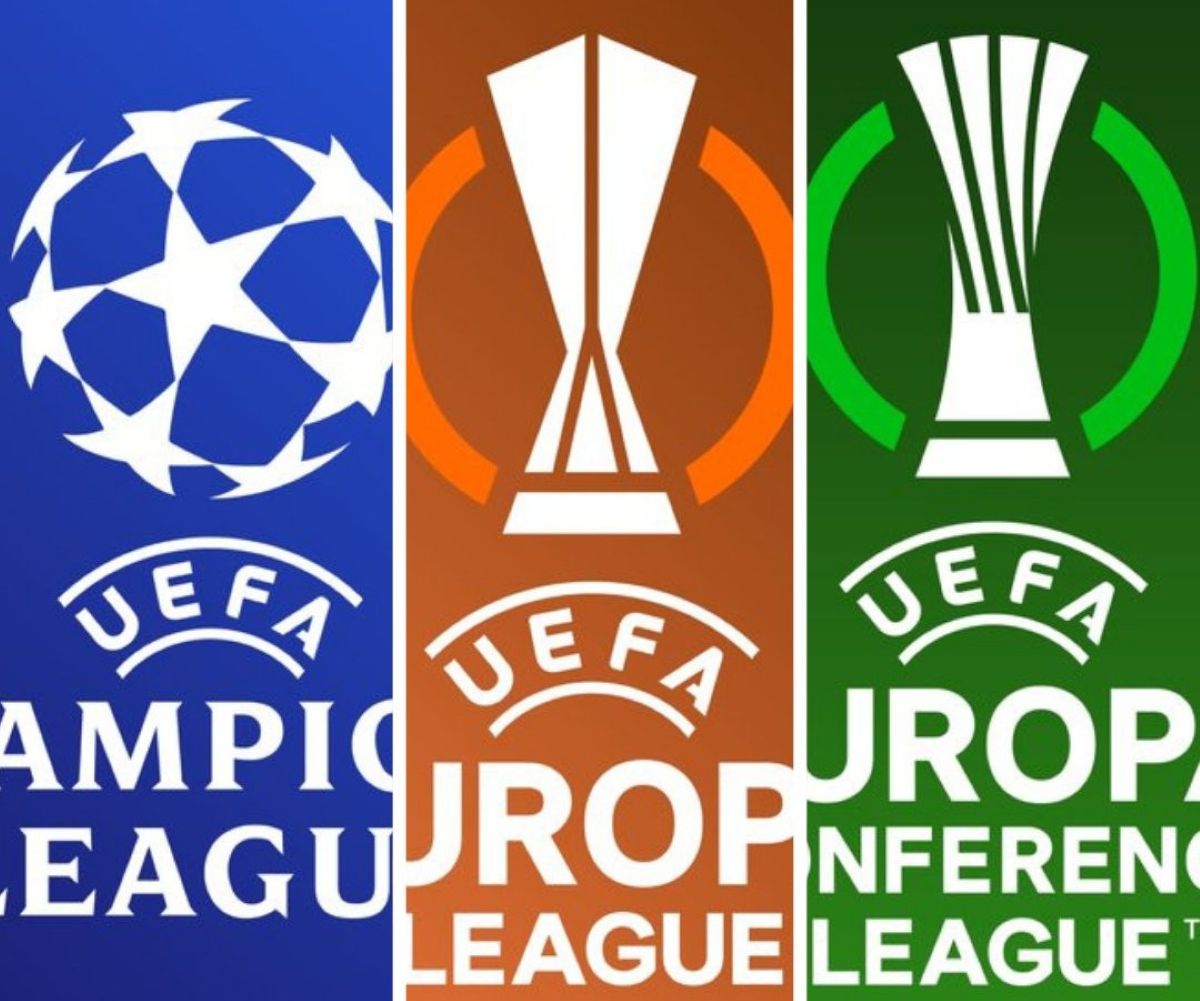
England will send a record-equalling nine Premier League clubs into European competitions next season, 2026-2027, after Crystal Palace’s win secured the final spot. Arsenal, Manchester City, Manchester United, Liverpool, and Aston Villa head to the Champions League, while Bournemouth, Sunderland, and Palace take Europa League places, and Brighton enters the Conference League, underlining the strength of English football right now.
This achievement comes hot on the heels of the 2025-26 campaign that wrapped up with drama across multiple fronts. Fans in pubs from Liverpool to London stayed glued to screens as results on the final Premier League weekend and in Leipzig combined to create history. Crystal Palace’s victory in the Conference League final against Rayo Vallecano on May 27 sealed the deal for that ninth English team.
The streets around Selhurst Park erupted when Jean-Philippe Mateta scored the winner. Supporters waved flags late into the night, chanting about their south London heroes bringing Europe back to the club. For many Palace fans, it felt like a reward after years of hard graft under Oliver Glasner.
England’s 9 Clubs’ European Record Boosts Premier League Pride
Talk in Manchester and Birmingham this week revolves around what this means for the squads. One seasoned scout from a top club put it simply over coffee near Old Trafford. “It shows the depth we have. Not just the big boys, but teams like Bournemouth and Sunderland stepping up too.”
Bournemouth’s first-ever European campaign arrives after a solid sixth-place finish. Cherries supporters in Dorset beacheside bars speak with genuine pride about their players finally getting to test themselves against continental sides. Sunderland, newly promoted not long ago, climbed into seventh with a last-day result against Chelsea that sent their Wearside faithful into raptures.
Brighton secured a spot in the Conference League by finishing eighth in the league. The Seagulls have built a reputation for smart recruitment and exciting football under their setup at the Amex, and another European run will give their creative players more chances to shine.

Five teams in the Champions League marks serious pedigree. Arsenal pushed hard all season and claimed the title. Manchester City and Manchester United stayed in the mix as usual. Aston Villa got their spot via consistent performances, and Liverpool snatched the final place after a tense battle. Walking through Anfield on a spring afternoon, you could feel the buzz as locals discussed potential group stage draws.
This joint record matches what the Premier League achieved last season. England’s strong UEFA coefficient helped create extra spaces, and with no major cup final losses disrupting the allocations, everything lined up. People who follow the numbers closely note how the league’s competitiveness spreads talent and money wider than in many other countries.
A football writer in a London cafe recalled chatting with coaches who appreciate the extra matches. “It wears the players down, sure, but it also builds character and brings in revenue that helps everyone,” he said. Critics point to fixture congestion, with some worried about midweek travels affecting domestic form by Christmas. Yet the excitement outweighs those concerns for most.
Younger fans especially love it. In Newcastle and Nottingham, kids wear shirts of their local heroes, dreaming of nights under famous European lights. For Sunderland, this represents a rapid rise that few predicted even a couple of years back. Their manager spoke after the final whistle about the journey and how the players deserved every bit of the reward.
Palace’s European triumph adds a fairy-tale layer. Mateta’s goal in Leipzig will replay on highlight reels for months. Club officials there talk about using the momentum to strengthen the squad smartly during the summer window. Supporters already plan trips to away grounds in cities they have only seen on television.
Across the channel, rival leagues watch with interest. The sight of nearly half the Premier League involved in Europe raises eyebrows and conversations about balance. Yet English clubs have earned this through results on the pitch over multiple seasons.
As the transfer window opens and pre-season friendlies begin in July, the nine teams will start plotting their paths. Some will target deep runs while others aim to establish themselves. The shared experience could lift standards even higher when they return to Premier League action.
In training grounds from the Midlands to the south coast, the mood feels lifted. Extra European revenue means better facilities and scouting networks. For players on the fringes, it creates opportunities that might not exist otherwise.
This record sends a clear message about the current health of the game in England. Depth, quality, and resilience showed through in the closing weeks of the season. Whether it leads to more trophies or tough lessons remains to be seen, but the adventure starts soon.