
Rigathi Gachagua has claimed that President William Ruto once shared a personal dream of becoming richer than the Kenyatta and Moi families combined and that he achieved it in just four years. The former deputy president made the remarks during an interview while in the United Kingdom.
Gachagua, who served alongside Ruto before his impeachment in late 2024, spoke openly about their past conversations. He described a time when the two men were close, and Ruto reportedly laid out his ambitions plainly.
“I remember when we were in good books, he told me that in five years he wants to be richer than the families of Kenyatta and Moi combined,” Gachagua said in the interview. “It looked like a tall order to me. Today it is true that he is richer than both families, but in the process he has destroyed everything.”
His words landed amid ongoing public frustration over the cost of living, fuel prices, and questions about how wealth moves in high places. Many Kenyans watching the clip on social media reacted with a mix of shock and familiar cynicism.
Old Allies Turn Critics
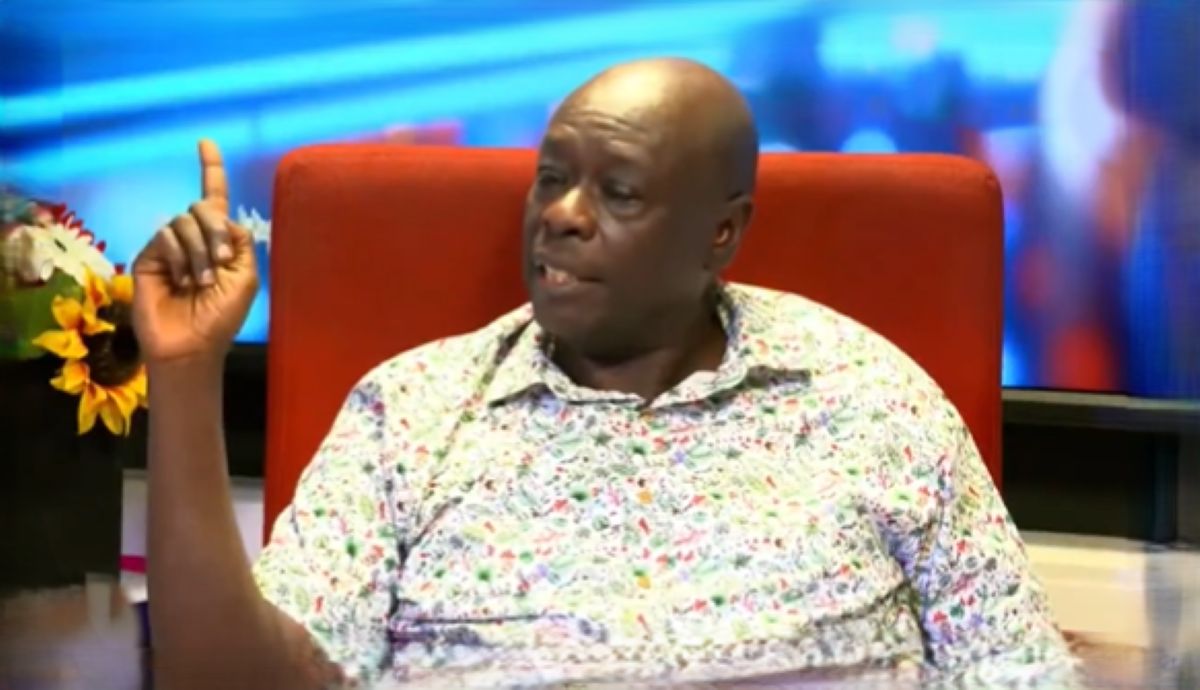
The interview, conducted on a Kenya Newsline programme, showed Gachagua seated comfortably as he recounted the story. He gestured with his hands while explaining how the president’s focus shifted.
Supporters of the current administration quickly pushed back, calling the claims sour grapes from a man removed from office. Others saw it as one more layer in the long-running drama between former partners.
Gachagua did not stop at the wealth comment. He painted a picture of a country paying a heavy price for one man’s gains. In the UK, he met with diaspora groups and party supporters, using the platform to air grievances that echo what many at home have whispered for months.
One local trader in Nakuru, who asked not to be named, shook his head while listening to the interview. “We voted for hustle, not for one person to hustle us,” he said.
Questions of Wealth and Leadership
Gachagua’s remarks come as Kenya grapples with real pressures. Hospitals report delays in payments under the new health scheme, leading to shortages of medicine in some facilities.
Families in rural areas say school fees and transport costs keep climbing. At the same time, stories of big contracts and luxury travel for those in power fuel suspicion.
The former deputy president warned that the next generation of leaders would face a tough rebuild. “Even as we are looking for leadership we will have a difficult time because we will have to start from scratch to restore Kenya,” he noted.
Critics of Gachagua point out that he too enjoyed the perks of high office and question why he did not speak out sooner. His defenders argue that the broken relationship gave him a clearer view.
In the end, Gachagua’s interview adds fuel to an already heated political season. Whether his claims hold water or simply reflect old grudges, they have ordinary Kenyans talking once more about what leadership should look like and who really benefits when power changes hands. The coming months will likely bring more voices into the mix as 2027 draws closer.