
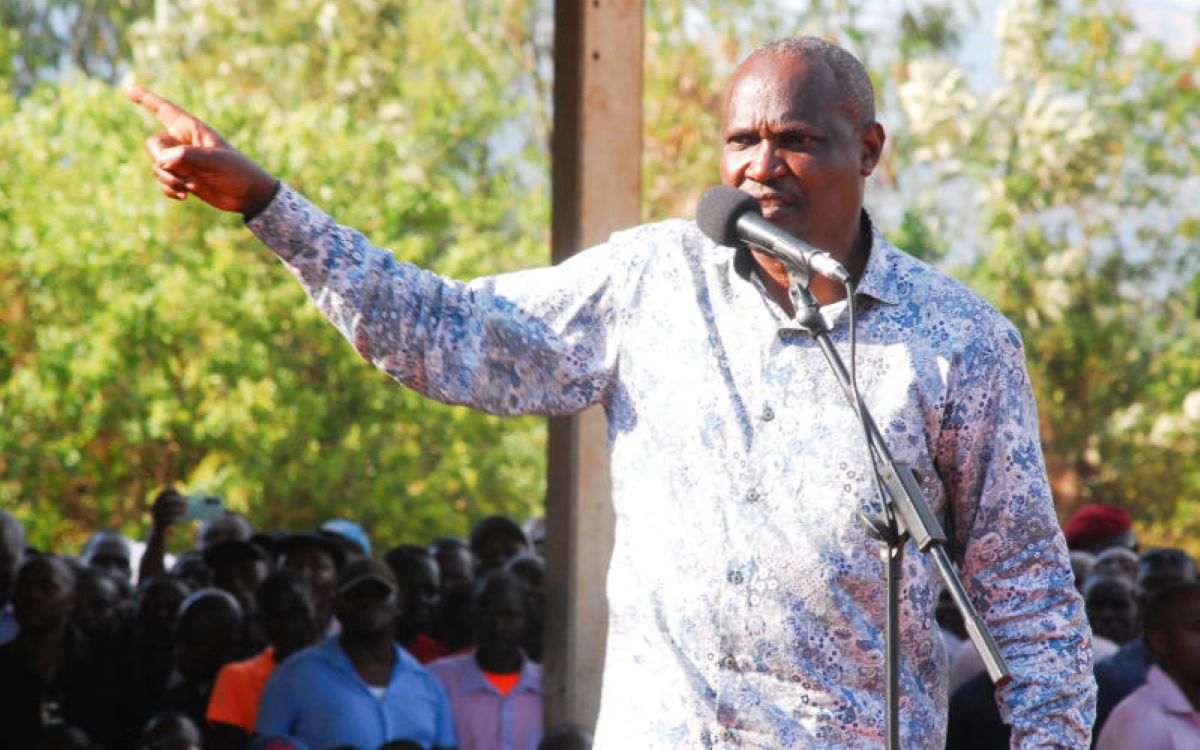
Treasury Cabinet Secretary John Mbadi has stirred debate within the Orange Democratic Movement by stating clearly that the party does not belong to any single family in the post-Raila period. His remarks came during a recent party retreat in Mombasa and quickly drew sharp responses from members of the Odinga family.
Speaking to party officials, Mbadi reminded everyone that the time when Raila Odinga, fondly called ‘Baba’ by supporters, led the ODM has passed. “Baba is no more. This is the post-Raila era,” he said.
He added that the party belongs to its members and not to one household. Anyone feeling uncomfortable with the current direction can walk away without issue. The party would keep those ready to build it stronger and had no room for members considered weak or entitled.
These words came at a sensitive time for ODM. Veteran leader Raila Odinga, who dominated Kenyan opposition politics for decades, died in October 2025 in India while undergoing medical treatment.
His brother Oburu Odinga succeeded him at the top job soon after. Many people expected a transition period, but there are signs of disagreement emerging faster than some anticipated.
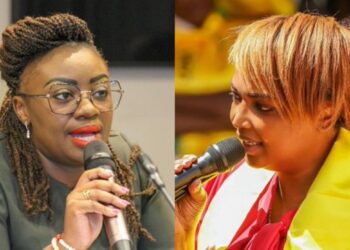
Kisumu Woman Representative Ruth Odinga has hit back hard at Mbadi’s remarks. She believed the comments unfairly targeted her family and suggested a personal attack.
Ruth argued that the Odinga name had helped build the party through years of hard work and sacrifice, not simply handed it over as private property. She called on everyone to respect the legacy while moving forward together.
Mbadi, a former ODM chairman, remained resolute. He described the party as a national outfit open to people from every community and background.
It does not serve one region or bloodline alone, he explained. His message seemed aimed at calming worries about dynastic control and encouraging fresh energy inside the organisation after the huge loss of its founding figure.
Political observers note that such conversations often arise when big leaders step away. Raila spent years building ODM into a major force known for pushing reforms, fighting for better governance, and giving voice to ordinary Kenyans.
His five presidential bids and involvement in previous coalition governments have left an indelible mark on the country’s democracy. Now the party has to find its feet without the man who defined it for so long.
Oburu, supporters of the current leadership say, has his experience from years in public service. He knows where the party originated, but he has the challenge of uniting the various factions, all of which claim to follow the original vision.
Some members worry that too much focus on family connections could push away talented people from other areas. Others believe honouring the Odinga contribution remains important for keeping grassroots support alive, especially in Western Kenyan strongholds.
This latest exchange happens as Kenya prepares for future elections. ODM leaders know they must show unity if they want to stay relevant on the national stage.
The 2027 strategies are already the subject of much discussion in Nairobi and beyond. Will the party stick to its traditional base or reach out wider? How will it handle internal disagreements without losing steam?
Mbadi’s call for strength and openness has supporters who see it as a healthy sign of maturity. They say parties are better when they’re not afraid to talk straight instead of dodging hard questions. Critics say the tone risks creating an unnecessary division when healing after Raila’s death should be the priority.
There is a mixed reaction to the community on social media and at local meetings. Some Nyanza residents praised Mbadi for speaking what they called plain truth on the issue of shared ownership.
Others said they were disappointed and that it was disrespectful to the sacrifices the Odinga family had made in many election cycles. Local leaders in different counties continue to watch closely, knowing any major split could affect development projects and political alliances in their areas.