
Kirinyaga Governor Anne Waiguru has distanced herself from the impeachment of former Deputy President Rigathi Gachagua, saying she was not part of government decisions at that time. Her remarks come as senior leaders admit it is getting harder to convince ordinary Kenyans about the achievements of the current administration.
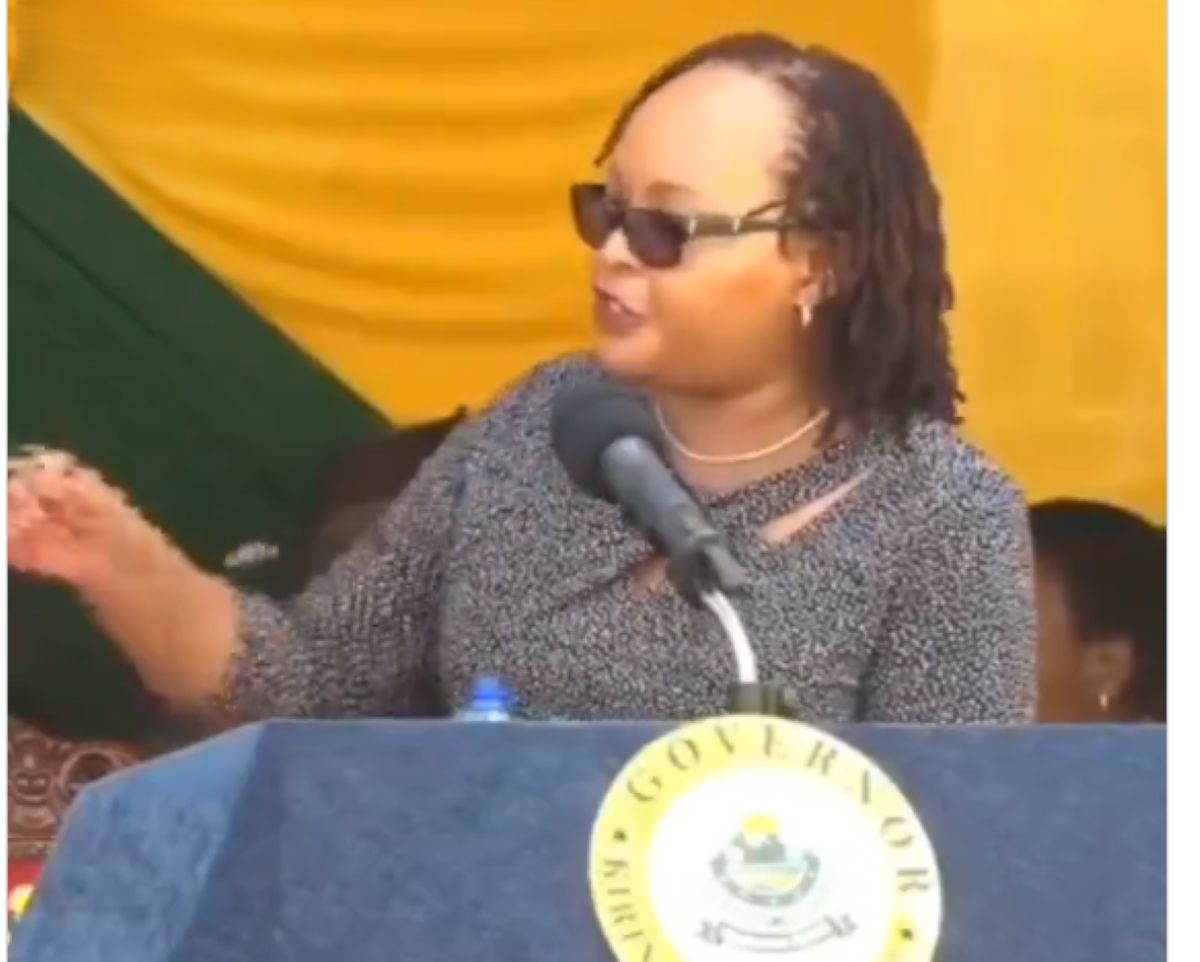
During a recent public event in her county, Waiguru urged residents not to blame her for the events surrounding the impeachment process. She stressed that she joined the government after that turbulent period and, therefore, carries no responsibility for what happened then.
Many in the crowd nodded as she spoke because the impeachment still stirs strong feelings, especially in Mt Kenya areas where Gachagua enjoyed wide support.
The governor explained that her team focuses on delivering services like better roads, health facilities and support for farmers. Yet she admitted it has become increasingly difficult to highlight these efforts.
‘Many people seem unwilling to listen,’ she said, ‘no matter how much progress shows on the ground.’ This frustration echoes what other leaders have shared recently.
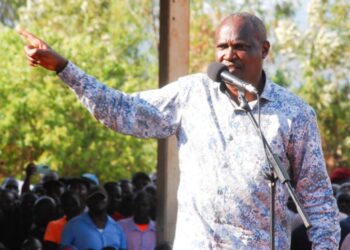
Just days earlier, Cabinet Secretary Wycliffe Oparanya expressed similar concerns while addressing gatherings in Western Kenya. He noted that selling government programs in that region feels like an uphill task.
Citizens appear frustrated with the high cost of living and want quicker solutions to daily problems. The two statements from different parts of the country paint a picture of a government struggling to connect with its base.
Political observers say the challenge runs deeper than simple communication. The impeachment of Gachagua last year left scars in certain communities. Families and voters who backed the former deputy president still feel let down.
One farmer said he appreciates new roads but still struggles to pay school fees, build a house, transport goods and buy fertiliser.
This wave of honest admissions from leaders signals shifting dynamics inside the ruling coalition. After the dramatic removal of Gachagua from office, President William Ruto moved to stabilise his government by bringing in new faces and adjusting strategies.
Supporters of the governor defend her position, arguing she should not carry blame for decisions made before her time.
The majority, on the other hand, say all officials in the administration share collective responsibility for how things stand today. They want more tangible results instead of explanations.
In Western Kenya, where Oparanya comes from, similar issues arise. Leaders there report that people compare current conditions with promises made during campaigns.
They want visible change in agriculture markets and infrastructure. When explanations dominate instead of solutions, patience wears thin.
The situation leaves many ordinary citizens wondering what comes next. With elections still some months away, there is time for course correction.
Governors and cabinet secretaries appear to recognise the communication gap and are trying new ways to engage. Waiguru, for instance, has increased town hall meetings where people can ask questions directly.
At the heart of it all stands the everyday Kenyan trying to make ends meet. A mother selling vegetables in Kerugoya worries about rising transport costs. A boda boda rider in Kakamega complains about fuel prices.