

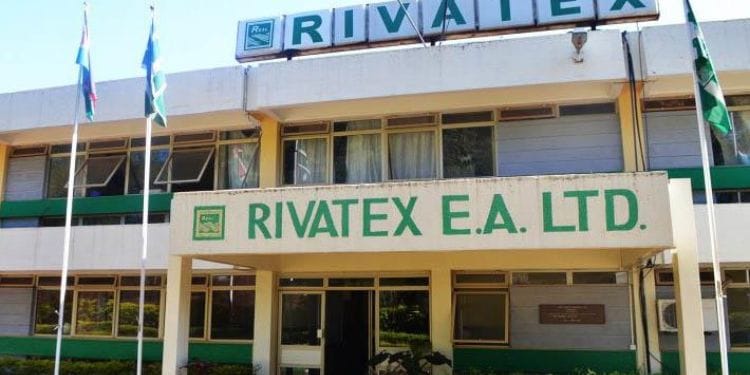
Eldoret’s textile heart skipped a beat this week as the RIVATEX 21-year lease deal with a shadowy foreign investor sealed its fate, leaving locals reeling and reigniting fiery debates on public participation’s hollow ring in Kenya’s privatisation playbook.
Dr Jumwa Mukhwana, Principal Secretary at the State Department for Industry, dropped the bombshell during a low-key handover, framing the 21-year handoff to ARISE Integrated Industrial Platforms as a lifeline for the ailing mill.
RIVATEX East Africa, that sprawling Moi University-owned giant in Eldoret’s industrial haze, has bled red ink for years, debts piling like unsold bolts of cotton, machines rusting from neglect. Born in the ’70s as a nod to self-reliance dreams, it once spun jobs for thousands, weaving uniforms for the military and schoolkids alike.
But mismanagement and global slumps turned it into a ghost factory, forcing the government’s desperate pivot to private muscle.
ARISE IIP, a Dubai-based heavyweight with African footprints from Gabon to Togo, swooped in as the “strategic non-equity partner”. No cash sale here, just a long-term lease to operate, revamp, and hopefully pump life back into the 4,000-worker beast.
Mukhwana painted it rosy: “This breathes new efficiency, cuts state bailouts, and boosts our Special Economic Zone ambitions.” The firm stays government-owned, she stressed, a lease, not a loss, with ARISE footing revival bills in exchange for two decades-plus of control. But the fine print has got tongues wagging and fists clenching.
Hundreds, nay thousands, of workers got redundancy pink slips last week, with terminal dues dangling like carrots in a layoff lottery.
“One day you’re threading needles, next you’re jobless in the streets,” lamented former seamstress Grace Chebet, 42, outside the factory gates, her calloused hands idle for the first time in 15 years.
Protests simmered low-key, with union reps decrying the “fire-first, hire-maybe” shuffle that could see locals edged out for expat know-how.
Enter the elephant: public participation, that constitutional buzzword that’s more mirage than mandate in Kenya’s deal-making dens. Mukhwana insists the process ticked boxes, with town halls in Uasin Gishu and stakeholder nods from June barazas.
Yet, whispers from Eldoret’s markets paint a different canvas: sparse crowds, scripted cheers, and zero real sway. “We showed up to rubber-stamp, not shape,” griped activist Paul Kiprono, whose petition for valuation transparency gathered dust.
In a nation scarred by fire-sale scandals, from Telkom’s tumble to sugar mill messes, RIVATEX’s handover smells like déjà vu, fuelling cries that Article 10’s “people power” is just pretty ink on paper.
The RIVATEX 21-year lease isn’t isolated folly. It’s a thread in Treasury’s privatisation tapestry, chasing IMF nods and debt dodges amid Sh10 trillion burdens.
ARISE promises 5,000 new jobs, tech upgrades, and export booms to Ethiopia’s markets, but sceptics scoff: “Foreigners fix, we foot the cleanup?” One X thread, viral among Rift Valley hustlers, quipped, “Lease today, lament tomorrow: Kenya’s classic con.”
Politicos aren’t mute. Uasin Gishu Governor Jonathan Bii, eyeing re-election, hailed it as “progress”, but opposition firebrand Caleb Kositany blasted the hush-hush handover: “No public input? That’s not partnership; it’s pilferage.” Women’s groups, hit hardest by the layoffs, rallied at the county HQ, banners screaming “Jobs for Us, Not Ghosts!” Their plea? Reinstate voices before the ink dries.
As ARISE’s suits tour the looms, Eldoret’s air thickens with uncertainty. Will this lease spin gold or just more yarn? For now, the RIVATEX 21-year lease stands as a stark mirror: Public participation is preached, but is it practised? Barely a whisper. In Kenya’s boardrooms, where deals brew faster than chai, the real weave is one of power, threads pulled tight by few, fraying the many. Revival or ruse? Eldoret waits, needles at the ready.