

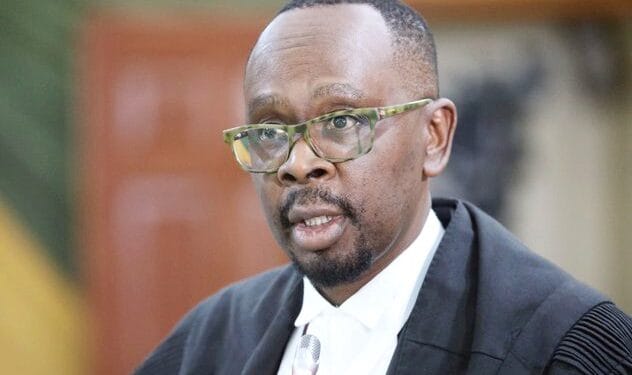
Fresh firepower entered Kenya’s protest payout saga today as the Mohamed and Ombati protest compensation panel appointment breathed new life into a stalled quest for justice. Senior Counsel Abdikadir Mohamed and Advocate Omwanza Ombati stepped up as legal eagles for the Panel of Experts on Compensation of Victims of Demonstrations and Public Protests, a move aimed at bulldozing through the High Court’s recent roadblock.
The duo’s enlistment comes hot on the heels of Justice Chacha Mwita’s September 9 order that slammed the brakes on the panel’s operations. Mwita, presiding at the Milimani Constitutional and Human Rights Division, ruled the setup smacked of executive overreach, lacking parliamentary nod and public input, breaching the 2010 Constitution’s participatory ethos.
“You can’t just decree compensation without the people’s voice,” he chided, suspending activities until the merits shake out. That freeze left families of the fallen—over 60 dead from 2017’s election unrest to June’s anti-tax fury—hanging in limbo, their grief compounded by red tape.
President William Ruto’s brainchild, gazetted August 26, was meant to heal wounds with Sh4 billion in payouts, chaired by Prof. Makau Mutua and initially vice-chaired by Law Society of Kenya boss Faith Odhiambo.
Sworn in on September 4 amid cautious cheers, it promised holistic redress: cash for kin, therapy for trauma, and even policy tweaks to curb future crackdowns. But Odhiambo bailed on September 11 under LSK fire for perceived conflicts, followed by Amnesty Kenya’s Irũngũ Houghton, citing ethical quagmires.
The panel’s now a leaner ship, scrambling to lift the injunction via a Kerugoya High Court appeal lodged September 11.
Enter Mohamed and Ombati, heavy hitters with reps for constitutional tussles. Mohamed, the Garissa-born silk known for al-Shabaab intel briefs at the UN, brings gravitas from defending state probes. Ombati, the no-nonsense litigator who’s sparred in election petitions, adds courtroom grit.
“They’re the A-team to argue urgency without shortcuts,” a panel insider dished a hint. The appointments, announced via a terse State House note, signal Ruto’s no-retreat stance.
“Justice delayed is justice denied, especially for the voiceless,” a presidency mouthpiece told reporters, nodding to June’s Gen Z uprising that claimed 60 lives per KNCHR tallies.
But activists aren’t sold. Katiba Institute’s executive director, David Ng’ethe, blasted it as “more window dressing”, and demanded full disbandment for a truly independent body. Families on the frontlines echo the mix.
In Mathare’s shadowed alleys, widow Amina Hassan, whose son fell to stray bullets in 2023 demos, clutched faded photos outside a support group meeting.
“Payouts help, but without accountability for cops? It’s blood money,” she sighed, her voice cracking over shared chai. Eastleigh Voice captured similar raw pleas on September 7, where kin shunned cash for criminal probes.
This Mohamed Ombati protest compensation panel boost isn’t mere legalese; it’s a pivot in Kenya’s reckoning with street fury. From 2007’s post-poll pogroms to 2024’s youth roar, protests have scarred deep, costing lives and livelihoods.
With the Kerugoya hearing looming on October 16, the lawyers’ arsenal could unlock funds or fuel fiercer fights. Ruto’s team eyes a pre-Christmas rollout, but High Court hawks circle, ready to clip wings. For the bereaved in Kibera hovels or Kisumu shanties, hope flickers fragilely.
“My boy’s gone; give us closure, not calendars,” urged one dad at a vigil’s end. As briefs file and benches bang gavels, the real verdict? It rests with a nation’s conscience, payouts or penance, panel or purge. In Nairobi’s rainy haze, the scales tip slowly, but the weight? Unbearably human.