

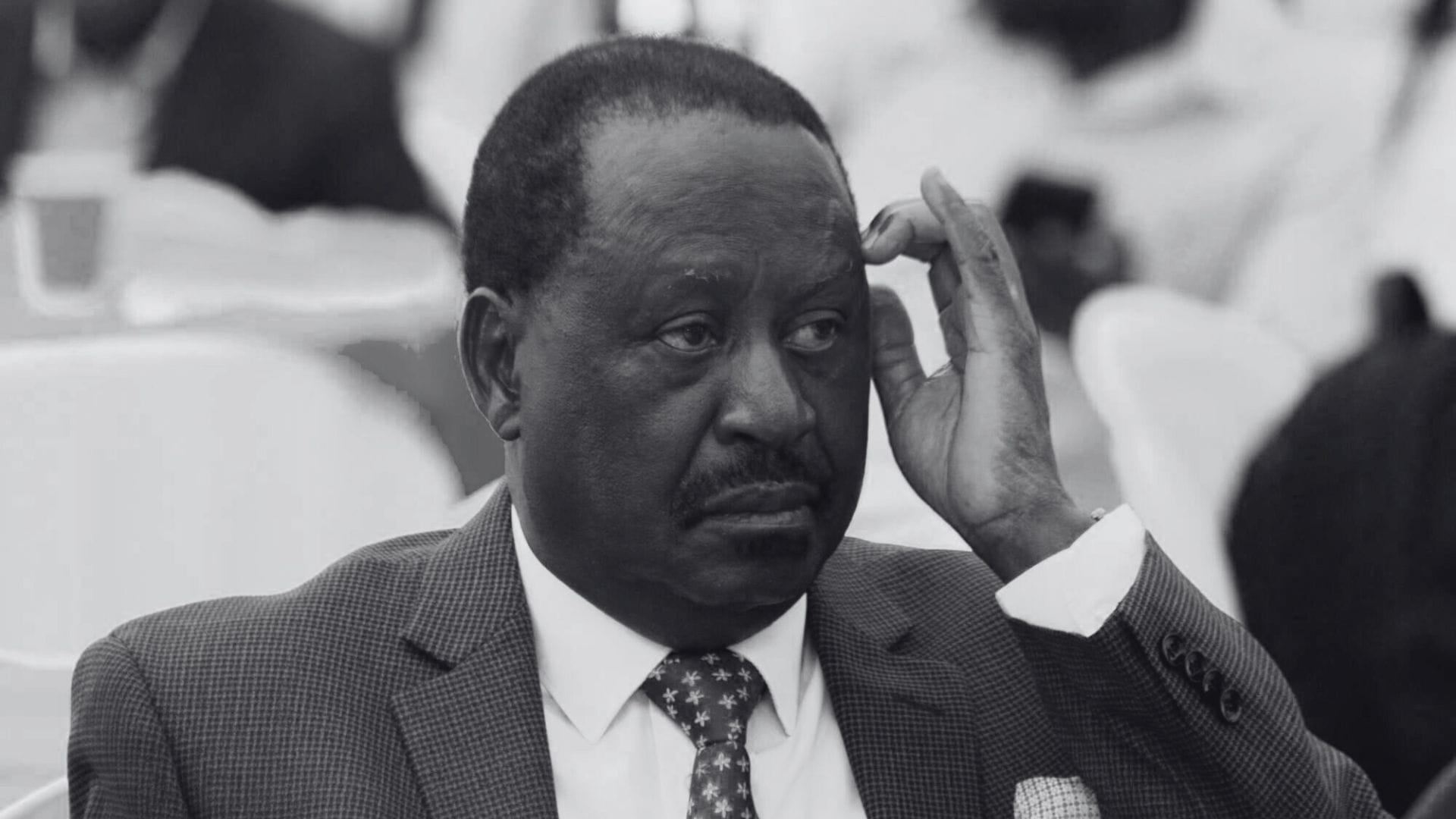
A media report that Raila Odinga never sued has resurfaced amid national mourning, as a fresh analysis from veteran journalists paints the late opposition icon as the sole top-tier Kenyan politician who endured scathing criticism without ever dragging outlets to court, a stark contrast to President William Ruto’s record of multiple defamation suits and recent legislative moves critics brand as digital gags.
Released just days after Odinga’s funeral procession drew millions, the report, compiled through interviews with media heavyweights, underscores his unique tolerance, boosting calls for press freedom in a tense political climate.
The piece, spotlighting Odinga’s four-decade dance with the fourth estate, draws from voices like former Nation Media Group editor Mutuma Mathiu and Standard Group veteran Peter Leftie, who recall how the “Enigma” thrived on headlines without reprisal.
“Raila rarely took offence at negative coverage and did not sue or complain,” Leftie notes, crediting this restraint for his status as the “darling of the media”. Unlike peers who weaponised libel laws to silence scrutiny, Odinga embraced the spotlight, good, bad, or bombastic, treating barbs as fuel for his populist fire.
Stories of his metaphorical rants, like likening rivals to “hyenas in sheep’s clothing,” filled front pages, driving sales without a single courtroom showdown. This approach, the report argues, cemented his grip on news cycles, from 2007’s post-election inferno to 2022’s nail-biter against Ruto.
Flip to the flip side, and the narrative sharpens on Ruto, whose tenure has seen a surge in media clashes. As deputy president, he slapped activist Boniface Mwangi with a defamation suit in 2016 over a tweet tying him to a tycoon’s murder, a case that ballooned into a potential trial of his own dealings.
Fast-forward to the presidency, and the pattern persists: verbal lashings at journalists, threats to “switch off” social media critics, and now the freshly signed Computer Misuse and Cybercrimes Amendment Bill, slammed as a gag order on dissent.
Fines up to KSh 20 million for “offensive” posts? Warrantless device seizures? Rights groups howl it’s Ruto’s toolkit to throttle the online fury that toppled his finance bill last year.
“While Raila let the media breathe, Ruto seems hell-bent on choking it,” quips one anonymous editor in the report, echoing fears that Kenya’s digital town square, once Odinga’s megaphone, is shrinking under state squeeze.
Timing couldn’t be more poignant. As Odinga’s casket rested in Bondo, with Ruto leading eulogies on his “unwavering commitment to democracy”, the irony bites.

Gen Z activists pivot the report into memes: Raila as a chill lion, Ruto as a censor’s wolf. The Media Council of Kenya, tracking 44 press violations this year alone, nods to the trend, up from last year’s tally, urging lawmakers to honour Odinga’s legacy by ditching the draconian.
Beyond stats, the report humanises Odinga as the everyman’s scribe, his parables turning policy wonkery into street poetry that sold papers without subpoenas.
Ruto’s suits, meanwhile, often fizzle, like the Mwangi dragnet that exposed more on the accuser than the accused, but the chill factor lingers, with journalists self-censoring on hustler fund flops or abduction whispers.