

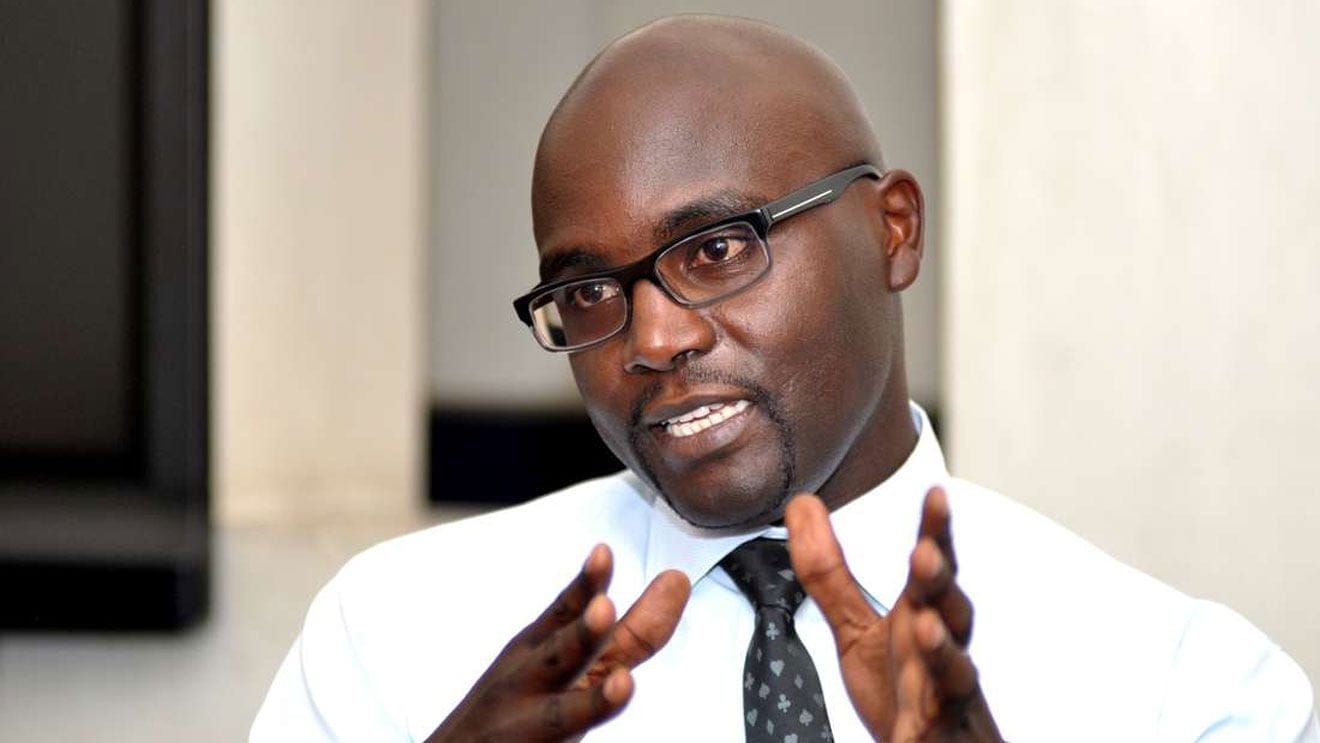
Harrison Mumia, president of the Atheists in Kenya Society, appeared in court on January 5, 2026, facing charges of sharing fake AI-generated images of President William Ruto. Prosecutors say the pictures showed the president lying in a hospital bed, making it look like he was dead or critically ill. Mumia denied the charges at Milimani Law Courts in Nairobi.
Hon. Dolphina Alego has set a hefty bond of Kshs. 1,000,000 after Harrison Mumia pleaded not guilty of posting images of Ruto lying in bed. He was charged with false publications contrary to Sec. 22 of the impugned Cybercrime Act at Milimani Courts after being detained for 4 days by the DCI.
The case stems from posts made on December 30, 2025. Authorities claim Mumia used a fake Facebook account under the name Robinson Kipruto Ngetich and his personal Instagram, @harrisonmumia, to share the images.
The prosecution says he knew the information was false but published it anyway. This falls under Section 22 of the Computer Misuse and Cybercrimes Act, which deals with spreading false data that could cause panic.
Mumia, 47, was arrested around New Year’s Eve. He spent time in custody before the court appearance. After pleading not guilty, the magistrate set bail at KSh 1 million or a cash alternative of KSh 500,000. Some reports say he struggled to meet the terms right away and spent extra nights in cells. His lawyer argued the conditions were tough.
Photos from court show Mumia was in the dock, looking serious as charges were read. He kept quiet outside the hearing.
Mumia leads the Atheists in Kenya Society, a group that pushes for secular views in a mostly religious country. The organisation has faced challenges before, like registration issues years ago. Mumia often speaks out on social media about politics and rights.
The fake images spread quickly online before authorities stepped in. AI tools make such pictures easy to create now, raising worries about misinformation. Kenya has seen more cases under the cybercrimes law lately, targeting false posts about leaders.
This isn’t the first time someone faced charges for online content about the president. Last year, a student got in trouble for a doctored photo implying Ruto’s death. And tech activist Rose Njeri dealt with cyber charges over a mass email tool aimed at MPs. She later earned a spot on TIME’s 100 Next list for 2025, highlighting her work despite the case.
Prosecutors say Mumia’s posts could alarm the public or harm national security. They pointed to multiple counts in the charge sheet.
Supporters online call the arrest heavy-handed. Others say laws protect against dangerous fakes. Debate continues on balancing free speech and curbing lies.
Mumia got released after meeting bail terms. The case heads to further hearings. No trial date set yet.
Cybercrime complaints rise in Kenya as social media grows. Officials warn against sharing unverified content, especially about sensitive topics.
For now, the story draws attention to AI’s role in misinformation. People watch how the court handles it.
Mumia’s group focuses on non-belief and human rights. This case puts him back in headlines for different reasons. As proceedings go on, more details might come out on the images and intent.