

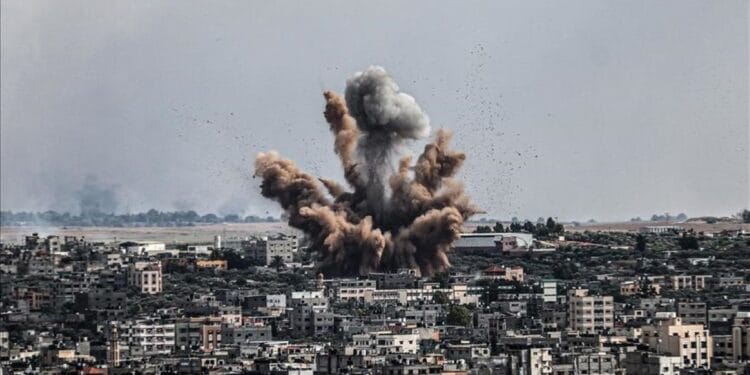
Kenya tells citizens to pay their own way home amid the Middle East crisis as the government urges over half a million nationals in the region to arrange their own flights out of conflict zones. Prime Cabinet Secretary Musalia Mudavadi delivered the message on March 6, 2026, stressing that no Kenyan has been hurt so far but advising those who want to leave to book commercial or repatriation flights at their expense while options remain open.
The advisory lands against a backdrop of rising tensions after recent attacks involving Israel, the United States, and Iran that have sparked fears of wider fighting. Mudavadi pointed out the large Kenyan community scattered across countries like Saudi Arabia, the UAE, Qatar, Kuwait, Bahrain, Jordan, Iraq, and others.
Many work in domestic jobs, construction, hospitality, and services, sending money back to support families here. He said the government keeps close watch through embassies and consulates, with missions on high alert and ready to help where they can.
Mudavadi made clear the priority rests on safety. He encouraged Kenyans to stay vigilant, avoid unnecessary travel, especially near military sites or crowded spots, and follow directions from local authorities.
Those thinking of heading home should use licensed airlines or trusted travel agents to secure seats before things get worse. He added that Kenya Airways has stepped in to help with some safe routes, though details on numbers or schedules stayed limited in his statement.
The news stirred strong feelings back home. Critics say the government promoted these jobs to cut unemployment and boost remittances, yet now leaves people to handle evacuation costs themselves.
Social media lights up with frustration, some calling it abandonment while others share stories of relatives scrambling to buy tickets amid rising airfares and limited flights. One person online asked why taxes go to foreign affairs if help stops at advice.
Mudavadi pushed back against harsh judgement in his words. He reminded everyone the situation remains fluid, with no reported injuries or deaths among Kenyans despite the chaos.
The ministry stays in touch with diplomatic teams on the ground, and more updates will come through official channels. He urged patience from businesses and families affected, noting efforts continue behind the scenes.
People who are against it have also spoken out. Some politicians want the government to pay for the whole evacuation, pointing to times in the past when Kenya airlifted people out of trouble spots.
One leader said that Kenya Airways should put safety ahead of making money and fly people home for free. But the official line stays the same. Mudavadi said that the government keeps an eye on everything that happens and will look into other options if the risks go up, including potentially increasing support for families affected by the situation and ensuring their needs are met during this challenging time.
Families in Kenya who are waiting are facing significant challenges. A lot of money comes from the Middle East to pay for school, medical bills, and everyday needs. It could also put a strain on resources here if a lot of people suddenly come back, leading to increased competition for jobs, housing, and social services that are already limited.
At the same time, staying put is very dangerous because missiles are flying and airspace is getting tighter. A lot of workers share news in group chats, deciding whether to stay at work or take the chance of going home.
This moment shows how hard it is to make decisions about foreign policy. Kenya needs good relationships with Gulf countries for jobs and investment, so it’s hard to make loud calls for evacuation. The warning strikes a balance between telling people to be careful and avoiding panic that could make things worse. Mudavadi’s message is meant to be honest about limits while also reassuring.
People keep an eye on the area as the conflict goes on. Some people feel better knowing that no one died, but the advice to pay for your own flight home leaves a bad taste in their mouths.
Workers abroad and families here hope things calm soon so normal life can resume.
For now, the government says stay safe, register with embassies, and make smart moves if leaving feels right. The coming days will show how many take that step and what support looks like on the ground. Kenya stands ready to assist through its missions, but the first move rests with individuals facing the heat of war far from home.