
KPA To Be Dissolved, Replaced by PPPs Set for Sh44bn Cash Boost
 Dan Mwadime
— March 10, 2026
Dan Mwadime
— March 10, 2026
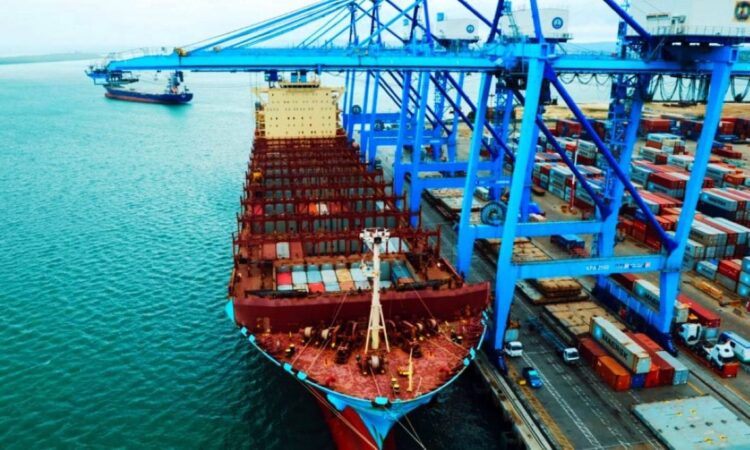
Kenya Ports’ PPP is set for a Sh44bn annual cash boost as the government pushes ahead with the biggest shake-up at the Kenya Ports Authority in decades. The statutory body that has run every major seaport on Kenya’s Indian Ocean coast since 1978 is about to lose its old form entirely. A new public limited company structure will replace it, providing opportunities for private operators to manage key terminals in Mombasa and Lamu through long-term agreements.
This shift has been building quietly but steadily. President William Ruto signed the Government-Owned Enterprises Act back in November 2023, and it took effect in December. That single law wipes out the old KPA Act and turns 66 commercial state bodies, including the ports authority, into profit-driven public limited companies.
The National Treasury becomes the main shareholder, and the focus switches from running like a government department to chasing real earnings and paying dividends straight to the national budget.
Roads and Transport Cabinet Secretary Davis Chirchir spelt it out clearly. KPA bosses will now make their own decisions on equipment purchases and other major decisions, without waiting for approval from the national government.
No more leaning on cheap loans backed by the state. The goal is for the ports to become self-sufficient and maintain their competitiveness. Government documents laying out the plan put the expected extra cash flow at Sh44 billion every year once the private partners get involved at the two ports combined.
The private money is already being lined up for four specific chunks of the ports. At Lamu, berths 1 to 3 will go under a 25-year landlord concession. A private investor takes over day-to-day operations and pays fixed plus variable fees back to the new KPA company.
The port cost about $480 million to build between 2014 and 2021, but it has barely moved cargo. Figures show only 5% of its 1.2 million TEU design capacity gets used right now.
The government wants up to Sh44.5 billion in private cash to build agri-bulk and liquid bulk terminals plus kick-start the 500-hectare Lamu Special Economic Zone that should feed into the LAPSSET corridor toward Ethiopia and South Sudan.
Down in Mombasa, berths 11–14 – built way back in 1967 – need a complete overhaul. The deal here is a design, build, finance, operation, and maintenance setup worth Sh45 billion. The private partner will strengthen the wharf, deepen the water, add modern container storage, and create proper truck parking.
Then comes Mombasa Container Terminal 1, covering berths 16 to 19, which will also switch to a 25-year landlord model just like Lamu. In every case, KPA keeps ownership of the actual land and infrastructure. Only the cargo handling passes to private hands for a set time.
Mombasa handled a record 45.46 million tonnes of cargo in 2025, up from 41 million the year before. While the rebound is encouraging, it’s important to acknowledge that the port is facing significant competition from its neighbour.
Tanzania gave DP World a 30-year concession at Dar es Salaam, and the extra capacity there has already pulled cargo away from Mombasa. Volumes dipped noticeably in 2022, as Uganda, Rwanda, and Burundi sent more goods along the southern route. The new private setups are meant to stop that slide and push Kenya back into the lead by improving efficiency and reducing costs for shipping companies operating in the region.
Not everyone is cheering yet. The primary concern is for the approximately 10,000 KPA employees, whose futures are in jeopardy. The plan talks about a voluntary secondment model where staff stay on KPA’s payroll but get loaned out to the private operators.
Some berths will stay under direct KPA control to keep a balance. Still, unions and civil society groups have raised red flags about possible job losses or changed conditions, emphasising that any changes in employment practices could undermine job security and negatively affect the livelihoods of workers and their families.
Maritime analyst Andrew Mwangura argues that while private operators can expedite upgrades, every action must adhere strictly to labour laws to ensure that workers’ rights are protected and that job security is maintained amidst these changes. Agayo Ogambi, the head of the Shippers Council, stated clearly that the ports sustain millions of livelihoods, and any reduction in employment could significantly impact families throughout the region.
The path here has been bumpy. Back in 2022, the Treasury initially floated the idea with Dubai’s DP World, only for the talks to collapse amid claims of secrecy and fierce pushback. When the current administration revived the plan in 2023, court cases followed almost immediately.
The Taireni Association of Mijikenda dragged KPA to the High Court, arguing public money built these facilities, and they shouldn’t be handed over lightly.
Judges issued stop orders, hearings were dragged into 2024, and a consent agreement finally cleared the way after guarantees of public participation and local content rules.
Even so, a separate ruling striking down parts of the Privatisation Act in 2025 kept the pressure on, as it raised concerns about the legality of the privatisation process and its impact on public assets. The Commission on Administrative Justice also stepped in, demanding full transparency over the documents.
Constitutional lawyers at TripleOKLaw call the whole GOE Act the biggest reset of state-owned companies since independence. They say it ends the old habit of creating corporations under special laws and forces them to behave like proper businesses with clear targets and independent boards. For KPA, that means tighter accountability and measurable performance tied to Kenya’s rising port traffic, which is essential for managing the increasing demands of logistics and trade in the region.
The competitive side of the story feels urgent. Mombasa still serves more than 200 million people across East and Central Africa. It is the biggest port in the region and second on the continent, but Dar es Salaam is closing the gap fast.
Private cash and faster decisions are seen as the only way to keep the northern corridor strong, especially in light of increasing competition from Dar es Salaam and the need for improved infrastructure and efficiency in port operations, which are critical for maintaining Mombasa’s status as a leading port in East and Central Africa. Bidders will have to team up with Kenyan firms holding at least 15% of each project company, and the government has already been talking quietly with big international operators, including DP World, again.
Financial closure on these deals could still take three years from now, but the legal pieces are finally in place. The GOE Act gives the structure. The PPP Act 2022 sets the rules.
The 2024 court consent covers the process. The following events will determine whether Kenya’s most profitable state asset ultimately realises its full potential or becomes embroiled in new political disputes.
For ordinary Kenyans, the changes could mean cheaper and faster cargo movement, which eventually lowers prices in shops from Kisumu to Eldoret. Truckers might spend less time waiting at the gates.
Farmers sending goods through LAPSSET could see new markets open up. At the same time, families tied to port jobs are watching every announcement closely, hoping the secondment promise holds and no sudden retrenchments come through the back door.
The next few months will bring more details on the actual bidders and final terms. Stakeholders anticipate public participation meetings soon, and the National Treasury has pledged to maintain transparency throughout the process.
This PPP (public-private partnership) push feels crucial for a country that has endured years of struggling with outdated equipment and slow upgrades. If it works, the extra Sh44 billion per year could fund roads, hospitals, and schools. If it stumbles, the old arguments about selling national assets will flare up again, potentially leading to public outcry and political debates about the future of infrastructure management in the country.
In either case, the KPA’s era of managing everything as it has since 1978 is coming to an end. Kenya will closely monitor every step of the transition as new blood, money, and rules prepare to enter the ports.