

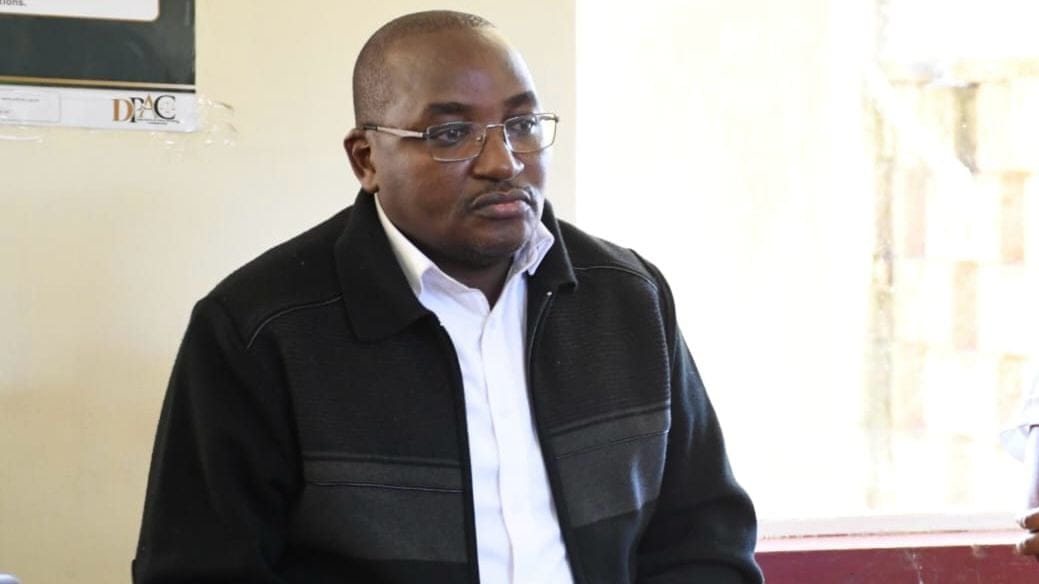
The Juja MP George Koimburi’s Kikuyu motion has Kenyans split right down the middle just hours after he announced it in a press briefing today. Juja Member of Parliament George Koimburi stood in front of reporters and made it plain: he plans to table a motion in the National Assembly that would set aside two hours every week for MPs to speak in Kikuyu during debates.
He didn’t wrap it in fancy words. His point was simple and direct. This change, he said, would let everyone see that the Kikuyu community gets proper representation in the house and that they deserve respect across the country.
He went a step further. “I want to speak Kikuyu during the session so that my community can see they have been represented well and they can also be respected,” Koimburi explained. He added that plenty of people outside the community already understand the language anyway, so it wouldn’t cause any real problem inside or outside parliament.
The timing felt pointed too. The announcement came right after a group of Kikuyu men, women and children walked free from custody following what they described as a cultural worship gathering.
Right now parliament runs on English and Kiswahili, with Kenyan Sign Language thrown in when needed. That’s straight from the constitution. MPs already mix the two languages all the time, but official records and final decisions lean on English.
Koimburi’s idea would carve out a special slot each week just for Kikuyu. He insists it’s not about pushing one tribe ahead of others. It’s about making sure the people back home in Central Kenya can follow what their leaders say without struggling.
Not everyone is buying that line. Across social media and comment sections, the pushback started almost immediately. Some Kenyans asked why parliament should spend two full hours on one local language when floods are wiping out farms, electricity bills keep climbing and roads stay broken.
One comment put it bluntly: “After talking for two hours, what will change? The prices at the pump or the jobs for our young people?” Others called it a distraction at the wrong time, especially when the country keeps hearing messages about pulling together instead of highlighting tribal lines.
A few voices did stand up for the idea. They argue that if an MP talks in the tongue his voters know best, those voters feel closer to the process. They can watch proceedings on TV and actually understand without waiting for translation.
Kikuyu is spoken by a big chunk of the population, so the reach could be wider than some expect. Still, the bigger question hangs in the air: if one community gets its slot, won’t MPs from the Luo, Luhya, Kamba or Kalenjin sides line up next asking for the same treatment? That could turn one motion into a long line of requests.
Koimburi represents Juja, an area full of hard-working families who expect their leader to fight for them. He has never been shy about speaking his mind on community matters before.
This time he framed the whole thing around respect and making sure the largest ethnic group in Kenya feels seen inside the august house. He even told reporters it’s no crime to use one’s mother tongue anywhere, including parliament.
The proposal now sits with the usual parliamentary process. Motions take time to schedule, and changing how the house talks could need backing from more than one side of the aisle.
House rules are strict for a reason – they keep debates clear and laws solid. Some senior lawmakers might see the proposal as opening a door that’s better left closed. Others could view it as a small step toward letting more voices through.
On the streets and online, the chatter refuses to die down. Clips from the press briefing are flying around on WhatsApp groups and TikTok. Some people laugh and call it another political headline grab.
Others sit down with their morning tea and seriously weigh whether it helps or hurts the bigger fight against tribal thinking. Either way, it has pulled everyday Kenyans into a conversation they rarely have about the languages spoken in the very place that makes laws for all of them.
For now, Koimburi says he will push ahead and table the motion when the time comes. He wants his people to look at parliament and know their language has space there.
Whether it passes or gets shot down, the mere announcement has already done something. It has forced a fresh look at how representation really works – not just in numbers but in words that ordinary citizens can hear and feel.
The next few days will tell if other MPs jump in to support or line up to oppose. In Kenyan politics, one bold idea can either fizzle out quietly or grow into something much bigger. This Juja MP George Koimburi Kikuyu motion has already started that journey, and plenty of eyes are watching to see where it lands.