

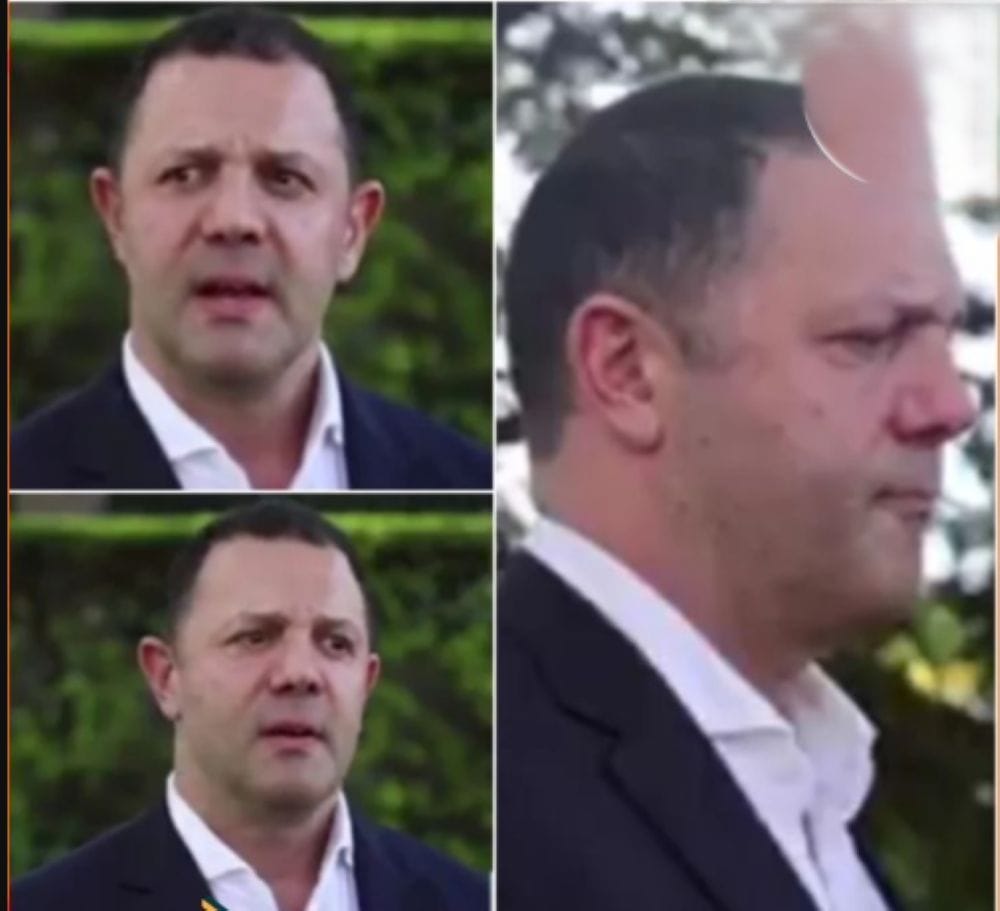
The Australian investor gold scam has left Andrew Adel Gaballa stranded in Nairobi after he lost more than KSh 77 million to a slick group of fraudsters. The businessman from Australia poured his money into what he thought was a legitimate deal for 600 kilograms of gold headed to Dubai, only to discover the entire operation was built on lies and fake paperwork.
The trouble started when Gaballa connected with people who claimed to be lawyers and brokers in the gold trade. They showed him documents that looked official and promised huge returns once the shipment cleared customs and reached the buyer in the Middle East.
He trusted the smooth talk and the professional-looking contracts. Step by step he wired the funds believing he was securing a real stake in the cargo. What he did not know was that the gold bars were fake, the insurance papers were forged and the storage facilities listed in the deal did not even exist. The syndicate had everything planned down to the last detail.
Once the money changed hands, the scammers vanished. Gaballa tried to reach them, but the phone numbers went dead, and the offices they claimed to operate from were empty shells. He soon realised he had been played.
With his savings wiped out, he found himself stuck in a foreign city far from home with no clear way to recover what he lost. The Australian turned to the Directorate of Criminal Investigations and filed a detailed complaint.
He handed over every email contract and receipt he had collected during the deal. Investigators are now looking into the network, but these kinds of cases can take months or even years to untangle.
This latest Australian investor gold scam fits a pattern that has become all too familiar in Nairobi. Fraudsters here have turned gold deals into a profitable trap for foreigners who dream of quick riches in the precious metals market.
They use forged certificates, fake storage receipts and convincing middlemen to make everything seem legitimate. The victims often wire large sums from overseas accounts because the story sounds solid and the potential profit looks too good to pass up. When the truth surfaces, the money is already gone, and the scammers have moved on to the next target.
Gaballa’s case stands out because of the sheer size of the loss and the fact that he is now physically stranded while the investigation drags on. He has spoken to local reporters about the sleepless nights and the constant worry about how he will explain the situation to his family back home.
Friends who know him say he is a careful businessman who rarely takes big risks, yet this deal seemed different because of the paperwork and the personal assurances he received. Now he spends his days chasing leads at the DCI offices and trying to find any trace of the people who took his money.
Kenyan authorities have warned foreigners many times about gold scams, but the warnings do not always reach people in time. The Directorate of Criminal Investigations has opened several similar files in recent months, and they say the syndicates are getting smarter with each new operation.
They used real-looking websites, temporary offices and even hired actors to make the deals feel genuine. In Gaballa’s case the scammers went as far as showing him photos of the supposed gold bars and introducing him to fake customs officials. The level of preparation shows how organised these groups have become.
The impact stretches beyond one man’s bank account. When stories like this spread, they hurt Kenya’s image as a place for honest business. Investors who might have brought money into the country now think twice, and that slows down legitimate trade and job creation.
Local business people in Nairobi who work in real gold and mineral sectors say the scams make their jobs harder because every new client arrives with extra suspicion. They have to prove they are not part of the same network even when they run clean operations.
For Gaballa the days in Nairobi feel long and uncertain. He checks his phone constantly, hoping for an update from the investigators, but so far the leads have gone cold. He has reached out to the Australian embassy for help, and they are assisting with legal advice and support while he waits.
In the meantime, he has become a reluctant voice for others who might be tempted by similar offers. He tells anyone who will listen to double-check every document, verify every contact and never send money until they see the goods with their own eyes.
The Australian investor gold scam that trapped Gaballa has become a cautionary tale that travels fast through expat groups and online forums. It reminds everyone that a promise of fast money can hide a carefully built trap.