
British soldiers’ DNA: Nanyuki fathers’ BBC probe exposed has left many in Kenya and Britain talking after the investigation laid bare a decades-long pattern of children born near the main UK army training base. The report shows how commercial DNA testing helped trace British troops as the fathers of nearly 100 documented cases in the area around Nanyuki, and some of those links have already led to court action in London.
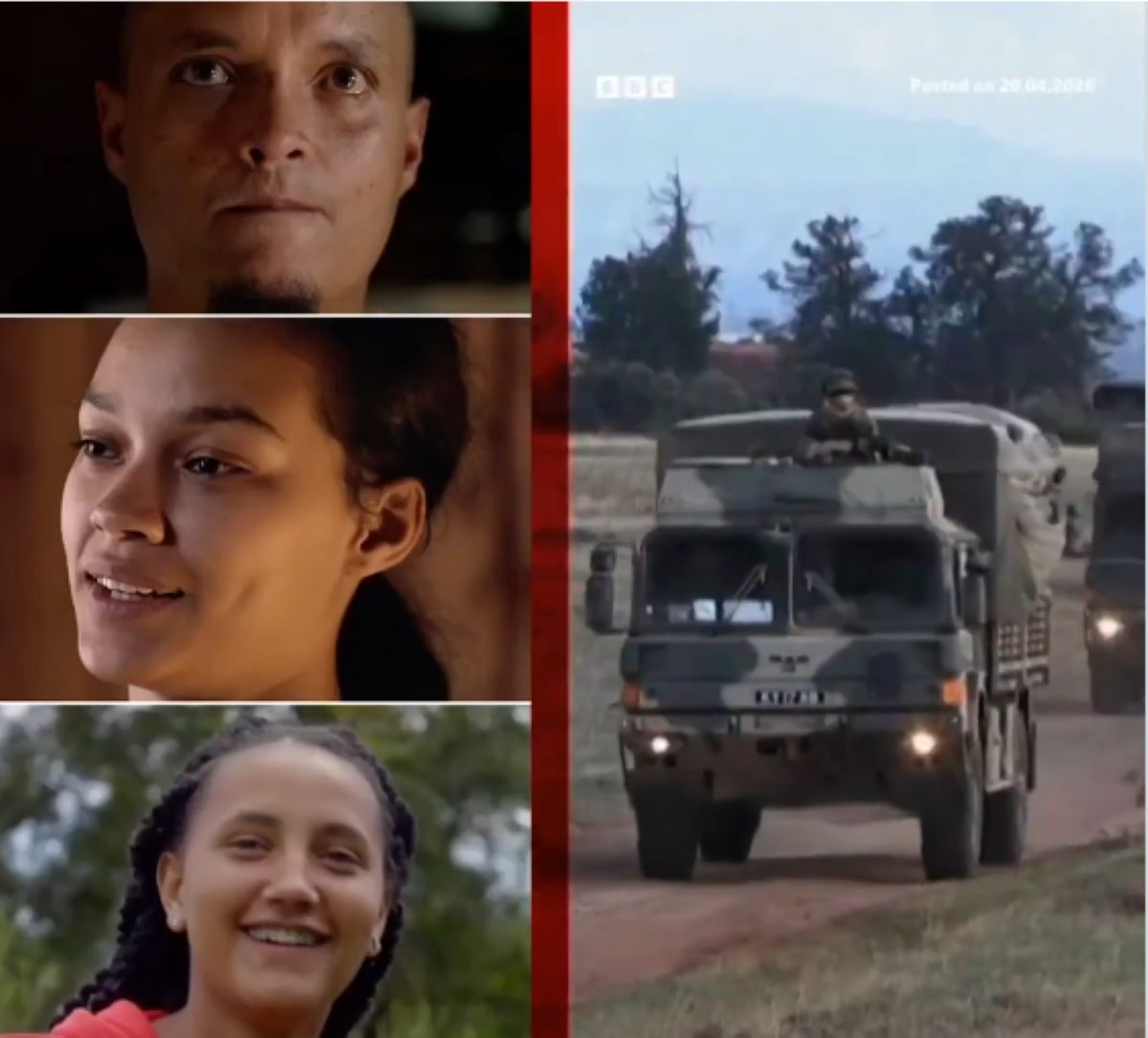
The British Army Training Unit Kenya, known as BATUK, sits just outside the town of Nanyuki, about a three-hour drive north of Nairobi. It has operated since the 1960s, and thousands of British soldiers rotate through every year for jungle training and exercises.
Local women formed relationships with some of the men, and children came along. Many of those fathers returned home to the UK without staying in touch.
Some mothers told their kids the soldier dad had died to spare them the pain of knowing he simply left. Now grown children, some as old as seventy and others still young, are searching for answers about who they are and where they came from.
The BBC team worked with a UK solicitor named James Netto and a Kenyan lawyer, Kelvin Kubai, plus a genetics professor from London. They collected DNA samples from people in Nanyuki who suspected their fathers had served at the base.
Those samples went into commercial ancestry websites that hold millions of profiles. Matches started appearing, and distant relatives in Britain helped narrow down the soldiers.
In one case a match came through a cousin on the father’s side. The process is new for this kind of situation, and it has already confirmed paternity in a number of instances.
Twelve cases have gone through the UK Family Court, with judges ruling in favour of the Kenyan children. That opens the door for British citizenship registration and child support payments, especially for those still under eighteen or in school.
One young woman learned her father was alive in the UK after years of believing he had passed away. Another mother described how the soldier seemed excited about the pregnancy at first then stopped all contact once he went back home.
A nine-year-old boy now has proof his dad worked as a contractor at the base and may receive financial help. These stories show the human side of the findings.
Children grew up facing bullying for looking different or questions about their missing parent. Some mothers struggled alone with poverty and family pressure after the soldiers left. The investigation highlights how the pattern repeated across generations, with some families carrying the same questions for decades.
BATUK has faced criticism before over how soldiers behave off duty. A recent Kenyan parliamentary report pointed to issues including alleged sexual abuse and neglect of local families.
The UK Ministry of Defence says it takes such matters seriously and expects personnel to meet their responsibilities. It also notes that relationships between soldiers and local people are private, but support should be provided where children result. Kenyan lawyers involved in the DNA project argue the system needs clearer rules so fathers cannot simply disappear after training ends.
The news has stirred strong feelings in Nanyuki, where the base brings jobs and economic activity but also leaves behind these unresolved family ties. Local leaders and residents say the children deserve recognition and help.
Some call for better support from both governments, while others worry the stories could affect the long-standing military agreement between Kenya and Britain. On social media Kenyans share mixed views, with many expressing sympathy for the mothers and children and a few defending the soldiers who may have faced their own challenges after deployment.
For the children the DNA matches bring a mix of relief and fresh pain. They finally know their heritage, yet some fathers still refuse contact even after the court rulings.
One daughter who attempted suicide because of the loneliness from not knowing her dad now receives support from the man confirmed as her father. He admits he cannot make up for lost time but wants to do what he can moving forward. These personal accounts make the investigation more than numbers. They show real lives shaped by decisions made years ago during short training stints.
The project continues with more DNA kits collected and more cases moving through the courts. Lawyers on the ground in Kenya work to connect families while the UK side handles the legal side. It marks one of the first times commercial DNA databases have been used at this scale for paternity claims involving overseas military bases. The approach could set a model for similar situations elsewhere.
As the story spreads, families near Nanyuki wait to see if more fathers will be identified and held accountable. The BBC probe has opened old wounds but also given hope to those who spent years wondering. British soldiers’ DNA, Nanyuki fathers’ cases remind everyone that actions during training missions carry consequences that last long after the soldiers pack up and fly home.