
Passengers Left Cruise Ship During Hantavirus Outbreak Without Tracing

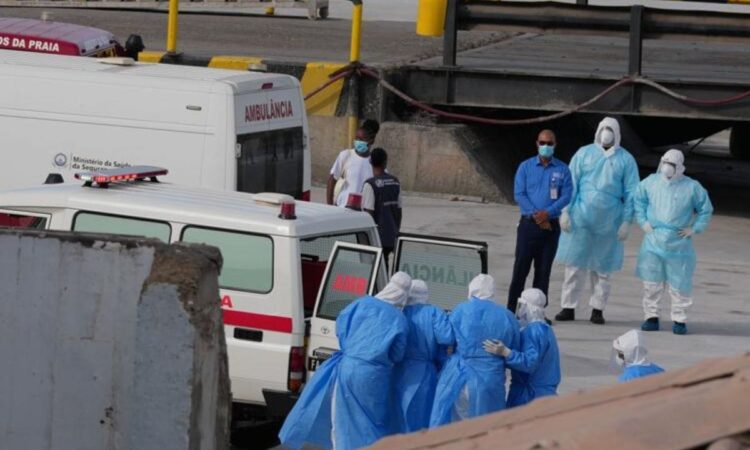
More than two dozen passengers left a cruise ship hit by a deadly hantavirus outbreak on April 24 without proper contact tracing. This happened nearly two weeks after the first passenger died on board, raising worries about possible spread as people returned home to different countries.
The Dutch-based operator Oceanwide Expeditions and Dutch officials confirmed the details on Thursday. Around 29 to 40 passengers disembarked at the remote South Atlantic island of St Helena. Among them was the wife of a Dutch man who had died on the ship on April 11.
She flew to South Africa the next day and later died there as well. The ship, MV Hondius, had been sailing with about 147 people on board after departing from Argentina.
Health experts say the risk to the general public remains low. Hantavirus, particularly the Andes strain suspected here, usually spreads through contact with rodent droppings.
Human-to-human transmission is rare but possible with this specific South American type. So far, three passengers have died, and several others have fallen ill. At least five cases have been confirmed through testing.
The first confirmed case on the ship came much later, on May 2, when a British man was evacuated to South Africa. By then, many passengers had already left at earlier stops.
A man in Switzerland who disembarked at St Helena later tested positive. Authorities in multiple countries, including the UK, Netherlands, and Switzerland, are now working to trace contacts of those who left the vessel. Some passengers have returned to the United States, with health officials monitoring them.
The ship continues its journey toward Spain’s Canary Islands with over 140 people still on board. Three more sick passengers, including the ship’s doctor, were evacuated near Cape Verde for treatment in Europe. The body of a German woman who died on May 2 remains on the vessel.
World Health Organization Director-General Tedros Adhanom Ghebreyesus is scheduled to hold a media briefing to update the public on the situation. The briefing comes as international health teams try to understand how the virus got onto the ship.
Investigations point toward possible exposure in Argentina or other parts of South America before boarding. The Andes virus has caused concern in the past because of its ability to spread between people in close contact.
Cruise passengers came from at least 12 different nationalities. This makes the contact tracing effort complex, as health authorities across continents coordinate to locate everyone. Many who left early may have flown home on commercial flights, adding another layer of monitoring for airlines and airports.
For families and friends of those affected, the news has brought anxiety and grief. The remote location of St Helena made quick medical response difficult, and the delayed recognition of the outbreak allowed time for people to disperse. Ship operator Oceanwide Expeditions says it is now working to reach all former passengers and provide support.
As more information comes from the WHO briefing and ongoing investigations, families of passengers and the wider public will look for reassurance. The ship operator has expressed regret over the situation and promised full cooperation with health authorities.
For now, the focus stays on supporting the sick, tracing contacts, and preventing any further spread while learning lessons from how the response unfolded. Many hope the situation stays contained and that those still on the ship reach safety soon without additional cases.
Related Posts

IEBC Announces Official Date for 2027 General Election And Campaigns
The electoral body just fixed the polling day for the next nationwide vote on Tuesday, August 10, 2027. Officials revealed the timeline today in Nairobi…

Ruto Fires Back at Gideon Moi Accusing Him of SG Media Headlines…
President William Ruto hit out sharply at Gideon Moi and Standard Media over what he calls daily extortion through headlines. The strong social media post…

Nine Students Face Murder Charges After Deadly Utumishi Girls Blaze
Nine students now face murder charges after a deadly school blaze tore through a dormitory in Nakuru County and claimed 16 young lives on May…

Kenya Begins Compensation for Protest Victims, Dead To Receive Sh 3 Million
Kenyan authorities moved quickly to start payments for protest victims as families grieve losses from years of unrest. The government compensation reaches deep into communities…