

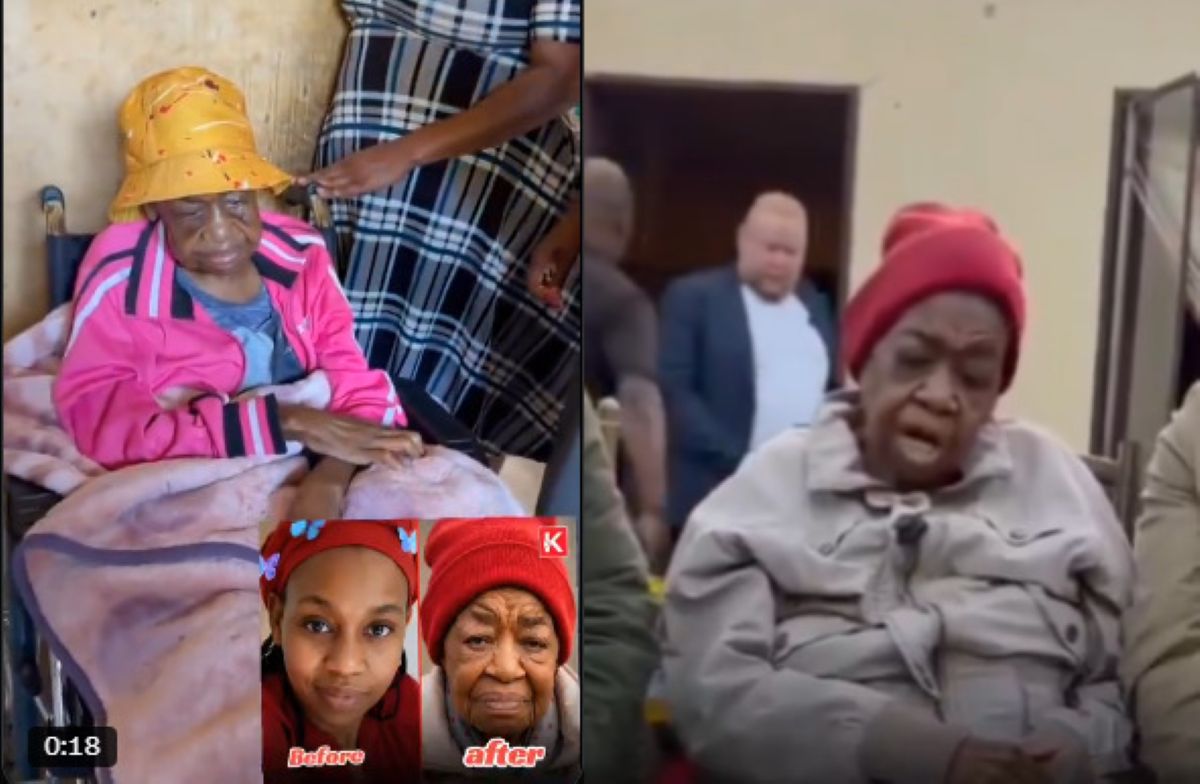
(Agness) Sinenhlanhla Khoza, a 31-year-old mother from Mtubatuba in KwaZulu-Natal, has drawn national attention after her appearance changed dramatically over the past few years, making her look much older. She first noticed symptoms around age 27 following a relationship with a foreign man, and since then she has visited hospitals and traditional healers, including Indalo Enhle Herbs, without finding lasting answers, leaving her family desperate for help amid swirling online speculation.
The story began to gain traction in mid-May 2026, when videos started circulating from the north coast area. No one who saw her could hardly believe she was still in her late thirties. Her skin had thinned and wrinkled, her posture had changed, and simple things like walking had become difficult. Relatives describe how the changes started slowly at first, then picked up pace, making daily life a constant struggle.
Her Account of How Symptoms Began
In conversations shared widely, Sinenhlanhla spoke openly about the timeline. She recalled meeting the man while working and how things developed between them. After their time together, she started feeling off. Small patches appeared on her face, then came vomiting spells and a tiredness that would not lift no matter how much she rested.
“I started getting sick in 2022,” she explained in one detailed talk. “I live in Mtuba in the Dukuza Village ward. Please help.” She described going from one place to another, hoping someone could explain what was happening to her body. Doctors reportedly mentioned possible gene issues, but clear answers and treatment have been hard to come by in her area.
She has a young child who now sees her mother struggle with basic movements. Relatives say Sinenhlanhla used to carry herself with energy typical of her age. Now her steps are careful and supported. The contrast hits hard when photos from before circulate alongside recent images.
Medical Views Point to Rare Genetic Condition
Health experts looking at similar cases suggest this matches Werner syndrome, sometimes called ‘adult-onset progeria’. It is an extremely rare genetic disorder where the body ages at an accelerated pace, often starting in the twenties. Unlike stories that blame external causes, doctors stress it comes from mutations in a gene responsible for repairing DNA. It is not passed through relationships or any kind of contact.
Sinenhlanhla tried various routes for relief. She went to regular hospitals and also sought help at places like Indalo Enhle Herbs and Beyond, run by Fajar T. Khoza, known for natural remedies and wellness support. None brought the turnaround her family hoped for. Some in the community whispered about curses or spiritual matters, a common reaction when rare illnesses appear suddenly in tight-knit areas.
Yet medical voices push back firmly. “Werner Syndrome is not contagious. It is not caused by spirituality,” one report noted. The condition can bring early greying, skin tightening, fatigue, vision trouble, heart risks, and more.
There is no cure, so treatment usually involves managing symptoms like diabetes or bone weakness.
Her mother Thembi Nhleko has been there for her during hospital visits and sharing publicly. The family are tired from looking but still determined to continue. In one segment of one interview, the toll of their journey was clear as they described multiple dead ends with local care.
Community Reactions and Calls for Support
Social media lit up with a mix of sympathy, shock, and wild theories. Some users sent prayers and offers of help. Others shared old tales linking sudden changes to personal choices. The divide showed how little awareness exists around rare diseases in many parts of South Africa.
Mtubatuba sits along the north coast, a place where fishing, small businesses, and family ties shape everyday routines. Seeing a young mother in this state stirred conversations in markets and church groups. A few local organisations have started asking questions about better access to specialist testing for conditions like this.
Sinenhlanhla herself has used the attention to appeal for genuine medical support. She wants doctors who understand these rare cases to step in before things worsen.
Her story echoes that of Ontlametse Phalatse, the young Pretoria girl who lived with childhood progeria and became an advocate before passing away years ago. Those cases remind people that behind the headlines are real families carrying heavy loads.
As May draws to a close, her situation continues to spark debate online and in KZN. Some urge genetic screening and possible links to bigger health centres in Durban or Johannesburg. Others simply hope the spotlight brings practical help rather than more rumours.