
Shiquo Hi-Style Nike Raid Claims Spark Clout as ACA Denies
 By E. Njeri
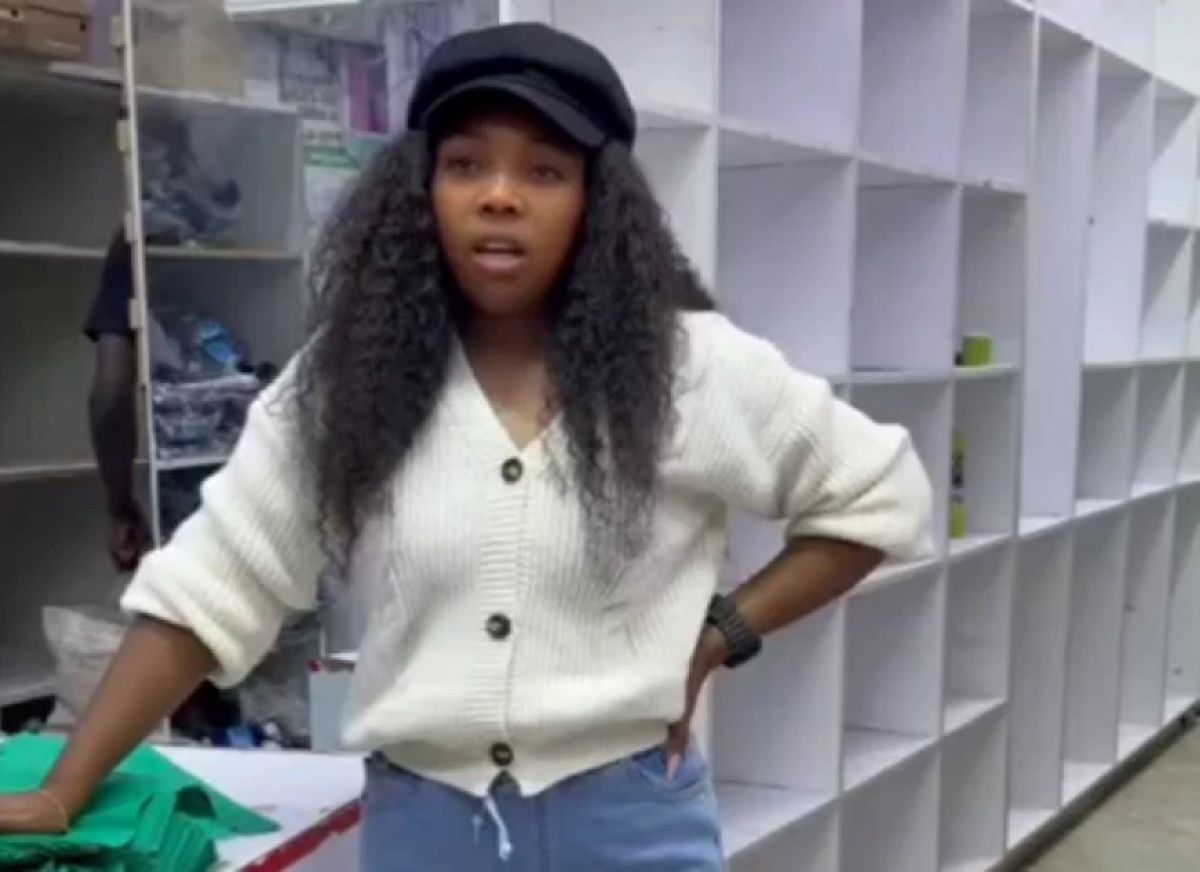
Shiquo HiiStyle drew national eyes after Nike raid claims hit her Nairobi store hard this week. The popular content creator saw her RNG Plaza business emptied out on June 9, according to her posts. Authorities now push back hard on those allegations while questions swirl about what really went down in the capital city.
She built a big following by offering stylish sneakers at prices everyday Kenyans could actually afford. Shoppers flocked to her spot in the busy central business district. They grabbed pairs that looked premium yet cost a fraction of store rates. Tension built fast once global brands expanded their footprint locally.
What really happened at the Shiquo HiiStyle store?
No raid took place at the business. ACA Director of Enforcement Osman Yusuf stated this clearly in recent interviews. He explained the authority carried out no operation there. Intelligence showed she simply moved locations and staged empty shelves to create fresh content.
Yusuf spoke directly about the swirling stories. “There is no operation that was conducted by ACA at that shop. That is a pure lie.” He noted awareness of separate Interpol-linked efforts against fakes across Kenya.
Yet her RNG Plaza outlet never appeared on any target list. Officials stressed they act only on solid intelligence, rights holder complaints, and proper surveillance.
Shiquo told her audience a different story at first. She shared videos of bare shelves and voiced deep frustration. The young entrepreneur described officers arriving with Nike representatives.
They hauled away stock she valued above SH15 million. Many viewers reacted with shock and support. Some called it selective enforcement against small traders.
Why do Nike sneakers sell for so little in Nairobi?
Prices told part of the tale. Shiquo moved sneakers for around 1,500 shillings. Genuine pairs from the new official outlets run close to SH19,000. That gap reaches nearly 90 per cent. Similar goods fill many shops throughout the city. Her open TikTok videos, however, put a spotlight on the operation.
Kenya has seen this pattern before. Affordable imports pour in from various sources. They meet demand from families who cannot stretch budgets for full retail prices. Nike opened its first East African store at Sarit Centre recently. That timing fuelled extra speculation about pressure on informal sellers.
Public chatter exploded online. Some defended the crackdown. Others saw unfair targeting. Why hit one visible woman, they asked, while bigger importers continue unchecked? Conversations turned heated in comment sections and group discussions.
Shiquo showed resilience quickly. Reports say she restocked fast and kept selling. In one update she told customers, “We stay strong; we move on.” Her energy stayed high despite the drama. Followers praised her hustle and ability to bounce back within hours.
The ACA repeated its broader mission. They plan more actions this year. Destruction of confirmed counterfeit items follows legal steps.
Yet this particular case leaves many scratching their heads. Empty shelves sparked raid rumours that spread like wildfire before official clarification arrived.
Local business owners watched closely. Many operate in the same CBD streets near RNG Plaza. They wonder if similar scrutiny could land on them next.
Brands push to control their image. Authorities sit in the middle trying to balance both sides.
This episode highlights deeper issues in Kenyan trade. Counterfeit goods flood markets for years. They create jobs for importers, distributors, and small sellers.
At the same time they undercut official revenues and raise quality concerns. Nike’s recent entry adds fresh urgency to enforcement talks.