
Faith Odhiambo Resigns from Ruto Compensation Panel


In a move that’s sent ripples through Kenya’s legal and political circles, Faith Odhiambo resigns from her role as vice chairperson of President William Ruto’s Panel of Experts on Compensation of Victims of Demonstrations and Public Protests.
The Law Society of Kenya (LSK) president cited mounting public pressure and stalled progress as key factors in her decision, announced just hours ago. Odhiambo’s resignation comes amid weeks of backlash from activists and fellow lawyers who viewed her participation in the state-backed initiative as a conflict of interest.
Appointed in late August, the 14-member panel, chaired by constitutional law expert Prof. Makau Mutua, was meant to overhaul Kenya’s victim reparations framework, addressing police brutality during anti-government protests.
But a High Court petition by lawyer Levi Munyeri threw a wrench in its operations, issuing conservatory orders that suspended the panel until at least October 21.
The panel’s 120-day mandate was already on thin ice, with victims growing impatient over delayed hearings. Odhiambo, known for her fierce advocacy on human rights, stepped in hoping to push reforms.
Yet, as she explained in a detailed statement, the judicial halt made key milestones, like legislative proposals for better victim support, unattainable before the deadline.
“Earlier today, I tendered my resignation from the position of Vice Chairperson of the Compensation Panel,” Odhiambo wrote on social media, her words carrying the weight of someone torn between duty and principle.
She added, “My commitment to agitate for the rights of victims remains impregnable; I will continue to take up and prosecute matters on behalf of victims of police excesses during demonstrations and work towards safeguarding holistic justice for victims.”
This isn’t just a personal pivot; it’s a blow to Ruto’s efforts to soothe tensions from the 2023 cost-of-living protests, where dozens lost lives to security forces. Families in places like Kisumu still grapple with unhealed wounds, turning to LSK for legal aid.
Odhiambo’s exit shows the deep distrust between civil society and government bodies, especially when courts get involved. Reactions poured in fast on X, formerly Twitter, where users hailed it as a win for accountability. One post from media outlet THEE ALFA HOUSE called it a “big blow to President Ruto”, noting the panel’s unfeasibility.
Netizens had mixed opinions. Cornelius K. Ronoh simply stated, “BREAKING: LSK President Faith Odhiambo resigns from the protest victims compensation panel. The pressure increases!”
Even Munyeri, the petitioner, chimed in approvingly: “Faith Odhiambo, you have done the right thing. Better late than never. Now, let us turn our focus to the rest of the panel and ensure justice is delivered for our slain and injured patriots.”
For LSK, Odhiambo’s return to full-time leadership means ramped-up action. She pledged to rally justice stakeholders and human rights groups for urgent legislative fixes, targeting gaps that leave protesters shortchanged in compensation claims.
“LSK will forthwith engage all justice stakeholders and human rights institutions to formulate legislative proposals to reconcile the infirmities in our laws and institutions,” she affirmed.
Critics argue the panel was a PR stunt from the start, dodging real accountability for state violence. Protests last year, sparked by soaring prices and taxes, saw youth take to streets in Nairobi and beyond, facing tear gas, rubber bullets, and worse.
Reports tallied at least 60 deaths and hundreds injured, numbers that still haunt the national conscience. Odhiambo’s oath, she stressed, demands shielding LSK’s resilience from “any and all adversaries and detractors”.
Related Posts
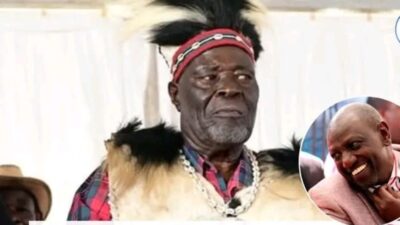
Luo Leader Warns of Curse for Non-Ruto Votes in 2027
Randa the Luo elders leader spoke out in Kenya recently and told community members they must back President William Ruto for the Ruto 2027 race…

Crowds Chase Kimilili MP Barasa After Cash Runs Out
Angry crowds chased Kimilili MP Didmus Barasa through the streets of Kimilili on July 30 after cash ran out at his public event in Bungoma…
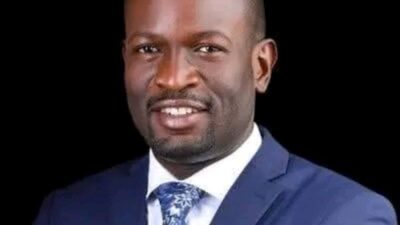
Edwin Sifuna Climbs Fast in 2027 Kenya Election Poll – TIFA Polls
Nairobi Senator Edwin Sifuna climbs fast in the 2027 Kenya election poll as opposition dynamics shift sharply. Voters now give him 15 percent support for…
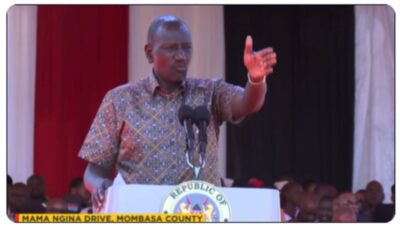
Ruto Clashes With Sifuna Over Rural Affordable Housing Chickens.
President William Ruto traded sharp words with Nairobi Senator Edwin Sifuna over rural housing chickens’ plans during a fresh clash that spotlights deep divisions in…