
Kenya to Hire Sh100M transaction adviser on Kenya Pipeline Company Sale

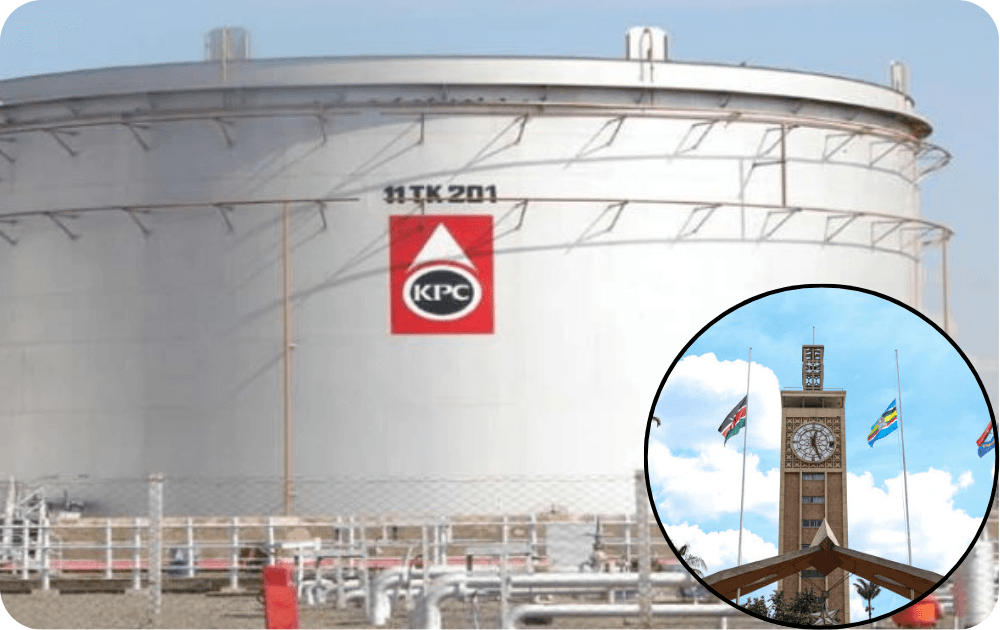
The Kenyan KPC sale adviser saga took a pricey turn today, with the government earmarking a cool Sh100 million to rope in experts for the high-stakes privatisation of Kenya Pipeline Company. As the Privatisation Commission begins the bidding process for this multidisciplinary team, critics are raising concerns about the high cost, particularly in light of the nation’s ongoing debt crisis.
Picture this: A state-owned behemoth that’s piped fuel across Kenya’s veins for decades is now on the chopping block to offload a 65 per cent stake via an initial public offering. The clock’s ticking toward a March 31, 2026 deadline; per Treasury blueprints, all to drum up roughly Sh100 billion in fresh cash.
But first, that Sh100 million splash on a transaction adviser – think financial wizards, legal eagles, and market mavens – to shepherd the deal without a hitch. “It’s competitive hiring, folks, not a blank cheque,” Privatisation Commission CEO Winnie Lichoro assured in a low-key briefing, her tone steady as she unveiled the expression of interest call.
The team’s gig? Valuing assets, scouting buyers, dodging regulatory snags, and ensuring the IPO doesn’t flop like a dud matatu in traffic. Bids close soon, with shortlists eyeing November rollout.
Yet, the maths are rubbing salt in old wounds. Kenya’s public debt balloons past Sh10 trillion, servicing it gobbles half the budget, and here we are, forking out Sh100 million just to sell off a pipeline giant born in the ’70s oil shocks.
“Why not trim the fat elsewhere? Advisors for advisors, it’s a consultant circus,” griped economist Aly-Khan Satchu on a morning radio slot, his voice laced with that trademark sarcasm.
The National Assembly’s Finance Committee gave the green light last week, but with strings: proceeds locked for settling KPC’s Sh10.7 billion liabilities, think pending bills and dodgy compensation claims from botched expansions.
MPs like Ndindi Nyoro, ever the fiscal hawk, hammered home a quirky caveat: post-sale, KPC is barred from jumping into fuel imports or retail—sticking to its knitting as a neutral hauler.
“We won’t let it morph into another OMC cartel,” Nyoro thundered, nodding to oil marketing companies that already squeeze margins for importers. The Kenya KPC sale adviser buzz ties into a bigger privatisation push, egged on by IMF chats for a fresh lending programme. Treasury’s PS Chris Nyaing’o has teased more state firm fire sales, think KenGen or even bits of Telkom, to plug fiscal holes.
But unions aren’t biting. The Kenya Petroleum Oil Workers Union fired off a missive today, vowing strikes if jobs vanish in the shuffle. “Sh100 million for suits while our members sweat for peanuts? No deal,” union boss Kimeu Athya bellowed at a picket outside KPC’s head office in Industrial Area. Investors, though? They’re sniffing opportunity.
Nairobi Securities Exchange CEO Geoffrey Odundo lit up at the prospect, calling it a “liquidity booster” for the bourse that’s limped on low listings. Early whispers peg KPC’s valuation at Sh150 billion-plus, factoring in its 4,800 km network snaking from Mombasa to Eldoret.
If the IPO pops, it could lure pension funds and diaspora dollars, but sceptics warn of a Mwananchi bailout if bids flop. As Nairobi’s skyline glints under the afternoon sun, this Sh100 million bet feels like a gambler’s all-in.
Will it unlock billions or just line pockets? For everyday Kenyans queuing at pumps, the real pipeline leak is trust, dripping away with every advisor invoice. Treasury vows transparency, but in a town where deals brew in smoke-filled rooms, that promise rings hollow. Stay tuned; March’s deadline looms like a fuel gauge on E.
Related Posts

Gachagua Draws Thousands During Narok East DCP Tour
Former Deputy President Rigathi Gachagua packed roads and grounds in Narok East on Monday as his Democracy for the Citizens Party push gathered force. Huge…
Ruto Urges Allies to Defend Record Against Opposition Fake News
President William Ruto pressed lawmakers, senators, governors, and cabinet secretaries from the UDA ODM broad-based government in Naivasha on Monday to fight back. He accused…

Police Arrest Fake Officer Over Bribes In Chepkumia, Nandi
Police officers in Nandi County moved quickly against a man at Chepkumia who posed as one of their own. The suspect carried a full set…
Oburu Odinga Stops Speech Eyes Failing at Naivasha UDA-ODM Retreat
ODM leader Oburu Odinga paused his prepared address halfway through the Broad-Based Government meeting in Naivasha on 10 August 2026. He informed the room that…