
Madagascar Gendarmerie Mutiny Escalates, officers seize control

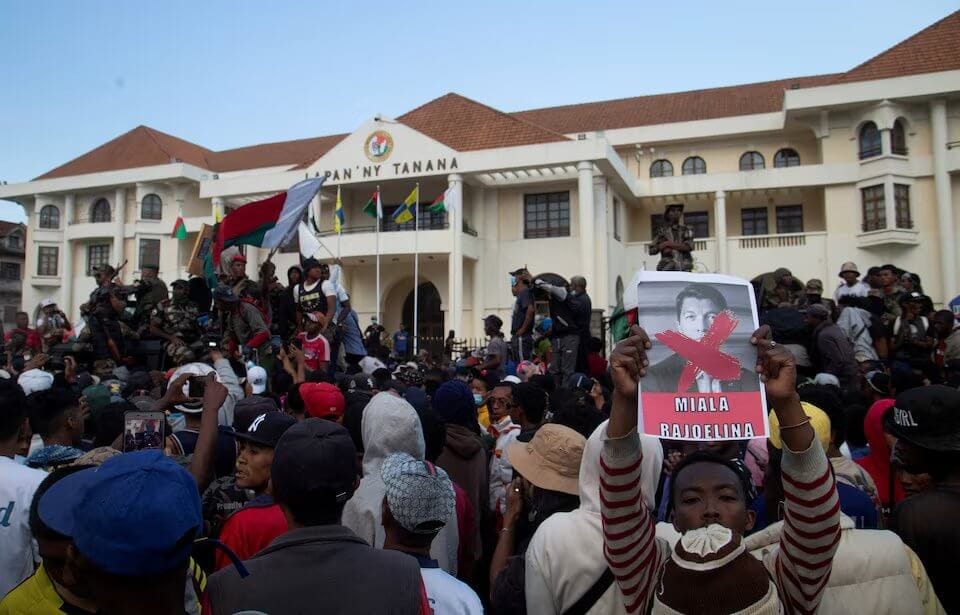
The Madagascar gendarmerie mutiny escalated into full-blown chaos on Monday, as rogue security forces loyal to youth protesters stormed the paramilitary headquarters and ousted the top brass in a brazen power play that’s left President Andry Rajoelina’s regime teetering on the brink.
Eyewitnesses described a tense standoff in the capital’s fortified compound, where mutineers—backed by the elite CAPSAT unit—declared allegiance to the streets, installing General Nonos Mbina Mamelison as the new chief in a move that’s rippled fear across the Indian Ocean island.
The dramatic takeover unfolded around midday, mere hours after Rajoelina’s Sunday evening broadcast where he branded the unrest an “illegal and forceful power grab” by shadowy elements within the military.
Senior officials, including Defence Ministry undersecretaries, stood by helplessly as heavily armed gendarmes, some waving protest flags, paraded through the gates chanting slogans from the ongoing demonstrations.
“This is an exceptional situation demanding exceptional measures,” Mamelison boomed from a makeshift podium, flanked by stone-faced officers, vowing that “all operational commands will now flow from this office to protect the people’s will.”
The ousted chief, General Jean Herbert Rakotomalala, a Rajoelina loyalist since the 2018 election, was reportedly whisked away under guard, his fate unclear amid swirling rumours of house arrest.
This mutiny caps weeks of simmering fury that boiled over on September 25, when student-led marches against crippling utility hikes and chronic blackouts morphed into a nationwide cry for Rajoelina’s ouster.
The youth, Madagascar’s restless Gen Z demographic making up 60% of the 30 million population, have paralysed Antananarivo’s boulevards with barricades of burning tyres and smartphone livestreams, demanding an end to what they call a “kleptocratic dynasty” rooted in Rajoelina’s 2009 coup ascent.
CAPSAT, the shadowy special forces squad that engineered Rajoelina’s rise by toppling Marc Ravalomanana back then, flipped the script over the weekend with a viral manifesto urging rank-and-file troops to “refuse orders to fire on civilians” and rally behind protesters.
By Sunday, the unit’s commander, former military academy head General Demosthene Pikulas, proclaimed coordination over all branches, a declaration that’s fragmented the once-unified armed forces.
Rajoelina, 50, whose flashy billboards still plaster the capital touting infrastructure dreams, fired his entire cabinet—including Prime Minister Christian Ntsay—on September 29 in a desperate bid to quell the storm.
But the gesture rang hollow as shortages of rice, fuel, and electricity—exacerbated by cyclone scars and global shipping snarls—fuelled the blaze. Now, with his whereabouts a mystery (rumours swirl of him hunkered in a coastal palace), the president is slated for a prime-time address tonight, where insiders predict vows of crackdowns or olive branches to wavering generals.
The Madagascar gendarmerie mutiny isn’t just barracks drama; it’s a powder keg in Africa’s most coup-prone corner, where the military has toppled leaders seven times since independence in 1960. Analysts like those at the International Crisis Group warn of “irreversible fragmentation” if Pikulas’s faction gains traction, potentially splintering the 20,000-strong gendarmerie—the backbone of rural policing and border control.
French and South African envoys have touched down for backchannel talks, while the African Union mulls sanctions if violence erupts. Protesters, waving placards of “No More Dynasties”, insist on peaceful transition, but isolated clashes have already claimed three lives, per human rights monitors.
As night falls over Antananarivo’s jacaranda-lined streets, the air hums with uncertainty. Will Rajoelina’s words rally the faithful or ignite civil war? For this vanilla-scented isle, long starved of stability, the mutiny’s echoes could redefine a generation—or bury one in the rubble.
Related Posts
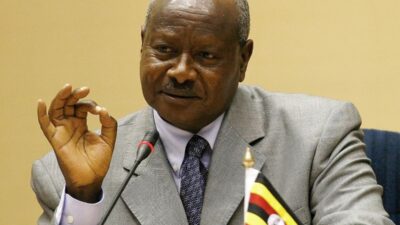
President Museveni Calls Sex Denial In Marriage Jailable Offense
Uganda President Yoweri Museveni stirred fresh controversy when he declared denying your partner sex a big offence that could land people in jail. The veteran…
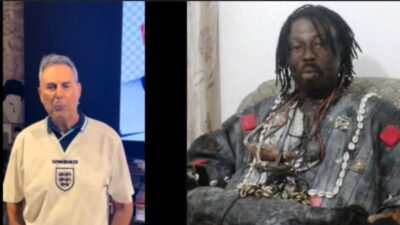
Uri Geller Cancels Witch Doctor Nana Kwaku Curse on Harry Kane
Uri Geller stepped in to cancel the witch doctor’s curse on Harry Kane right before England faced Ghana in the World Cup. The Israeli-British illusionist…
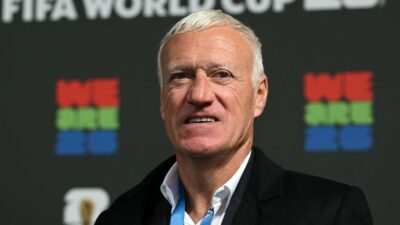
Didier Deschamps Mourns Mother’s Death Ahead of Norway Game
France national team coach Didier Deschamps faces sudden heartbreak as news of his mother’s death spreads through the football world. The long-time leader will fly…
JD Vance Delivers Blunt Warning to Netanyahu Government
Vice President JD Vance issued a fierce warning to Benjamin Netanyahu’s cabinet on Thursday against undermining their crucial American partnership over President Donald Trump’s new…