
Ruto’s State House Procurement Trillion Error Exposed

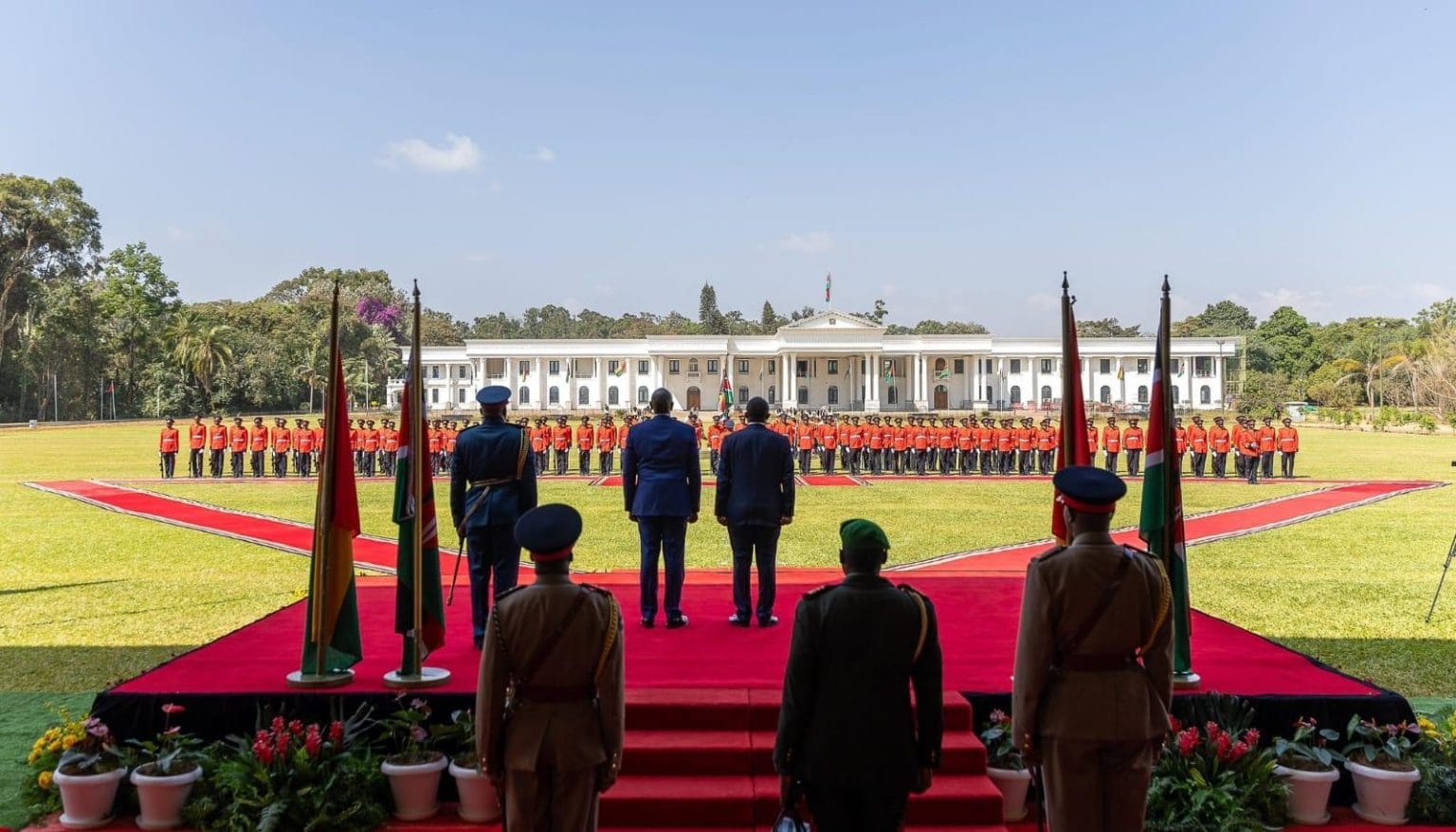
A damning new report has spotlighted a glaring State House procurement error, where officials mistakenly logged a procurement plan figure exceeding 50 times Kenya’s entire GDP, a whopping KSh 740 trillion, while the office’s actual annual budget sits at a modest KSh 5.6 billion, laying bare deep-seated glitches in the government’s fledgling e-procurement system that’s already mired in controversy.
The blunder, uncovered in a forensic audit by the Office of the Controller of Budget (CoB) and released Monday, traces back to a July upload on the Integrated Financial Management Information System (IFMIS) platform, where State House procurement staff transposed digits in a tender for office supplies and renovations.
Instead of KSh 5.6 billion, the entry ballooned to KSh 740 trillion, dwarfing Kenya’s 2024 GDP of KSh 14.8 trillion and triggering automated alerts that froze dozens of unrelated national tenders.
“This isn’t just a clerical slip; it’s a symptom of rushed digitisation without robust safeguards,” CoB Margaret Nyakang’o stated in her report, urging an immediate overhaul to prevent “catastrophic misallocations” in public spending.
The State House procurement error comes hot on the heels of the mandatory rollout of the e-Government Procurement (e-GP) system in May, championed by President William Ruto as a bulwark against the KSh 1 trillion annual leakage in corrupt deals.
Yet, the platform, meant to streamline bidding and curb ghost contracts, has stumbled from the gate, with governors decrying “flawed and disruptive” interfaces that delayed county salaries by weeks last month.
In State House’s case, the erroneous entry halted procurement for everything from ceremonial vehicles to digital upgrades, forcing manual workarounds that experts say expose taxpayers to fraud risks.
“Imagine if this hit a mega-project like the Standard Gauge Railway. billions could vanish into thin air,” warned procurement watchdog Integrity Kenya’s CEO, Samuel Kimeu, in an exclusive interview. Ruto’s administration, already under fire for fiscal missteps like the Sh73 billion phantom allocation in the 2025 Budget Policy Statement, has scrambled to contain the fallout.
Treasury PS Chris Kiptoo defended the system Tuesday, attributing the State House procurement error to “human oversight during data migration”, and pledging AI-driven validation tools by December.
But sceptics aren’t buying it. “This e-GP push feels like window dressing for deeper rot. Why no pilot testing before going live?” fumed Busia Senator Okiya Omtatah, who plans to petition the High Court for a suspension pending independent review.
The incident shows broader woes in Kenya’s public finance ecosystem, where procurement accounts for 40% of the national budget yet leaks an estimated 30% to graft, per Public Procurement Regulatory Authority figures.
With inflation at 5.1% and debt repayments gobbling 55% of revenues, such gaffes erode public trust just as Ruto courts donors for his Bottom-Up Agenda. Civil society groups like the Kenya Human Rights Commission are calling for whistleblower protections and mandatory audits for all uploads, warning that without fixes, the State House procurement error could snowball into a nationwide tender paralysis.
Related Posts

Crowds Chase Kimilili MP Barasa After Cash Runs Out
Angry crowds chased Kimilili MP Didmus Barasa through the streets of Kimilili on July 30 after cash ran out at his public event in Bungoma…
Edwin Sifuna Climbs Fast in 2027 Kenya Election Poll – TIFA Polls
Nairobi Senator Edwin Sifuna climbs fast in the 2027 Kenya election poll as opposition dynamics shift sharply. Voters now give him 15 percent support for…
Ruto Clashes With Sifuna Over Rural Affordable Housing Chickens.
President William Ruto traded sharp words with Nairobi Senator Edwin Sifuna over rural housing chickens’ plans during a fresh clash that spotlights deep divisions in…
Kiraitu Murungi Boldly Predicts Ruto 2027 Presidency ‘Mpende Msipende’
Veteran politician Kiraitu Murungi stood firm as he addressed growing frustration among Meru voters toward President Ruto. He declared that despite widespread anger and vows…