
Free Ride? Super Metro SuperGo Taxis Nairobi Launch Buzz

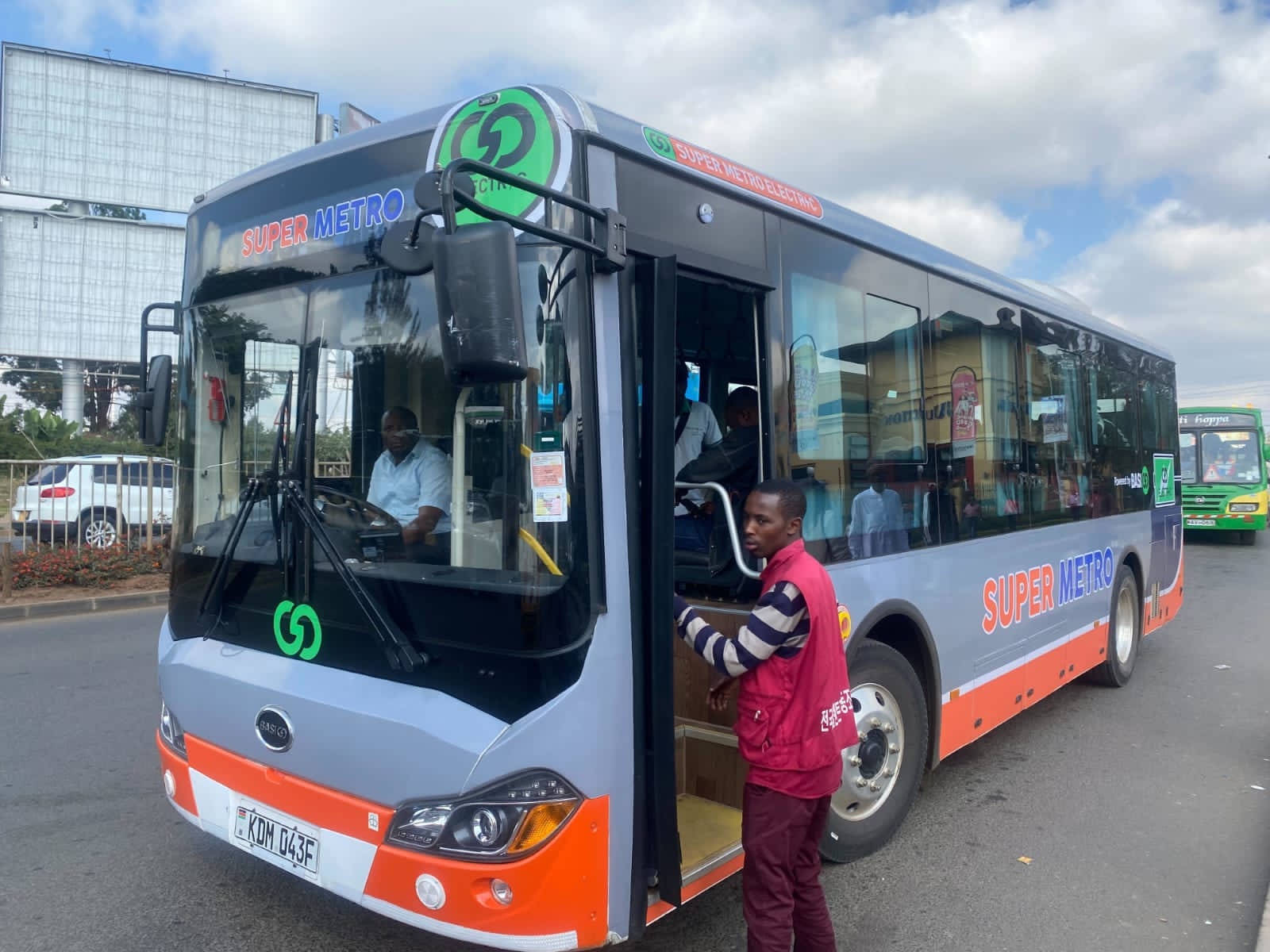
The SuperGo Taxis Nairobi launch has commuters buzzing with a mix of excitement and doubts, as veteran PSV operator Super Metro rolls out its app-based ride-hailing venture to challenge Bolt and Uber in the capital’s congested streets, though many voices urge a pivot to a SWVL-style bus model instead of diving into an already crowded taxi pool.
Announced over the weekend, the initiative promises tech-savvy, affordable rides starting on select routes like Ngong Road and Thika Highway, but critics warn the matatu giant might be biting off more than it can chew in a market where pricing pitfalls and driver woes could derail even the boldest entrant.
Super Metro, the blue-and-white darling fleet that’s ferried millions since the 1990s, dropped the bombshell on October 12 via social media teasers that lit up Instagram and X with over 5,000 shares in hours.
“We’re taking our reliability from buses to your doorstep,” the company’s statement read, highlighting features like real-time tracking, cashless payments via M-Pesa, and vetted drivers trained in defensive manoeuvres for Nairobi’s chaotic jams.
Rollout kicks off next week with 200 vehicles, mostly sedans and SUVs, targeting underserved spots like Eastlands and Kasarani, with plans to scale citywide by December.
Safety takes centre stage, with promises of dash cams and 24/7 support, echoing the trust Super Metro built on its orderly matatu routes that avoid the tout hassles plaguing rivals.
Yet, the SuperGo Taxis Nairobi launch isn’t without its naysayers. Online forums and matatu WhatsApp groups are abuzz with calls for a different play: resurrecting something akin to SWVL, the now-defunct Egyptian bus-hailing app that revolutionised corporate shuttles in Kenya before its 2022 acquisition.
“Why taxis when buses are their bread and butter? An SWVL model on Super Metro routes could slash commute costs without the app drama,” tweeted a commuter.
SWVL’s fixed-route, subscription-based vans once cut peak-hour fares by 40%, appealing to office workers tired of solo taxi splurges, a niche Super Metro’s existing fleet could dominate without building from scratch.
The taxi game, though, is no joyride. Insiders dish that low fares to lure riders, say, Sh200 for a 10 km CBD dash, often leave drivers fuming, with many ditching apps for direct cash gigs that skip commissions. Jack up prices to Sh300, and passengers bolt back to Uber’s premium perks or Bolt’s budget blitz, where loyalty points sweeten the deal.
Kenya’s ride-hailing scene, flooded since Little’s 2015 entry, now boasts over 50,000 drivers battling 20% unemployment and fuel hikes that ate into margins last quarter.
“Saturation means innovation or bust; SuperGo needs killer incentives like zero-commission trials or eco-friendly EVs to stand out,” advises transport analyst Miriam Wanjiku from the Kenya Institute for Public Policy Research, warning of a potential driver exodus if payouts don’t hit Sh3,000 daily thresholds.
Super Metro brass remains bullish, teasing partnerships with banks for driver loans and AI route optimisation to undercut competitors by 15% on average fares. Early sign-ups have topped 10,000, per app beta tests, with loyalists like veteran rider Paul Mwangi, 45, from Donholm, already downloading: “If it’s half as smooth as their buses, I’m in. Nairobi needs options that don’t ghost you mid-ride.”
Still, as the NTSA eyes stricter app regulations amid rising accident reports, the real test looms: can SuperGo thread the needle between driver retention and customer hooks in a market where 70% of rides now go app-less, per recent surveys?
For Nairobi’s 5 million daily movers, the SuperGo Taxis Nairobi launch is a wildcard in the mobility maze, a matatu mogul’s moonshot that could either jam the competition or join the pile-up. As beta rides hit the roads, one thing’s clear: in Kenya’s transport tango, the dance floor’s packed, and only the nimble survive.
Related Posts

Paul Mburu Muthumbi, Mbukinya Founder, Dies, Leaving Legacy
Paul Mburu Muthumbi built Mbukinya into one of the longest-running public service vehicle companies through sheer grit before he passed away recently. The Limuru entrepreneur…

Businesswoman Demands Justice After Mitumba Military Bale Scam
A woman paid Ksh 48,000 for a bale of mitumba, just a standard bale of second-hand clothes, yet sellers delivered military uniforms from overseas instead.…

Lumumba Vea Signs Rexona Deal at 2026 World Cup
Congolese superfan Lumumba Vea signs Rexona deals with the 2026 World Cup in Mexico after his motionless tribute pose captured global attention. The passionate supporter…

Doky Dorcas Sets New Guinness Record for Fastest Chapatis
Doky Dorcas claimed the title for the fastest chapatis when she whipped up three fresh ones in record time at Ongata Rongai on December 15,…