
UK Christian Preachers Face Mic Arrests Amid Mosque Row

UK Christian preachers on microphones face arrest amid escalating tensions as Christian evangelists clash with police over amplified Bible readings in public spaces, sparking debates on religious freedoms and noise laws. While street preachers report threats of detention for using simple mics, critics point to perceived leniency for mosques broadcasting calls to prayer, fuelling claims of uneven enforcement across faiths.
The latest flare-up hit Guildford last week, where a local preacher received a stark warning from officers. Ollie Sabatelli, out with his Bible on a bustling street, was handed a “Community Resolution Notice” for potentially causing “annoyance”.
Police cited public nuisance rules, arguing his microphone could distress passersby. “If you continue, we may have to arrest you,” the officer reportedly said, leaving Sabatelli stunned after years of untroubled outreach.
This isn’t isolated. In Rotherham earlier this summer, veteran preacher Adam Steele was detained for questioning the Quran through a small amp during a town centre session. Handcuffed and charged with a “non-crime hate incident”, Steele’s case dragged through courts before vindication.
He described the ordeal as a “chilling” blow to free speech, having preached for 25 years without prior issues.
Similarly, a Glasgow pastor settled a wrongful arrest claim after police mistook his unamplified sermon for a threat, pocketing compensation from Scotland Yard.
Bristol added fuel in August when Pastor Dia Moodley faced assault from bystanders irked by his message, only for cops to threaten him with arrest instead.
And in London, viral clips show officers hauling away a street evangelist mid-verse, Bible in hand.
Groups like Christian Concern decry a pattern: “UK preachers microphone arrest” has trended online, with advocates warning of a “Stasi-like” clampdown on gospel-sharing.
Netizens say contrast this with mosque practices, and the online storm brews. Adhan broadcasts – the melodic call to prayer – require local council nods under the Environmental Protection Act 1990, the same as any amplified event.
Yet approvals are scarce. Peterborough’s Masjid Ghousia bid for thrice-daily loudspeakers was shot down in 2021 over noise worries, despite community backing. A follow-up fizzled too, citing planning errors.
Still, gripes persist. A Reddit user near a mosque vented about dawn blasts at 3:15 a.m., claiming round-the-clock disruption.
Social media amplifies tales of five daily wails echoing unchecked in contrast with church bells.
One X user fumed, “Mosques blare prayers, but Christians get cuffed?” – echoing a petition urging louder adhan rights for equity.
Legal experts urge calm. Noise pollution statutes apply universally: Street preachers’ mobility invites quicker complaints than fixed mosque minarets.
A Reuters probe debunked “two-tier policing” hype from a Brighton mic seizure – footage showed it was returned promptly, with no charges.
The BBC reports tying warnings to broader anti-social curbs, hitting preachers and pamphleteers alike in shopping zones.
🚨🇬🇧 “UK Council set to BAN Christians from praying for people”
— Concerned Citizen (@BGatesIsaPyscho) October 6, 2025
“Christian Preacher’s could be jailed for up to two years”
“You could go to prison for Prayer, handing out The Bible or Leaflets”
In 2025 once Great Britain – Islamic Prayer is permitted to bellow out loudly 5… pic.twitter.com/I808qEKSVH
Yet tensions simmer. Reform UK’s Nigel Farage has tweeted solidarity with preachers, slamming “woke” cops.
Muslim leaders counter that adhan is cultural heritage, not provocation, and face their own scrutiny – like East London’s 5 a.m. echoes drawing ire. One Quora thread notes: “No blanket permission; it’s case-by-case and often denied.”
As autumn chills set in, faith groups push for clarity. The Evangelical Alliance calls for guidelines shielding “peaceful proclamation” from overzealous enforcement. Meanwhile, a Manchester imam told reporters, “We respect neighbours – volume stays church-bell low.”
Home Secretary Yvette Cooper’s office hints at reviews, but sources say no timeline. For now, preachers whisper verses sans amps, mosques tread lightly on dials. In a nation preaching and priding itself on tolerance, this row tests if equality rings true – or if decibels dictate devotion.
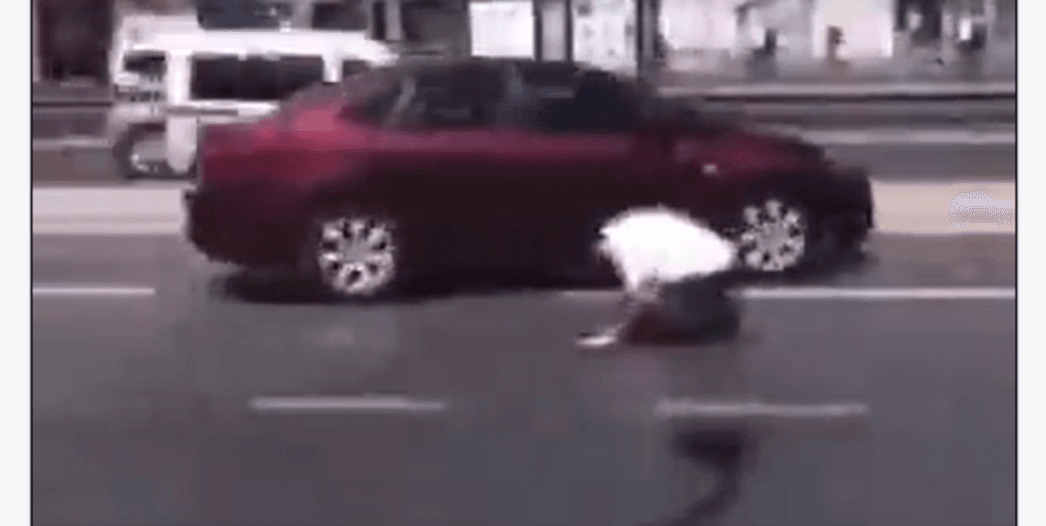
He left his house, the mosque, and even the sidewalk, choosing to pray instead in the middle of a busy road!
— Dr. Maalouf (@realMaalouf) October 6, 2025
What do you even call this? pic.twitter.com/t37eAlZeom
Related Posts
President Museveni Calls Sex Denial In Marriage Jailable Offense
Uganda President Yoweri Museveni stirred fresh controversy when he declared denying your partner sex a big offence that could land people in jail. The veteran…

Uri Geller Cancels Witch Doctor Nana Kwaku Curse on Harry Kane
Uri Geller stepped in to cancel the witch doctor’s curse on Harry Kane right before England faced Ghana in the World Cup. The Israeli-British illusionist…

Didier Deschamps Mourns Mother’s Death Ahead of Norway Game
France national team coach Didier Deschamps faces sudden heartbreak as news of his mother’s death spreads through the football world. The long-time leader will fly…
JD Vance Delivers Blunt Warning to Netanyahu Government
Vice President JD Vance issued a fierce warning to Benjamin Netanyahu’s cabinet on Thursday against undermining their crucial American partnership over President Donald Trump’s new…