
Unable to Walk? Learn Biya Statue Campaigns in Cameroon Poll
 Adhis Okena — October 7, 2025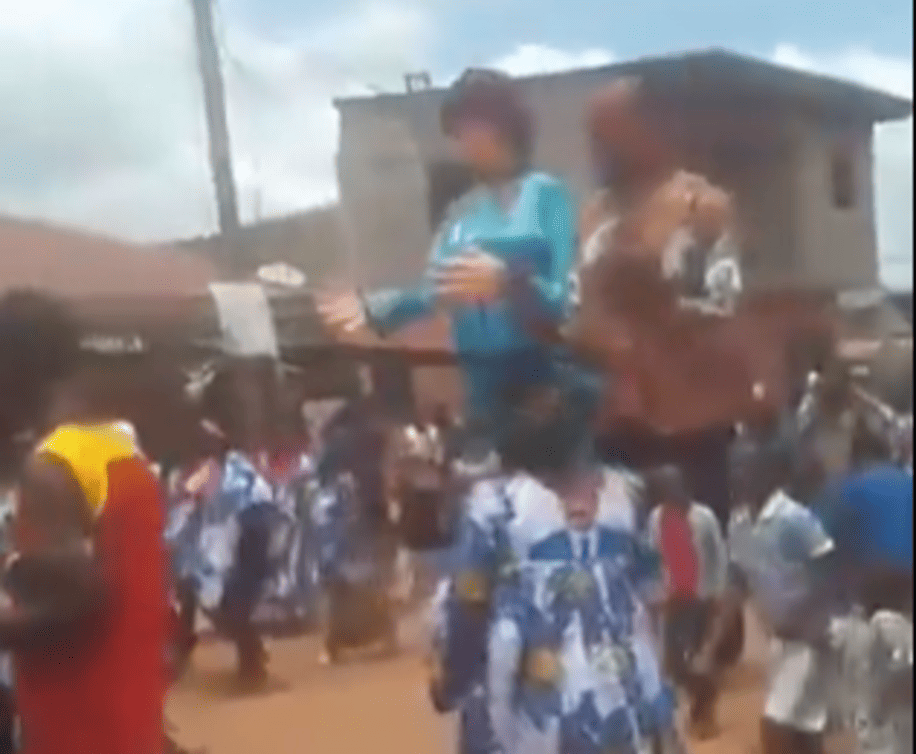
Biya statue campaigns have taken centre stage in Cameroon’s heated presidential race, as the 92-year-old incumbent Paul Biya, sidelined by frailty and mobility woes, dispatches a towering bronze likeness to rally supporters just days before the October 12 vote.
Throngs of loyalists in Douala cheered wildly Monday as the effigy – perched on a flower-draped float – “addressed” a sea of green-and-white flags, symbolising the ruling RDPC party’s unyielding grip.
Biya, Africa’s longest-serving leader since seizing power in 1982, announced his bid for an eighth term back in July, brushing off calls to retire amid whispers of health decline. At 92, the nonagenarian’s absences from the trail have fuelled speculation: aides cite “strategic rest”, but insiders murmur of wheelchair-bound days in Etoudi Palace, where he’s reportedly too frail for the stump speeches that once defined his iron-fisted rule.
Enter the statue gambit. Unveiled last week in Yaoundé’s central square, the 10-foot monument – a spitting image of Biya in his signature suit and tie – has crisscrossed the nation via convoy.
In Bamenda’s restive northwest, it “spoke” through pre-recorded clips booming from speakers: “My dear compatriots, together we build a stronger Cameroon.” The crowd, a mix of party diehards and schoolkids bussed in, erupted in chants of “Biya forever!” One elder, clutching a palm frond, beamed: “It’s him in spirit – guiding us like always.
“Not everyone’s buying the spectacle. Opposition voices, already reeling from the exclusion of firebrand Maurice Kamto by the Constitutional Council, decry it as a “puppet presidency’s last gasp”.
Kamto, the MRC leader who nearly toppled Biya in 2018, slammed the ploy on social media: “A statue can’t fix roads or end the Anglophone crisis. Cameroon deserves a living leader.” His ouster, upheld last month, has sparked protests in urban hubs, with tear gas clashes leaving dozens bruised.
Yet the Biya statue campaigns roll on undeterred. In coastal Limbe on Tuesday, fishermen and market women tossed garlands at the float, hailing it as a nod to “Papa’s wisdom” amid economic woes like soaring fuel prices and youth joblessness.
RDPC youth wingers, clad in matching caps, danced around the pedestal, blasting campaign anthems that drowned out hecklers. “He’s everywhere now – in our hearts and on the streets,” gushed one volunteer, Marie Ngo, a 28-year-old teacher.
Critics abroad aren’t amused. Human Rights Watch called it “surreal authoritarian theatre”, warning it masks a vote rigged by incumbency perks: state media dominance and voter list irregularities.
The EU’s observer mission, arriving this week, eyes the polls warily, citing past fraud claims that saw Biya snag 71% in 2018. With separatist violence flaring in the English-speaking regions – over 6,000 dead since 2016 – analysts fear post-vote unrest, no matter the outcome.
Biya’s camp spins the statue as innovation born of necessity. Spokesperson Issa Tchiroma, ever the loyalist, told reporters, “The President’s vision transcends flesh. The memorial honours his legacy while he conserves energy for governance.” Behind the scenes, though, tensions simmer.
Cameroonian 🇨🇲
— Tilingi 🐘🐘🐘 (@ArapTilingi) October 6, 2025
Presidential candidate Paul Biya who is 92 and has served as president since 1982 sends his statue to his campaigns since he is unable to attend in person because of old age and the people are cheering. What is wrong with Africa? pic.twitter.com/bBgJ5O3kLu
Challengers like Cabral Libii of the PCRN and Frank Ngu of the NOP push anti-corruption platforms, but without Kamto, they’re long shots against the machine. As sundown painted the statue gold in Yaoundé’s Nlongkak market, a grandmother hoisted her toddler for a closer look.
“See? Papa Biya watches over you,” she cooed, as drummers pounded a rhythm of reluctant hope. In a nation scarred by Boko Haram raids and economic slumps, the cheers ring hollow to some – a forced fiesta veiling deeper fractures. With five days to ballots, the effigy’s tour ramps up: coastal Kribi next, then restive Buea.
Will it sway the undecided or cement views of a relic regime? International monitors urge calm, but locals whisper of “statue fatigue” amid blackouts and empty shelves. For Biya’s devotees, it’s a divine proxy; for foes, a bronze farce.
Related Posts
President Museveni Calls Sex Denial In Marriage Jailable Offense
Uganda President Yoweri Museveni stirred fresh controversy when he declared denying your partner sex a big offence that could land people in jail. The veteran…
Uri Geller Cancels Witch Doctor Nana Kwaku Curse on Harry Kane
Uri Geller stepped in to cancel the witch doctor’s curse on Harry Kane right before England faced Ghana in the World Cup. The Israeli-British illusionist…
Didier Deschamps Mourns Mother’s Death Ahead of Norway Game
France national team coach Didier Deschamps faces sudden heartbreak as news of his mother’s death spreads through the football world. The long-time leader will fly…
JD Vance Delivers Blunt Warning to Netanyahu Government
Vice President JD Vance issued a fierce warning to Benjamin Netanyahu’s cabinet on Thursday against undermining their crucial American partnership over President Donald Trump’s new…