
7 Million More Kenyans in Extreme Poverty, 125 People Control Entire Economy – Oxfam

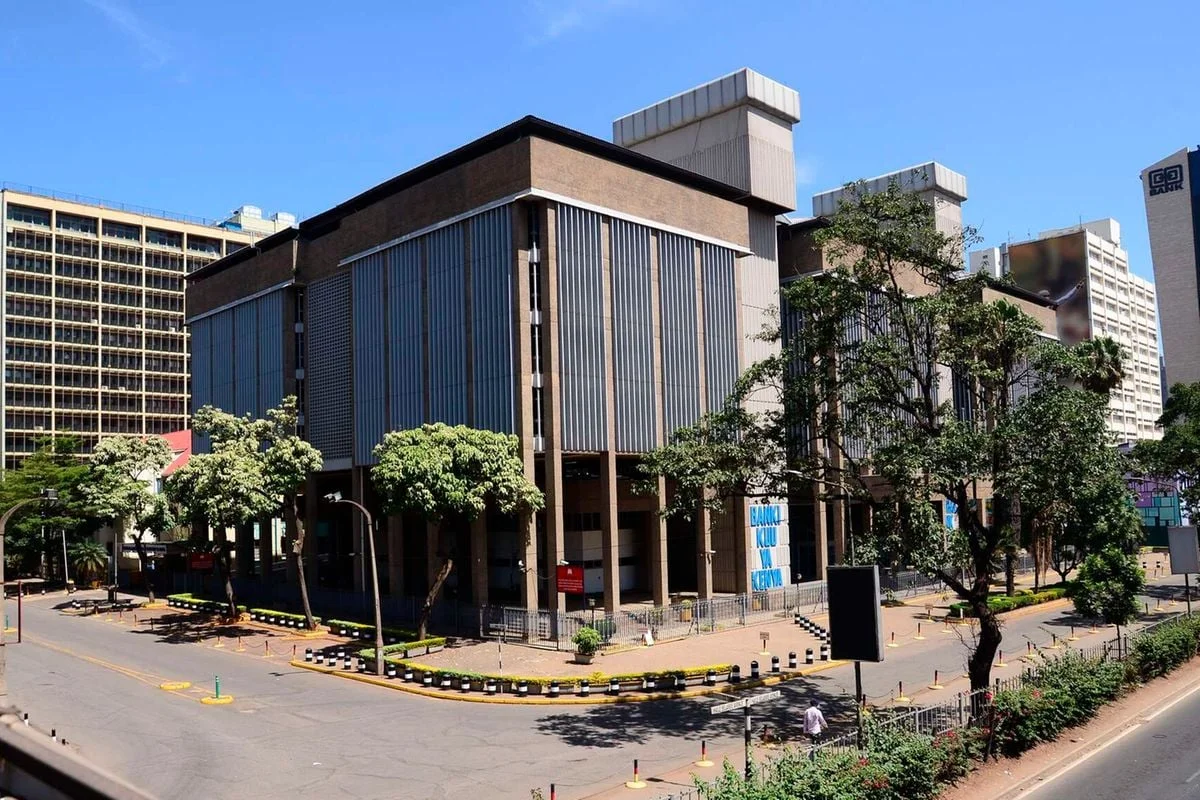
A new Oxfam Kenya report has exposed a shocking surge in inequality, revealing that seven million more Kenyans have slipped into extreme poverty since 2015, marking a 37 per cent increase, while just 125 of the richest individuals now control more wealth than the other 43 million citizens combined.
The Great Economic Divide, the 28-page document released in November 2025, paints a grim picture of a nation where economic growth has failed to lift the majority out of hardship.
Nearly half of Kenya’s 53 million people, or about 46 per cent, now survive on less than KES 130 per day, the international threshold for extreme poverty. This places Kenya as the 15th worst globally for such deprivation, despite averaging five percent annual GDP growth over the past decade, excluding the pandemic year of 2020.
The report delves into the stark wealth disparity at the top, stating that the richest 125 Kenyans hold assets exceeding the combined net worth of 77 per cent of the population, roughly 42.6 million souls.
To illustrate the scale, Oxfam calculates that if this elite fortune were converted into KES 100 banknotes and stacked, the pile would blanket nearly the entire 696 square kilometres of Nairobi County.
This concentration of riches stands in brutal contrast to the daily struggles of families rationing meals, skipping medical care, or pulling children from school to work informal jobs in urban slums or rural villages.
Experts attribute this chasm to systemic failures rooted in colonial legacies that funnelled power and land to a tiny elite, a pattern perpetuated by modern policies favouring debt servicing over public investment.
Government budgets have slashed funding for education, where per-pupil spending in primary schools has dwindled to just 18 per cent of 2003 levels, leaving kids from the poorest quintile with five fewer years of schooling than their affluent peers.
Healthcare fares no better, with only four million Kenyans enrolled in the Social Health Insurance Fund, and public facilities receiving a mere 20 per cent of allocations despite handling most patients.
Corporate greed amplifies the divide, as CEOs of Kenya’s ten largest firms pocket salaries 214 times higher than those of teachers, fuelling a cycle where profits soar but wages stagnate.
Inflation has eroded real earnings by 11 percent since 2020, while food prices jumped 50 percent, pushing more households toward destitution. Women and girls bear the heaviest burden, earning 65 per cent of men’s wages, owning far less property, and shouldering unpaid care work that traps them in poverty’s grip.
Oxfam Kenya Executive Director Mwongera Mutiga, speaking at the launch in Nairobi’s civil society hub, declared inequality a deliberate policy choice rather than fate.
“This is not inevitable. It stems from unjust taxes, underfunded services, and inaction on land grabs that echo colonial dispossession,” Mutiga said, urging a shift toward progressive taxation and universal access to quality education and health.
The organisation proposes concrete steps: trimming inequality by two per cent yearly alongside modest growth could triple poverty reduction speeds, lifting millions faster than growth alone.
Other recommendations include dignified job creation, gender equity reforms, and reclaiming public land for community use. Without these, Oxfam warns, social unrest, stunted growth, and eroded democracy loom large.
Reactions poured in swiftly. Civil society groups like the Kenya Human Rights Commission echoed the call for fiscal overhaul, while economists at the University of Nairobi highlighted how regressive taxes burden the poor most.
As Kenya eyes Vision 2030 goals, the Oxfam findings serve as a wake-up call: true progress demands sharing prosperity, not hoarding it. This report arrives amid global spotlights on inequality, from Davos forums to UN summits, positioning Kenya as a case study in how unchecked wealth gaps undermine development.
With elections looming, pressure mounts on leaders to act, lest the seven million more in extreme poverty since 2015 swell further, deepening the divide between the 125 richest and the 43 million left behind.
Related Posts
After Claims 2024 Gen Z Were From Illuminati, MP Kagombe Quits UDA
Gatundu South lawmaker Gabriel Kagombe walks away from the United Democratic Alliance this week as he eyes a fresh vehicle in Kenya’s mountain region. The…
Bumula MP Wamboka Criticizes Wetangula’s Uhuru Exit Call
Bumula MP Jack Wamboka yesterday rejected Speaker Moses Wetangula demands that former president Uhuru Kenyatta leave active politics. The lawmaker spoke in Bungoma County and…

New Emurua Dikirr MP David Keter Outrage After Demeaning Woman
Recently elected Emurua Dikirr MP David Keter sparked fierce public anger across Kenya when he publicly told a woman seeking assistance to sit down and…
Kenyans Drink More Soda as Mbadi Claims Ruto Economy Success
Treasury Cabinet Secretary John Mbadi told a gathering in Kenya on Tuesday, 11 August 2026, that rising soda intake proves citizens now hold extra cash…