
Affordable Care Act subsidies expiration 2025 crisis looms

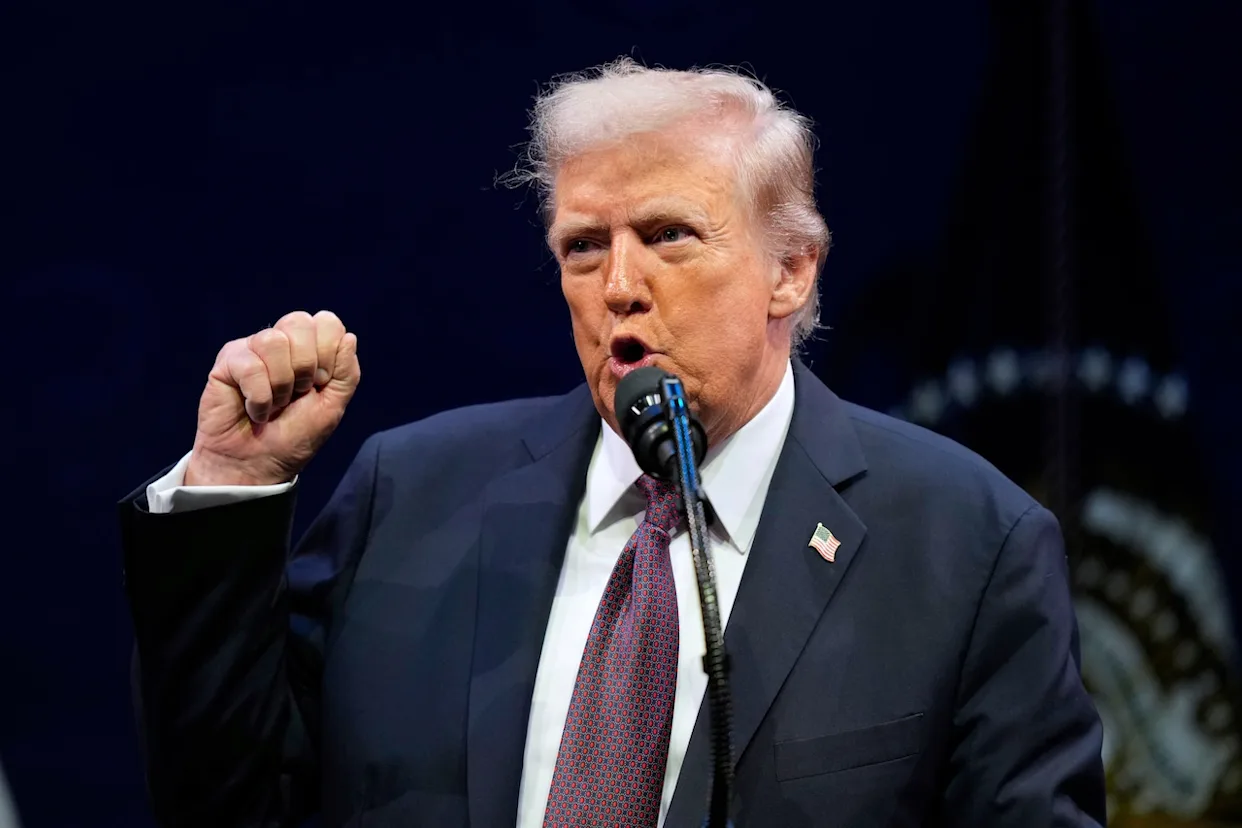
Affordable Care Act subsidies expire in 2025. A crisis looms large as millions brace for skyrocketing health premiums, with enhanced tax credits set to vanish at year’s end and political brinkmanship fuelling a potential government shutdown.
In a tense November 9 Al Jazeera interview, President Donald Trump renewed attacks on Obamacare, tying the lapse of these critical supports to stalled budget talks, a move that could double average marketplace payments from $138 to $323 monthly for enrollees earning up to 400 per cent of the federal poverty level.
The standoff, now in its 40th day, pits Democrats defending the 2010 law against Republican pushes to scrap the Inflation Reduction Act’s extensions, leaving 22 million Americans in limbo as open enrolment kicks off November 1.
The enhanced credits, first boosted in 2021 amid pandemic chaos and extended through 2025, have been a lifeline, slashing costs for families squeezed by inflation and job shifts.
Kaiser Family Foundation data shows they fuelled a record 21 million sign-ups last year, with premiums stabilised at historic lows.
As December 31 nears, the clock ticks louder. “Without extension, we’re staring at a health care cliff,” warned Republican member of the U.S. House of Representatives Kevin Kiley (R-CA) in a bipartisan presser unveiling the Fix It Act, a bill co-sponsored with Rep. Angie Craig (D-MN) to prolong credits for two more years and avert chaos for low-income households.
GOP strongholds stand to suffer most, per Fortune analysis, with states like Florida, Texas, and Georgia facing the sharpest hikes.
In these Sun Belt battlegrounds, where 40 percent of marketplace users rely on subsidies, premiums could surge 150 percent, pricing out young families and gig workers.
“This isn’t red or blue; it’s a gut punch to working folks,” said enrollee Maria Gonzalez, a Miami teacher quoted in CNN’s November 9 spotlight, her story emblematic of the human toll as she weighs dropping coverage amid $1,200 annual jumps.
Trump’s rhetoric escalated the drama, framing subsidies as “Obamacare giveaways” during a Mar-a-Lago rally, vowing replacements with “better plans” if the shutdown ends.
House Minority Leader Hakeem Jeffries fired back on NBC, accusing Republicans of “holding health care hostage,” while Sen. James Lankford (R-OK) dug in on tax offsets, stalling progress.
The wrangling echoes 2017’s repeal fiascos, but with higher stakes: CBPP estimates 4 million could lose insurance by mid-2026, straining emergency rooms and spiking uncompensated care costs by $50 billion. Immigrants bear an extra brunt.
Politico reports the GOP megabill stripped aid from 300,000 legal migrants, including green card holders, threatening market stability as insurers hike rates across the board.
DACA recipients, numbering 525,000 as of March, face fresh barriers, with 100,000 newly eligible now in jeopardy per CBPP’s September update.
“These aren’t statistics; they’re neighbours fighting for checkups,” noted advocate Janet Murguía of UnidosUS in a fiery op-ed. Bipartisan glimmers offer hope.
The Fix It Act, introduced November 9, aims to cap subsidies at 8.5 percent of income, shielding middle-class earners up to $100,000. Senate passage seems plausible if the shutdown lifts, but with midterms looming, horse-trading intensifies.
Reuters notes Trump’s pivot could unlock funds, but only if paired with Medicaid tweaks, a nonstarter for progressives. As snow dusts Midwest marketplaces, families like the Gonzalezes scramble, weighing COBRA over bare-bones plans.
The Affordable Care Act subsidies expiration 2025 crisis isn’t abstract; it’s the quiet dread in doctors’ waiting rooms and the frantic calculator taps at kitchen tables.
With enrolment deadlines on November 18, lawmakers’ next moves could heal or harm a system that’s covered 50 million since 2014.
Related Posts
President Museveni Calls Sex Denial In Marriage Jailable Offense
Uganda President Yoweri Museveni stirred fresh controversy when he declared denying your partner sex a big offence that could land people in jail. The veteran…

Uri Geller Cancels Witch Doctor Nana Kwaku Curse on Harry Kane
Uri Geller stepped in to cancel the witch doctor’s curse on Harry Kane right before England faced Ghana in the World Cup. The Israeli-British illusionist…
Didier Deschamps Mourns Mother’s Death Ahead of Norway Game
France national team coach Didier Deschamps faces sudden heartbreak as news of his mother’s death spreads through the football world. The long-time leader will fly…
JD Vance Delivers Blunt Warning to Netanyahu Government
Vice President JD Vance issued a fierce warning to Benjamin Netanyahu’s cabinet on Thursday against undermining their crucial American partnership over President Donald Trump’s new…