
Benkosh Kaminisky DCI Arrest on Satirical Puppets Content
 E. Njeri — November 12, 2025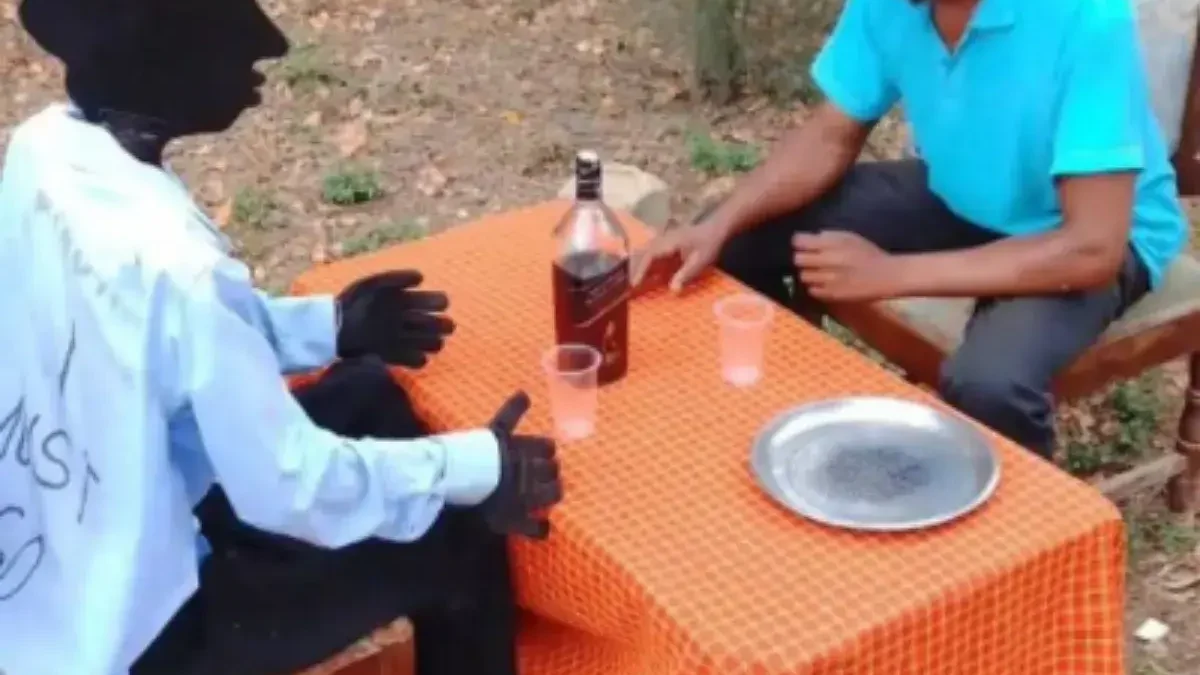
Benkosh Kaminisky’s DCI arrest over satirical content has ignited a fierce debate on free speech limits in Kenya, as the satirical content creator was detained by the Directorate of Criminal Investigations over marionette-style puppets critics say mock high-profile leaders like President William Ruto.
The November 10 arrest at his Nairobi home, confirmed by DCI sources, stems from allegations of incitement to violence tied to his viral videos featuring exaggerated puppet figures lampooning government figures.
Kaminisky, 28, whose handle @benkoshkaminisky boasts thousands of followers, was briefly released from Central Police Station but slapped with a handwritten summons for November 12, his signature artwork still held as evidence.
“This is intimidation dressed as investigation,” Kaminisky told reporters outside the station, his voice steady amid a crowd of supporters chanting for artistic freedom.
Kaminisky’s rise from a Nakuru street performer to digital satirist mirrors Kenya’s booming creator economy, where his handcrafted puppets – wiry figures with oversized heads and comically stern expressions – have skewered everything from tax hikes to political handshakes.
Hits like a 2024 skit showing a puppet “president” juggling flaming shillings racked up 2 million views, blending humour with subtle jabs at fiscal woes.
But the latest piece, a marionette resembling Ruto in a cowboy hat amid “debt rodeo” chaos, crossed a line for authorities.
A Prime Cabinet Secretary Musalia Mudavadi statement days prior warned that “public mockery of leaders” could bar exit visas, a veiled threat that activists decry as censorship.
A DCI spokesperson defended the move in a terse November 11 briefing: “Content that stirs unrest isn’t protected speech; we’re probing for hate speech under the Computer Misuse Act.”
The arrest, executed by plainclothes officers who seized laptops and props, echoes crackdowns on Gen Z influencers during June’s anti-finance bill protests, where over 50 creators faced sedition charges.
Rights group Amnesty International slammed it as “chilling artistic dissent,” noting Kenya’s 2025 press freedom ranking slipped to 112th globally per Reporters Without Borders.
Supporters rallied swiftly, with a human rights advocate announcing a solidarity vigil at Central Station for November 12, inviting artists and fans to “stand with satire”.
“Benkosh didn’t incite; he illuminated,” tweeted comedian Crazy Kennar, whose own skits have dodged similar heat.
Kaminisky’s family, speaking anonymously to TUKO, revealed the creator’s shock: “He makes puppets to laugh, not to lash out. This is state paranoia.”
Critics, however, see merit in the probe. Pro-government voices on JamiiForums argued his work “fans ethnic tensions,” linking it to broader youth unrest that saw 39 deaths in July clashes.
Mudavadi’s visa threat, aimed at “disruptive influencers”, has chilled the scene, with creators like Crazy Nairobian pausing political bits.
Legal experts predict a swift court test: The 2010 Constitution’s Article 33 safeguards expression, but courts have upheld limits on “hate” content since the 2023 Social Media Act.
Kaminisky’s saga spotlights Kenya’s creator crossroads: a $200 million industry fuelling TikTok economies, yet vulnerable to whims.
From his Nakuru roots crafting dolls for fun to viral fame, Benkosh embodied irreverence in a buttoned-up polity. As November 12 dawns, with solidarity swelling, Benkosh Kaminisky DCI arrests over satirical content, testing the strings of power. Will courts cut them loose, or will puppets bow to puppeteers?
Related Posts
Jovial Publicly Apologises to Otile Brown in Royalty War ‘Vile Unaleta Mtoto’
Jovial publicly apologised to Otile Brown over their bitter royalties dispute. The Kenyan artists clashed for months after she demanded fair pay for past collaborations,…

Pregnant Zuchu Splits with Diamond Platnumz After 6 Years’ Union
Tanzanian singer Zuchu splits with Diamond Platnumz after six years together amid swirling pregnancy rumours. The musician announced her decision to end the relationship and…

Georgina Mbira Blasts Stylist In Pritty Vishy’s Clothes Row
TV host Georgina Mbira confronts a trusted stylist after he handed her designer outfits to Pritty Vishy without permission. Georgina Mbira accuses the stylist of…

Zari Hassan and Shakib Cham Rekindle Love in Ugandan Getaway
Zari Hassan and Shakib Cham drew fans into fresh hope when they shared cuddled-up photos together in Uganda this week. The pair who split just…