
Liebe Kiki’s Husband Pays Her to Stop Skin Lightening
 E. Njeri — November 23, 2025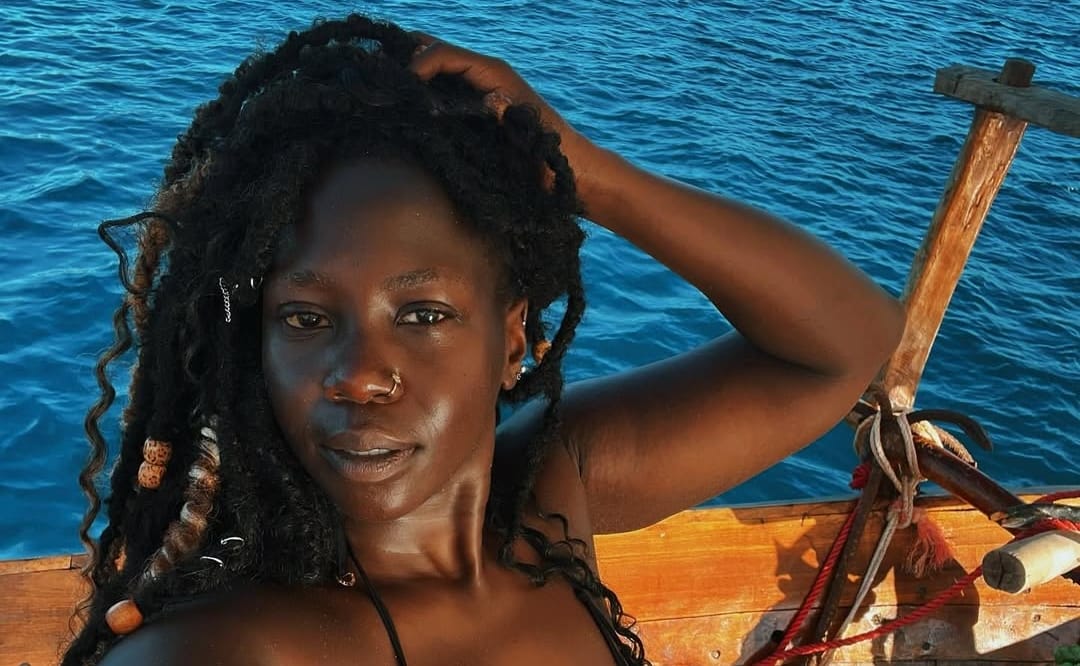
Liebe Kiki’s boyfriend pays her to stop skin lightening in a candid confession that has sent shockwaves across Kenyan social media, with the popular digital creator revealing her partner literally funded her journey back to natural skin.
The 26-year-old TikTok star went live on Instagram Thursday evening to share how her boyfriend of two years sat her down, slid an envelope with KSh 250,000 across the table, and said, “I love you exactly as God made you; take the cash and never touch another bleaching cream again.”
Liebe admitted she had been lightening her skin since 2019, chasing the flawless caramel tone that dominates influencer feeds. “I started with the cheap tubes from Eastleigh, then graduated to expensive injections,” she told her live viewers, tears rolling as she showed old photos of her once deep-chocolate complexion.
“I thought lighter meant prettier, more bookings, more love. My man proved me wrong.” The envelope, she explained, covered professional dermatologist visits, vitamin treatments, and a six-month supply of high-end sunscreen and healing creams to reverse years of hydroquinone damage.
The revelation exploded instantly. Within hours she became a topic and was trending nationwide, with women sharing before-and-after photos of their own bleaching journeys and men posting heart emojis under her video.
“Finally a man who pays to heal, not to harm,” commented one follower. Another wrote, “KSh 250k to love yourself? Best investment ever.”
Beauty brands that once sent her free lightening products quietly unfollowed, while natural skincare lines flooded her DMs with collaboration offers.
Liebe’s boyfriend, a tech entrepreneur who asked to remain anonymous, later joined the live briefly, covering the camera with his palm but letting his voice through.
“I saw the burns on her arms, the dark knuckles, the way she flinched in sunlight. Money is nothing compared to her health and confidence,” he said softly, prompting thousands of crying emojis in the chat.
Skin-lightening remains a billion-shilling industry in Kenya, with a 2023 Ministry of Health survey estimating 68 percent of women in urban areas have used bleaching agents at least once.
Dermatologists in Nairobi report a surge in patients seeking reversal treatments, often citing social media pressure.
“This is bigger than one girl; it’s a movement,” wrote natural beauty influencer Maureen Waititu. In the comment sections of Eastleigh cosmetic shops, sellers report slower sales of popular creams like Caro White and Fair & Lovely.
One vendor laughed nervously on TikTok: “Liebe has finished my business!” For Liebe and her man, the journey is just beginning. She promises weekly updates on her reversal process and has launched a small fundraiser to help other women access safe dermatology care.
“He paid for my healing; now I want to help someone else,” she wrote. In a country where colourism still dictates opportunities and affection, Liebe Kiki Man pays her to stop skin lightening. It is more than a love story; it is quiet rebellion, one melanin molecule at a time.
Related Posts

Prophet Kanyari Introduces Marion Naipei Husband to Church Members
Prophet Victor Kanyari presented Marion Naipei’s husband before packed church members at Salvation and Healing Ministry in Nairobi on 9 August 2026. The move confirmed…

Jina Liko Na Bank! Baba Levo Refuses Diamond-Zuchu Baby Name Reveal
Baba Levo spoke out recently in Tanzania and made clear he will stay silent on the child of the famous couple. The comedian explained that…

Charlene Ruto Traditional Wedding with Husband Isaya Yunge
Tanzanian internet entrepreneur Isaya Yunge stands ready to join First Daughter Charlene Ruto in a landmark traditional ceremony this Saturday, August 8, 2026, at the…

Charlene Ruto Prepares for Dowry Koito Ceremony: Who is the Husband?
President William Ruto’s daughter Charlene Ruto steps into a major life moment as her Koito ceremony draws near at the family farm in Kilgoris this…