
Mosop MP Abraham Kirwa Demands Crackdown on Fake Medicines

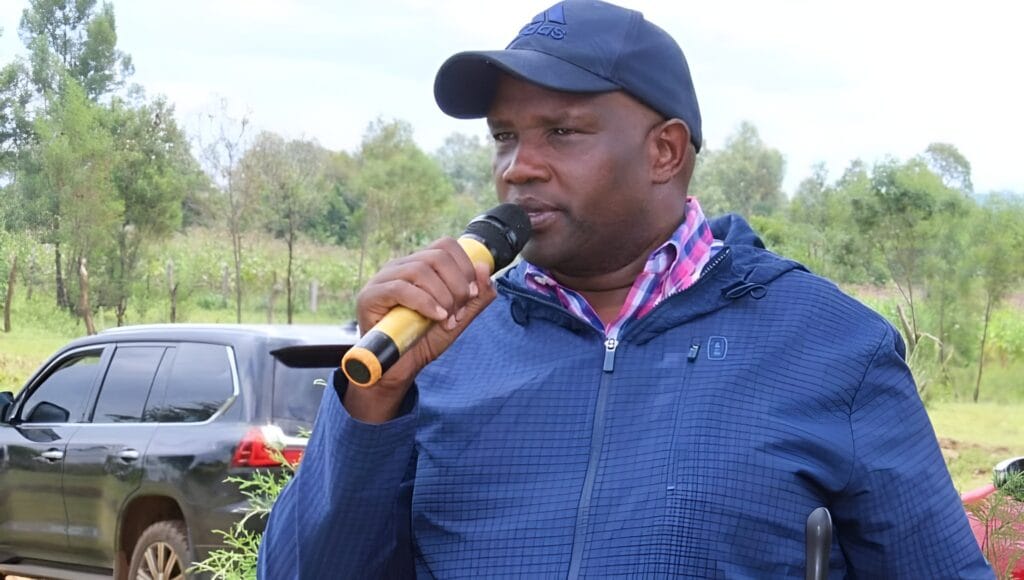
Mosop Member of Parliament Abraham Kirwa has issued a strong appeal to the Kenyan government to urgently address the crisis of fake medicines and substandard generics flooding the local market, warning that Kenyans are dying from poisonous drugs while seeking treatment for common illnesses.
Speaking in parliament immediately after treatment from the United States, where he has been receiving specialised medical care for several weeks, the vocal legislator said his own recent health challenges opened his eyes to the stark difference between regulated pharmaceutical systems abroad and the dangerous situation back home.
Kirwa, who left the country in late October, citing the need for advanced treatment unavailable locally, said that many Kenyan patients unknowingly purchase counterfeit or fake drugs from licensed outlets.
“I have seen with my own eyes how strict quality controls work in America. Here at home, people are swallowing poison thinking it is medicine,” he stated, adding that the proliferation of fake antibiotics, painkillers, and chronic disease medications has reached catastrophic levels.
Health experts and pharmacy inspectors have not raised any alarms. However, recently the Kenya Pharmacy and Poisons Board raids in Nairobi, Mombasa, and Eldoret uncovered warehouses stocked with counterfeit antimalarials, blood pressure tablets, and diabetes drugs bearing forged KEBS and PPB approval stickers.
Laboratory tests on seized batches revealed some contained chalk, starch, or dangerously low active ingredients, rendering them useless against targeted diseases while exposing patients to organ damage.
The MP cited cases where patients were treated with drugs, including himself, where he was taking drugs with no relief. However, when he was abroad, he was given the same drugs and felt better in a short while.
Pharmaceutical Society of Kenya chairman Dr Wairimu Mbogo welcomed the lawmaker’s intervention, saying elected leaders rarely speak out on the issue despite its devastating impact.
He disclosed that substandard drugs now account for an estimated 15 per cent of the local market, up from 8 per cent five years ago.
“When a sitting MP who can afford treatment abroad raises this alarm, it should shake the government into action,” she said. Kirwa further criticised the slow pace of the Anti-Counterfeit Authority Amendment Bill, which would have granted the agency powers to prosecute importers and distributors of fake medicines.
Patients and consumer rights groups have echoed the MP’s concerns. The Kenya Patients Rights Association released data showing a 40 per cent rise in reported cases of treatment failure linked to counterfeit drugs between 2023 and 2025.
The Ministry of Health has remained silent on Kirwa’s specific allegations, though sources indicate an internal audit of drug procurement processes is underway following similar complaints from other lawmakers.
As Kenya battles rising cases of non-communicable diseases alongside persistent malaria and tuberculosis burdens, the fake medicines crisis threatens to reverse decades of health gains.
Mosop residents and patients countrywide now hope their MP’s personal experience abroad will finally force decisive government action before more lives are lost to poisonous tablets sold as cures.
Related Posts
Ukambani MP Tells Canada NGO to Return Boreholes to Canada
In the Mwingi Central constituency within Kitui County, MP Gideon Mulyungi recently addressed a gathering and warned Life Water Canada that the group must involve…

KCB’s Rosemary Koech Death Reveals Years of Marital Strife
Family members of KCB executive Rosemary Chemutai Koech Kimwatu point to her husband after police find her body in a Ngong house in Kajiado County…

Ruto: Sifuna ni fala anataka tusimamishe mradi wa Affordable Housing
President William Ruto stood before crowds in Eldoret, Uasin Gishu County, on Thursday, August 13, 2026, and branded Nairobi Senator Edwin Sifuna a fool for…
CO-OP BANK REPORTS A STRONG 17.3 PERCENT GROWTH IN PROFIT TO KSH…
Co-op Bank has posted a strong profit before tax of KSh 23.1 billion for the half year ended 30 June 2026, compared to KSh 19.7…