
Ruto’s eRITS Rental Tax Targets Sh80B From Sh14B

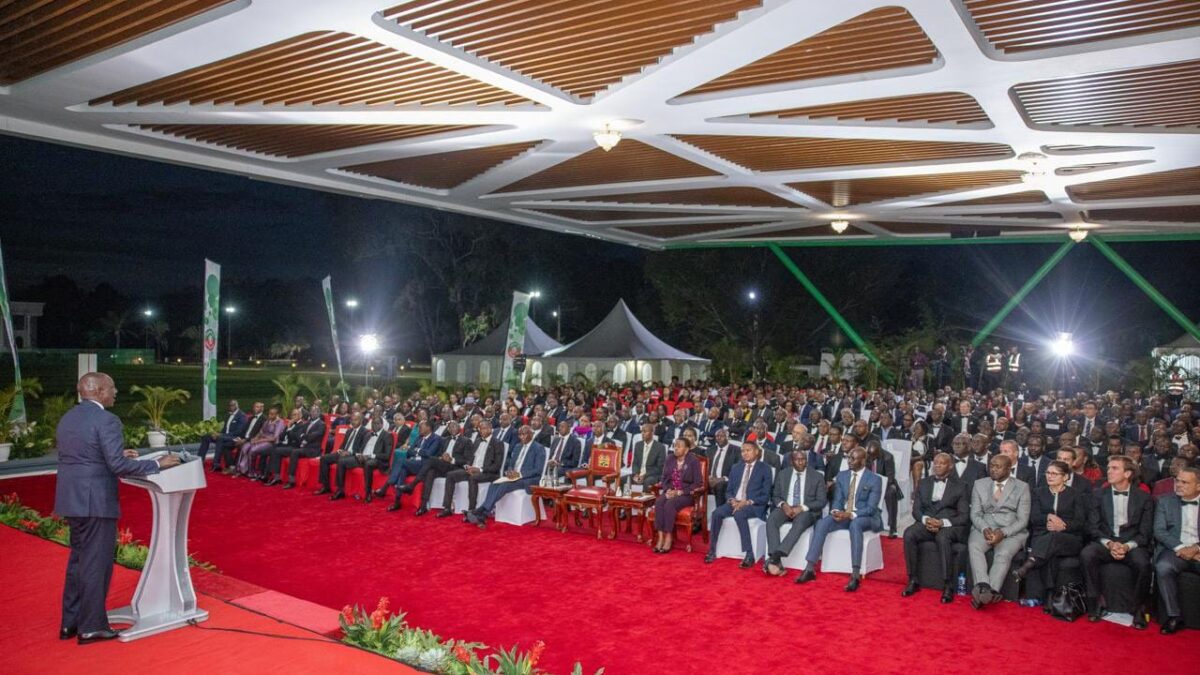
Ruto’s eRITS rental tax targets Sh80B as President William Ruto launches the Electronic Rental Income Tax System, vowing to boost annual collections from a paltry Sh14 billion to a staggering Sh80 billion through digital tracking of landlords nationwide.
Speaking at the system’s rollout ceremony in Nairobi on November 20, Ruto hailed eRITS as a game-changer for plugging revenue leaks in the rental sector, where over 70 percent of income previously escaped the tax net due to manual reporting and evasion.
“This is not punishment; it’s fairness. Every landlord will contribute their share to build Kenya,” Ruto declared to an audience of KRA officials and property owners, framing the platform as a cornerstone of his administration’s fiscal reforms amid a Sh3.4 trillion debt crunch.
The eRITS portal, live on itax.kra.go.ke since November 1, mandates landlords earning above Sh288,000 yearly to file monthly returns by the 20th, with tenants’ details auto-populated via integrated utilities and iTax data.
Penalties kick in hard: Sh10,000 per late return or 5 per cent of due tax, whichever is higher, plus interest on arrears. KRA Commissioner General Humphrey Wattanga revealed early compliance figures: Over 150,000 landlords registered in the first fortnight, with Sh2.1 billion already remitted.
“The old days of under-declaring or hiding tenants are over,” Wattanga warned, demonstrating the dashboard that flags discrepancies in real time using AI algorithms.
Landlords, however, cry foul. The Kenya Landlords Association termed it “draconian overreach”, with its chairman telling Citizen TV the Sh80 billion target feels “unrealistic and punitive” for small-scale owners juggling rising costs.
“Many of us barely break even with maintenance and rates; this could force rent hikes or sales,” the chair lamented, echoing fears of a 10-15 percent passthrough to tenants already stretched by 7.2 percent inflation.
In low-income estates like Kayole and Pipeline, murmurs of “bedroom tax” spread, with some owners plotting cash-only deals to dodge the system.
Ruto countered with equity arguments, noting high-end landlords in Westlands and Kileleshwa have long underpaid while enjoying Sh500,000-plus monthly rents.

“The rich must pay their fair share to fund SHIF and free education,” he insisted, linking eRITS revenue to social programmes. Treasury projections show the Sh66 billion jump funding 20,000 affordable housing units and rural electrification.
Early wins include auto-deductions for institutional landlords like universities, netting Sh500 million in pilot phases. Opposition voices pounced.
As November 20 deadlines bite, Ruto’s eRITS rental tax targets Sh80B, testing the balance between revenue hunger and taxpayer tolerance. For landlords logging in warily and tenants eyeing higher bills, it’s not just a portal – it’s the latest chapter in Kenya’s tax odyssey. Will it bridge the gap or widen the divide? The dashboard is watching.
Related Posts

Lumumba Vea Signs Rexona Deal at 2026 World Cup
Congolese superfan Lumumba Vea signs Rexona deals with the 2026 World Cup in Mexico after his motionless tribute pose captured global attention. The passionate supporter…

Doky Dorcas Sets New Guinness Record for Fastest Chapatis
Doky Dorcas claimed the title for the fastest chapatis when she whipped up three fresh ones in record time at Ongata Rongai on December 15,…

Ruto Fires Back at Gideon Moi Accusing Him of SG Media Headlines…
President William Ruto hit out sharply at Gideon Moi and Standard Media over what he calls daily extortion through headlines. The strong social media post…

Banking for Business Growth – Don’t Miss This Masterclass By Co-op Bank
Starting and growing a business comes with many opportunities, but it also requires the right financial support to succeed.Join us this Friday as we explore…