
The New York Times: Ruto Family Gulf Labor Abuse Profits
 Adhis Okena — November 16, 2025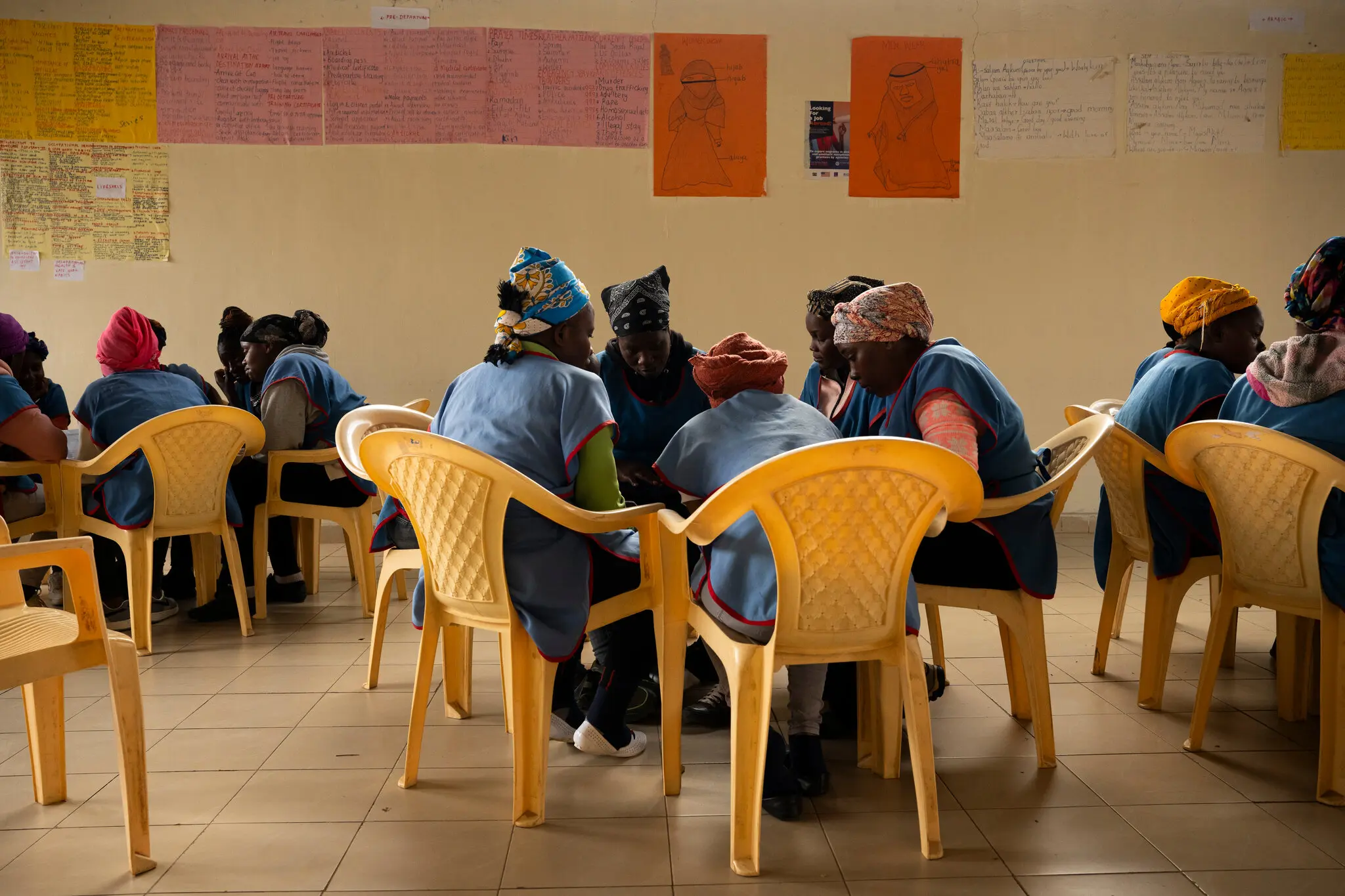
The Ruto family’s Gulf labour abuse profits have ignited outrage across Kenya following a damning New York Times probe that lays bare the administration’s deep entanglements in an exploitative export scheme shipping vulnerable women to Gulf states for gruelling domestic work.
The investigation, published Friday, details how President William Ruto’s inner circle, including his wife Rachel and daughter Charlene, reaps financial gains from recruitment agencies and insurance outfits profiting off the misery of thousands of rural Kenyan women dispatched to Saudi Arabia, the UAE, and Qatar.
These migrants endure rampant physical and sexual violence, with at least 274 domestic workers dying in Saudi alone since 2022, yet earn roughly 40 per cent less than their Filipino counterparts.
As remittances eclipse traditional cash cows like coffee and tea, ballooning into a $2 billion juggernaut, critics decry the pivot from agricultural pride to peddling its youth as a commodity.
The report paints a grim portrait of systemic neglect, spotlighting how the Kenyan government has slashed mandatory pre-departure training programmes to ramp up export volumes, leaving workers ill-equipped for the perils ahead.
Interviews with survivors reveal harrowing tales: beatings for minor infractions, rapes dismissed as “misunderstandings”, and suicides born of despair in locked compounds.
One 28-year-old from Meru, speaking through tears in a safe house, recounted being starved and assaulted by her Saudi employer, who branded her a “thief” after she begged for wages.
“They treat us like animals, less than dogs,” she said, echoing recruiters’ own callous rhetoric uncovered by the Times.

Gulf agencies, emboldened by bilateral deals inked under Ruto, push for more bodies to fill quotas, while Kenyan officials tout the influx as economic salvation.
At the heart of the scandal lie the Ruto family’s veiled interests. Rachel Ruto holds shares in a prominent staffing firm funnelling women through Nairobi’s Eastleigh corridors, while Charlene’s name surfaces in insurance policies padding agency margins.
Even government spokesman Isaac Mwaura, a vocal defender of the programme, links to complementary ventures via family ties, per leaked corporate filings.
The administration’s retorts ring hollow: Labour Minister Alfred Mutua blamed victims for “poor choices”, insisting safeguards abound despite slashed budgets for embassy rescues.
Kenya’s labour diaspora, once romanticised as a bridge to prosperity, now symbolises a desperate bargain. Remittances hit $4.2 billion last year, outstripping horticultural exports and bankrolling rural schools and clinics back home.
Yet the human toll mounts. Data from the National Employment Authority shows over 100,000 women funnelled to Gulf kitchens and nurseries annually, up 30 per cent since Ruto’s 2022 ascension.
Filipino workers, by contrast, command higher pay and robust protections, thanks to Manila’s hardball diplomacy. “We’ve traded our fields for foreign floors,” lamented a Kisii elder in a viral TikTok, his words capturing the nation’s soul-searching.
In State House, silence prevails; Ruto, fresh from COP29 climate talks, pivoted to infrastructure wins, sidestepping the storm.
Survivors’ voices cut deepest. A network of returnees, coordinated by FIDA-Kenya, shared stories of botched escapes: passports confiscated, hotlines ignored, and families bled dry by “rescue fees”.
One, a mother of three from Kitui, lost an eye to a broom handle in Dubai, only to face scorn upon repatriation.
“They said I provoked it, that Gulf men are ‘passionate’,” she recounted to Times reporters.
This Ruto family Gulf labour abuse profits exposé forces a reckoning. As Kenya eyes middle-income status, the export model’s cracks widen, pitting short-term gains against long-term scars.
Related Posts
President Museveni Calls Sex Denial In Marriage Jailable Offense
Uganda President Yoweri Museveni stirred fresh controversy when he declared denying your partner sex a big offence that could land people in jail. The veteran…

Uri Geller Cancels Witch Doctor Nana Kwaku Curse on Harry Kane
Uri Geller stepped in to cancel the witch doctor’s curse on Harry Kane right before England faced Ghana in the World Cup. The Israeli-British illusionist…
Didier Deschamps Mourns Mother’s Death Ahead of Norway Game
France national team coach Didier Deschamps faces sudden heartbreak as news of his mother’s death spreads through the football world. The long-time leader will fly…
JD Vance Delivers Blunt Warning to Netanyahu Government
Vice President JD Vance issued a fierce warning to Benjamin Netanyahu’s cabinet on Thursday against undermining their crucial American partnership over President Donald Trump’s new…