
Minnesota’s Ilhan Omar: Ethiopia, Kenya Stole Somalia Territory

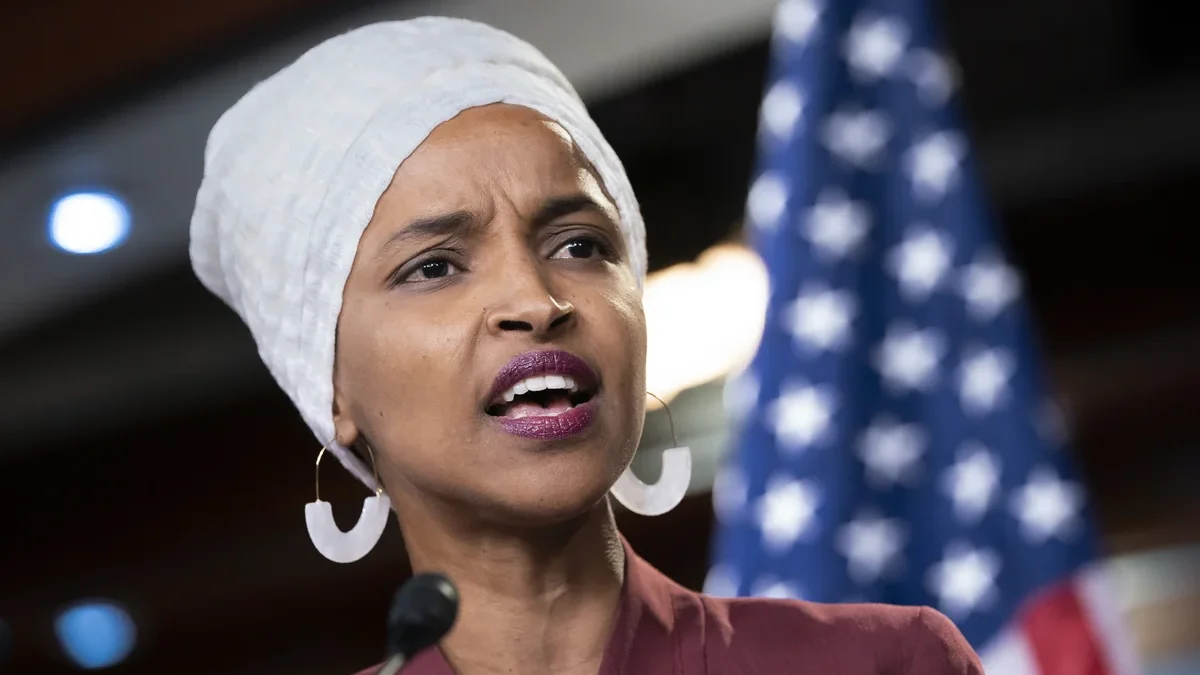
The Ilhan Omar Somalia territories claim has ignited a firestorm of backlash across East Africa after the Minnesota congresswoman, facing renewed deportation threats from US President Donald Trump, declared in a viral speech that Ethiopia and Kenya continue to occupy Somali lands that must be liberated to achieve national unity.
Speaking to a Somali-American audience in Minneapolis on December 4, 2025, Omar stated, “Ethiopia and Kenya stole and continue to occupy Somali regions which rightfully belong to Somalia. We will liberate the stolen territories stolen from us and unite them. We need unity, because what remains of Somalia cannot be divided.”
Omar, the 43-year-old Somali refugee turned trailblazing US lawmaker, delivered the comments amid escalating personal attacks from Trump, who on December 2 branded Somali immigrants “garbage” and demanded she be “thrown the hell out” of America during a White House cabinet meeting.
The president’s tirade, which also targeted Minnesota’s large Somali diaspora, came as Immigration and Customs Enforcement ramped up raids in the Twin Cities, detaining over 150 individuals with final deportation orders.
Omar, who fled Somalia’s civil war at age eight and spent four years in a Kenyan refugee camp before resettling in the US in 1995, hit back on X: “His obsession with me is creepy, but it won’t silence our story.” Yet her Somalia-focused response has shifted the spotlight from US domestic politics to Horn of Africa fault lines, drawing swift condemnation from Nairobi.
“This is not 1960s pan-Somalism; it’s 2025 provocation from a US congresswoman,” tweeted Kenyan analyst Mutuma Mathiu, referencing the Greater Somalia movement that fuelled the 1963-1967 Shifta War in northeastern Kenya.
That conflict, which claimed over 2,000 lives, stemmed from Somalia’s irredentist push to annex ethnic Somali areas like the North Eastern Province, now Garissa, Wajir, and Mandera counties. Residents there, who make up about 2.5 million of Kenya’s population, have long integrated into national life, with many serving in parliament and the military.
“We’re Kenyans first; this rhetoric reopens old wounds,” said local leader Ali Nur, whose grandfather fought in the Shifta insurgency.
The Ilhan Omar Somalia territories claim echoes her earlier 2024 speech, where she vowed Somalis would “go after our missing territories” in response to Ethiopia’s port deal with breakaway Somaliland.
That outburst, which drew over 7 million X views, prompted Republican calls for her expulsion from Congress under the Foreign Agents Registration Act. Critics like Rep. Marjorie Taylor Greene accused her of dual loyalty, while Somali-American supporters hailed it as cultural solidarity.
This time, the addition of Kenya has amplified regional tensions. Ethiopian officials, already at odds with Somalia over the Ogaden region’s status since the 1977-1978 war, issued a terse statement via state media: “External voices stoking division undermine peace efforts.” Addis Ababa, which hosts a large Somali refugee population, fears the comments could inflame cross-border militias.
Omar’s office clarified the remarks on Friday, framing them as “a passionate call for Somali self-determination, not aggression against neighbours.” In a statement to Al Jazeera, she emphasised her work on US foreign aid to the Horn, including $150 million in 2025 for anti-Al-Shabaab operations involving Kenyan and Ethiopian troops.
“Unity means resolving disputes through dialogue, like the ongoing IGAD talks,” the release read. Yet sceptics point to her history: as a Squad member, Omar has criticised US support for Ethiopia’s Tigray conflict and pushed resolutions condemning Kenyan police brutality in informal settlements. Kenyan officials responded coolly: “Congresswoman Omar’s views are her own; Kenya remains committed to bilateral ties with Somalia.”
The timing adds layers of irony. Trump, fresh off pausing immigration from Somalia and 18 other nations, has paused green card reviews for Somalis, citing fraud in Minnesota’s welfare system. ICE’s “strike teams” in Minneapolis, bolstered by 100 agents, have netted dozens, fuelling Omar’s defiance.
Somali Defence Minister Ahmed Moallim Fiqi echoed her earlier, declaring, “If our daughter is targeted for her identity, we stand by her.” Back in Mogadishu, youth groups rallied outside the Kenyan embassy, chanting for “lost brothers” in the NFD, though analysts dismiss it as fringe posturing.
For Kenyans, the Ilhan Omar Somalia territories claim revives ghosts of colonial borders drawn by Britain and Italy, which split ethnic Somalis across five states.
Historians like Prof. Godber Tumushabe note that while irredentism waned post-1991 Somali collapse, recent Al-Shabaab incursions from Puntland into Kenya’s border counties keep suspicions alive. “Omar’s words, however heartfelt, risk radicalising youth in Dadaab camps,” he warned in a Nation op-ed.
As Trump’s deportation rhetoric collides with Omar’s unapologetic heritage advocacy, the Ilhan Omar Somalia territories claim has unexpectedly thrust East African geopolitics into US headlines. With IGAD summits looming in Addis next month, diplomats scramble to contain fallout.
For Omar, facing a tough 2026 re-election in a diversifying district, the speech may rally her base but alienate moderates. In Nairobi’s tea shops and Mandera’s markets, one sentiment prevails: old maps don’t redraw borders, but careless words can scar them anew.
Related Posts
Malindi Pastors Hold Prayers at Lost Beach to Stop Summer Tides’ Return
Religious leaders gathered at Lost Beach in Malindi days after the Summer Tides festival ended. They prayed for purity restoration and spoke strongly against future…

Chirchir, Private Donors Transform Kipketii School Into Modern Hub
Roads chief Davis Chirchir handed over the upgraded Kipketii school in Bomet County to excited students and leaders this week. Private groups poured funds into…
Kiraitu Murungi: Ruto Has Never Lost an Election
Veteran politician Kiraitu Murungi praised President William Ruto as undefeated in every vote he contested during a funeral service this week. The remarks came at…
Coast Panic Grows Genital Theft Hoax Sparks Deadly Attacks
Fear grips streets across Mombasa and nearby counties as residents chase strangers over wild genital theft rumours. Officials now sound the alarm on this hoax…