
Ruto’s Kenya-Singapore Transformation Journey Starts Tomorrow

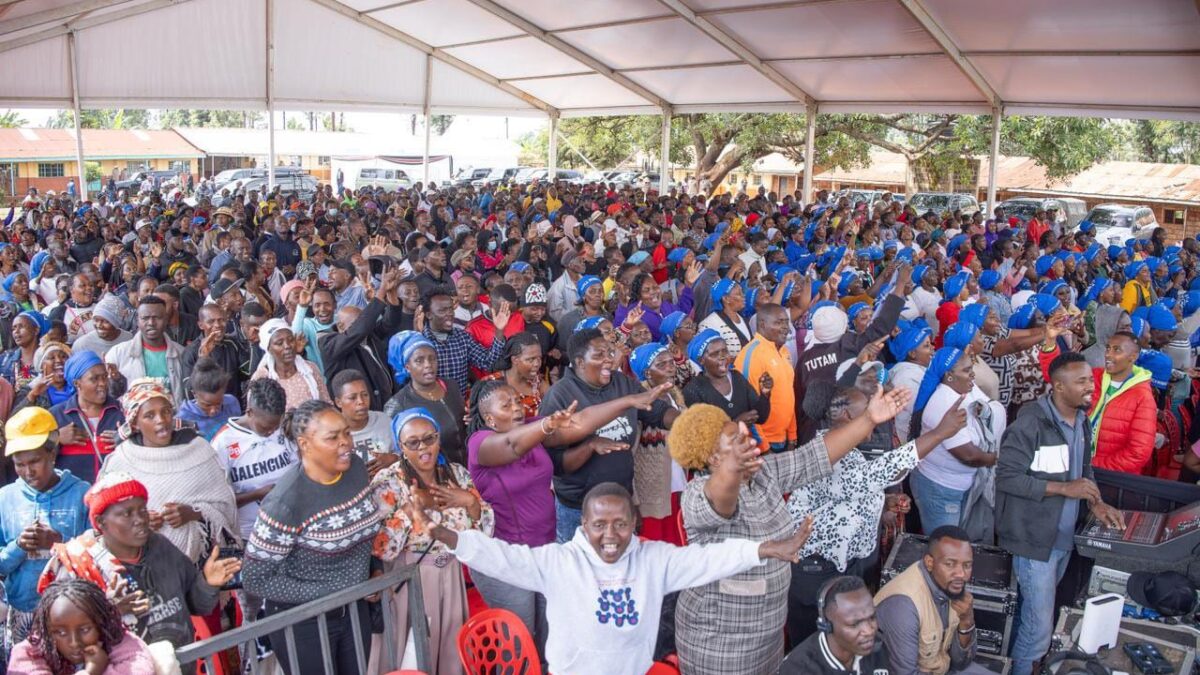
President William Ruto Kenya Singapore’s transformation journey starts tomorrow as the head of state announced plans to launch a landmark national infrastructure fund aimed at raising Sh5 trillion to propel the country toward a high-income economy modelled after the Asian city-state’s success story.
Speaking during a development tour and church service in Kiambu County on Sunday, Ruto outlined an ambitious roadmap that begins with the fund’s unveiling at a major investors’ conference in Nairobi. He described the initiative as the cornerstone of Kenya’s long-term vision to build world-class ports, railways, digital highways, and industrial parks that mirror Singapore’s efficient systems.
“The journey to the Singapore dream begins tomorrow. We are going to unveil a national infrastructure fund that we will use to collect Sh5 trillion that will transform Kenya into Singapore,” he told cheering congregants.
The fund will pool resources from domestic savings, pension schemes, diaspora remittances, and strategic foreign partnerships, with the initial target of mobilising Sh500 billion in the first phase. Government officials say structured bonds, public-private partnerships, and contributions from county revenues will form the backbone, ensuring sustainable financing without heavy reliance on loans.
Ruto highlighted Singapore’s evolution from a poor nation to a global financial hub through disciplined planning and massive infrastructure investments. He pointed to projects like the Standard Gauge Railway expansion, Lamu Port developments, and the upcoming Konza Technopolis upgrades as early steps already aligning Kenya with that trajectory.
The president promised transparency through an independent oversight board comprising experts from the finance, engineering, and governance sectors.
Analysts project the Sh5 trillion could fund transformative initiatives over the next two decades, including smart cities in Nairobi and Mombasa, high-speed internet coverage nationwide, and green energy grids. They note Singapore’s success stemmed from corruption-free implementation and merit-based systems, areas where Kenya has introduced digital tracking and open bidding to address past challenges.
Youth representatives expressed optimism, with university students citing opportunities in technology and innovation sectors that Singapore dominates globally.
International partners, including development banks and Asian investors, have expressed interest in co-financing flagship components. Diplomats praised the aspiration, offering technical advisory support based on their experience transitioning from developing to developed status within a generation.
As preparations intensify for Monday’s launch at the state house after the cabinet meeting, Kenya’s dream shifts “From Vision 2030 to Singapore 2063”, reflecting the extended timeline for full realisation.
Community leaders in rural areas anticipate spillover benefits like feeder roads and electrification that often accompany mega projects. Farmers in the Rift Valley look forward to improved transport links reducing post-harvest losses, while coastal residents eye enhanced port facilities boosting tourism and exports.
The president’s repeated references to Singapore show a shift toward benchmarking against proven models rather than abstract goals. He reminded audiences that disciplined savings and strategic spending turned a resource-scarce island into a powerhouse, a path Kenya can emulate with its young population and strategic location.
Kenyans from all walks of life are eagerly awaiting details on how ordinary citizens can participate and benefit from the launch of the national infrastructure fund. The launch marks a pivotal moment in redefining national aspirations, blending bold ambition with structured financing to chase the Singapore dream over coming decades. For many, tomorrow represents not just another policy announcement but the potential starting line for generational change.
Related Posts

Malindi Pastors Hold Prayers at Lost Beach to Stop Summer Tides’ Return
Religious leaders gathered at Lost Beach in Malindi days after the Summer Tides festival ended. They prayed for purity restoration and spoke strongly against future…
Chirchir, Private Donors Transform Kipketii School Into Modern Hub
Roads chief Davis Chirchir handed over the upgraded Kipketii school in Bomet County to excited students and leaders this week. Private groups poured funds into…

Kiraitu Murungi: Ruto Has Never Lost an Election
Veteran politician Kiraitu Murungi praised President William Ruto as undefeated in every vote he contested during a funeral service this week. The remarks came at…
Coast Panic Grows Genital Theft Hoax Sparks Deadly Attacks
Fear grips streets across Mombasa and nearby counties as residents chase strangers over wild genital theft rumours. Officials now sound the alarm on this hoax…