
Treasury Advisors Pocket Sh2.3 Billion Fees from Safaricom Stake Sale to Vodacom

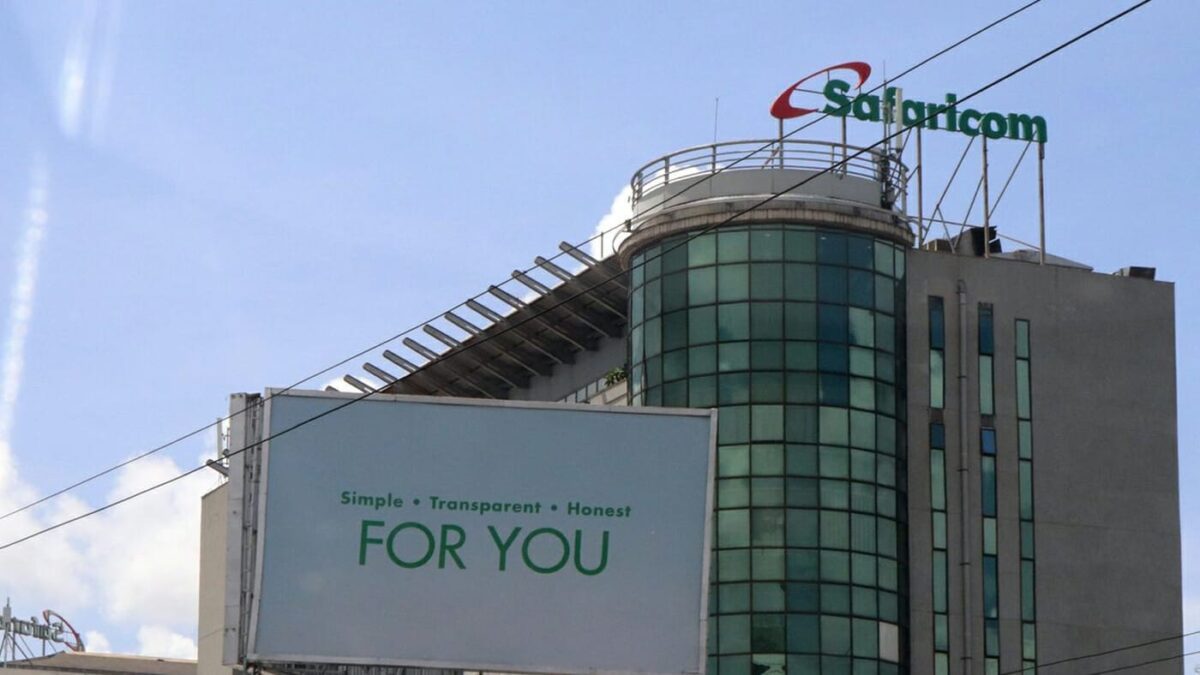
The financial advisors who structured and executed the Kenyan Treasury’s disposal of a 15 per cent stake in Safaricom to South African telecom giant Vodacom will share close to Sh2.3 billion in success fees, broking commissions, and related stamp duty costs, multiple sources familiar with the transaction told Business Daily.
The blockbuster deal, valued at approximately Sh43 billion, saw the National Treasury offload 6 billion Safaricom shares to Vodacom in one of the largest secondary equity transactions ever recorded on the Nairobi Securities Exchange.
Market insiders say the hefty advisory payout reflects both the complexity of the placement and the premium pricing achieved despite volatile market conditions and patriotism.
A consortium led by global investment banks and supported by local broking houses handled the accelerated book-building process that attracted strong demand from institutional investors across Africa, Europe, and the Middle East.
Sources indicate the fee structure included a base retainer plus a success component tied to the final price per share, which closed well above initial guidance levels.
Industry experts note that transaction advisory fees for large-cap equity sales in Kenya typically range between 0.5 per cent and 1.5 per cent of deal value, putting the Sh2.3 billion payout comfortably within market norms for a placement of this magnitude. The package also covers stamp duty at 0.1 per cent payable to the Capital Markets Authority and other regulatory costs.
The National Treasury has defended the expense, stating that the sophisticated advisory support helped maximise returns for Kenyan taxpayers while ensuring broad international participation.
Officials point out that the sale price represented only a modest discount to Safaricom’s prevailing market value, delivering far better value than previous government divestitures.
Local broking firms that participated in the selling group are expected to receive the largest slice of the commission pool, with some mid-tier stockbrokers reportedly earning eight-figure commissions for distributing blocks to domestic pension funds and high-net-worth clients.
Market watchers say the lucrative payout underscores the growing sophistication of Kenya’s capital markets and the increasing willingness of global players to pay premium fees for access to high-quality East African assets.
The Safaricom transaction marks the second multi-billion-shilling advisory windfall this year after the recent IPO of a major renewable energy platform.
While exact fee breakdowns remain confidential under non-disclosure agreements, conservative estimates suggest lead managers could each take home between Sh400 million and Sh700 million depending on their tier in the syndicate.
Legal advisors handling due diligence and regulatory approvals are also understood to have billed several hundred million shillings collectively.
The Treasury’s successful exit from part of its Safaricom holding reduces direct government ownership in Kenya’s most valuable company to around 20 per cent and frees up fiscal space for infrastructure spending in the 2025/26 budget.
Analysts expect the deal signals renewed investor confidence in Kenyan equities after two years of foreign outflows triggered by elevated interest rates and currency pressures.
As competition intensifies among investment banks chasing scarce large-ticket mandates across Africa, such substantial fee pools are likely to remain a key attraction for top talent despite occasional public criticism over costs to taxpayers.
Safaricom continues trading near all-time highs; shareholders who held through the placement have seen immediate paper gains on the remaining government stake, now valued at over Sh120 billion.
Related Posts

Lumumba Vea Signs Rexona Deal at 2026 World Cup
Congolese superfan Lumumba Vea signs Rexona deals with the 2026 World Cup in Mexico after his motionless tribute pose captured global attention. The passionate supporter…

Doky Dorcas Sets New Guinness Record for Fastest Chapatis
Doky Dorcas claimed the title for the fastest chapatis when she whipped up three fresh ones in record time at Ongata Rongai on December 15,…
Ruto Fires Back at Gideon Moi Accusing Him of SG Media Headlines…
President William Ruto hit out sharply at Gideon Moi and Standard Media over what he calls daily extortion through headlines. The strong social media post…
Banking for Business Growth – Don’t Miss This Masterclass By Co-op Bank
Starting and growing a business comes with many opportunities, but it also requires the right financial support to succeed.Join us this Friday as we explore…