
US Muslim Brotherhood Leader aims for 50 Congress Members, and Sharia Plan
 Ibrahim Mohamed — December 13, 2025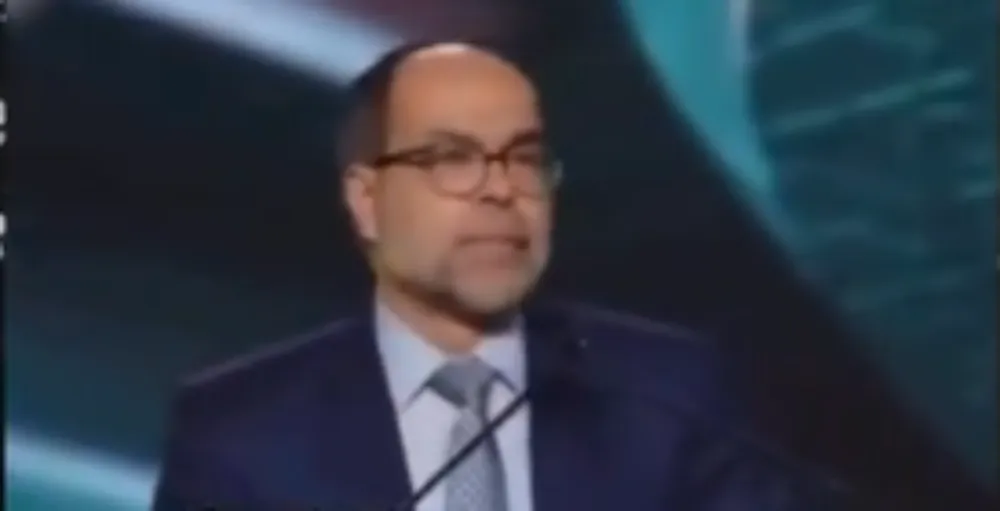
The Muslim Brotherhood leader openly says they hope to have 50 members of Congress in the next 6 years and then brags that this is how they will dismantle America and replace it with a Sharia system. Muslim Brotherhood leader 50 Congress members Sharia plan claims have resurfaced in online discussions, fuelled by viral social media posts alleging that a prominent figure associated with the organisation boasted about electing dozens of lawmakers to gradually impose Islamic law and reshape American governance over the coming years.
The assertions, which gained traction on social platforms, reference older statements attributed to individuals linked to Muslim Brotherhood-affiliated groups in the United States.
Critics point to remarks from leaders in organisations such as the Council on American-Islamic Relations (CAIR), often described by opponents as a Brotherhood offshoot, where speakers envisioned training thousands of young Muslims for influential roles in media, law, and politics.
Clips circulated from a 2023 and 2025 conference feature a CAIR executive discussing ambitions for significant Muslim representation in Congress within a decade, framing it as empowerment through civic participation rather than subversion.
Conservative commentators and national security hawks seized on the narrative, interpreting it as evidence of a long-term strategy to “dismantle” constitutional principles in favour of Sharia-based systems. Netizens amplified the claim that the goal involves placing at least 50 sympathetic members in the House and Senate by the early 2030s to influence legislation on family law, education, and foreign policy.
The Muslim Brotherhood, founded in Egypt nearly a century ago, maintains branches and affiliates worldwide, promoting Islamic revival through social services, education, and political engagement.
Designated a terrorist organisation by several nations, including Egypt, Saudi Arabia, and the United Arab Emirates, it faces ongoing scrutiny in the West for alleged ties to extremists. The U.S. does not officially label the group as a terrorist, but it does blacklist affiliates such as Hamas.
Muslim Brotherhood leader openly says they hope to have 50 members of Congress in the next 6 years, and then brags that this is how they will dismantle America and replace it with a Sharia system.
— Dr. Maalouf (@realMaalouf) December 13, 2025
People need to wake up. pic.twitter.com/f6VqW8gc0o
Recent executive actions under the Trump administration have targeted specific Brotherhood chapters in Lebanon, Jordan, and Egypt for potential foreign terrorist designations, citing support for violence and anti-Western ideologies.
Lawmakers, including Senator Ted Cruz and Representative Chip Roy, renewed pushes for broader sanctions, arguing that infiltration risks extend to domestic advocacy networks.
Supporters of American Muslim organisations dismiss the claims as recycled Islamophobia, emphasising that political aspirations reflect growing demographic diversity and First Amendment rights. Community leaders highlight contributions to interfaith dialogue and civil rights, rejecting any agenda to replace the Constitution.
Analysts tracking Islamist movements observe that the Brotherhood’s ideology includes applying Sharia in Muslim-majority contexts, whereas U.S.-based groups operate within democratic frameworks, focusing on voter mobilisation and anti-discrimination efforts.
Population projections show Muslims comprising around 2 per cent of Americans by mid-century, potentially translating to modest congressional gains through natural political evolution.
Public reactions split sharply along partisan lines, with some forums warning of “civilisation jihad” through electoral means while others called for nuance amid rising hate incidents against Muslim communities. Advocates for civil liberties cautioned against making generalisations that could stifle legitimate participation.
The controversy underscores ongoing tensions over religious freedom, national security, and pluralism in a diversifying nation, with no evidence of an active plot matching the viral descriptions. Monitoring groups continue assessing influence operations, but mainstream Muslim representation remains focused on integration rather than transformation.
Related Posts
President Museveni Calls Sex Denial In Marriage Jailable Offense
Uganda President Yoweri Museveni stirred fresh controversy when he declared denying your partner sex a big offence that could land people in jail. The veteran…

Uri Geller Cancels Witch Doctor Nana Kwaku Curse on Harry Kane
Uri Geller stepped in to cancel the witch doctor’s curse on Harry Kane right before England faced Ghana in the World Cup. The Israeli-British illusionist…
Didier Deschamps Mourns Mother’s Death Ahead of Norway Game
France national team coach Didier Deschamps faces sudden heartbreak as news of his mother’s death spreads through the football world. The long-time leader will fly…
JD Vance Delivers Blunt Warning to Netanyahu Government
Vice President JD Vance issued a fierce warning to Benjamin Netanyahu’s cabinet on Thursday against undermining their crucial American partnership over President Donald Trump’s new…