
Colombian Antonio Busted After African Adult Content Scam
 Adhis Okena — January 18, 2026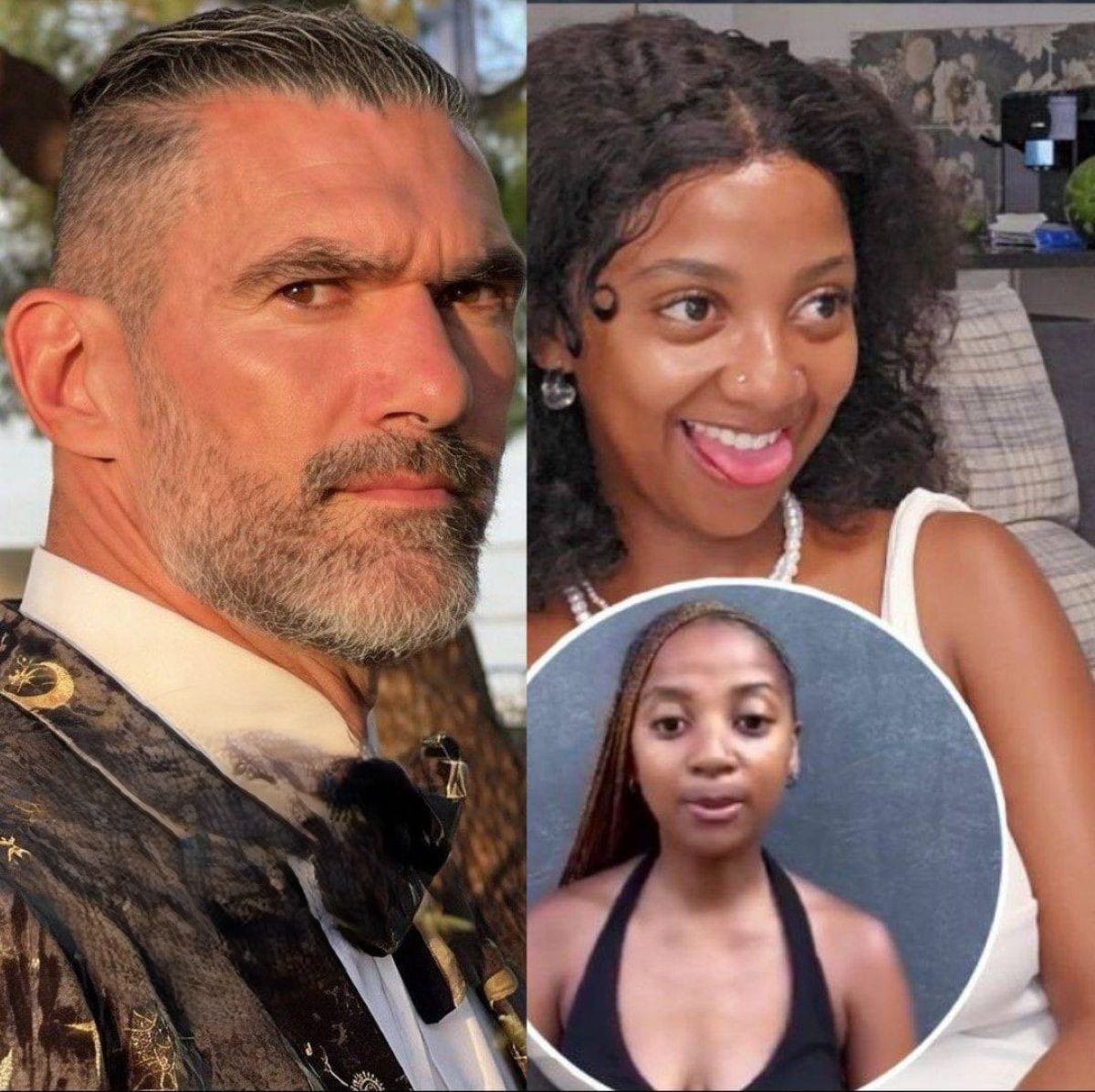
Antonio, a man from Medellín in Colombia as ringleader, has been accused of running a network of adult production companies that exploit women across Africa. Social media posts and online reports claim he uses fake casting calls to lure young women into recording explicit content.
The women get small payments while he earns large sums from the videos. Serious allegations include spreading incurable diseases and links to health issues or deaths among participants. These claims surfaced in January 2026 and have spread fast online.
The accusations focus on sites and operations like Afro Casting. Women from South Africa, Kenya and other countries say they responded to ads for modelling or acting jobs. Instead, they faced pressure for sexual scenes.
One case involves a South African woman described as a church girl. Photos show her in modest clothing outdoors and resting indoors. Reports say she took part in videos under false promises. She and others claim no real consent for distribution.
Antonio is said to operate from abroad but target African markets. He allegedly pays little, sometimes peanuts, while videos make millions on paid sites. Victims report health problems after encounters.
One Kenyan woman needed hospital care repeatedly. Another case mentions a woman buried in 2023 after involvement.
Online posts condemn the activities strongly. They call Antonio a sex tourist who should face arrest, heavy fines and deportation. Calls grow for African countries to protect women from such scams. Fake auditions are common risks for hopefuls seeking work in entertainment.
Authorities in South Africa and Kenya have warned about similar scams before. Police advise checking agencies and avoiding private meetings. Cybercrime units handle reports of non-consensual sharing.
This case fits a pattern. Fake casting scams target vulnerable women with dreams of fame or money. Poor economies make offers tempting. Victims often stay quiet from shame. But online exposure brings attention. Support groups urge reporting to police or hotlines.
The church girl from South Africa has not spoken publicly. Her images circulate with the story. Many express sympathy. Posts say she deserved better. Debates focus on consent and exploitation.
Communities call for awareness. Schools and churches teach online safety. Young women get advice on job ads. Real agencies use clear processes.
The story spreads on platforms like TikTok and Facebook. Views climb daily. Comments mix anger and calls for justice. Some share tips to spot fakes. No arrests reported yet. Investigations could follow if victims file formal complaints. For now, warnings circulate to protect others.
This exposure shows risks in the digital age. Dreams can turn to nightmares quick. Stay cautious with unknown offers. Verify everything. African women deserve safe paths to work. Scams like this hurt trust. Stronger rules and education help.
Related Posts

Arrow Bwoy Backlash On Nadia Mukami Side Chick Claim, Ntazola Questions
Arrow Bwoy stirred massive backlash after he publicly described Nadia Mukami as his former side chick during a recent interview. Critics slammed him hard for…

Popular Eldoret Sex Workers Reveal Dark Kalenjin Encounters ‘Niliekwa Missionary Kwa Matope…
A woman who lived in Eldoret for a decade opened up about terrifying nights with certain clients. Sex workers there shared raw stories of betrayal…

Zee Cute Defends Sleeping With Over Ten Men For Money Claim
Tanzanian Bongo Flava star Zee Cute stands firm on her explosive interview statement about sleeping with ten men for cash. The singer made the admission…

Tiffany Fasts To Keep Husband Actor Gabo Zigamba From Second Wife
Bongo Queen Tiffany takes bold steps to protect her marriage as she commits to fasting and praying so her husband, actor Gabo Zigamba, never considers…