
I’m real prophet of God, not ‘self-proclaimed! Prophet Owuor Defamation Letter to Royal Media

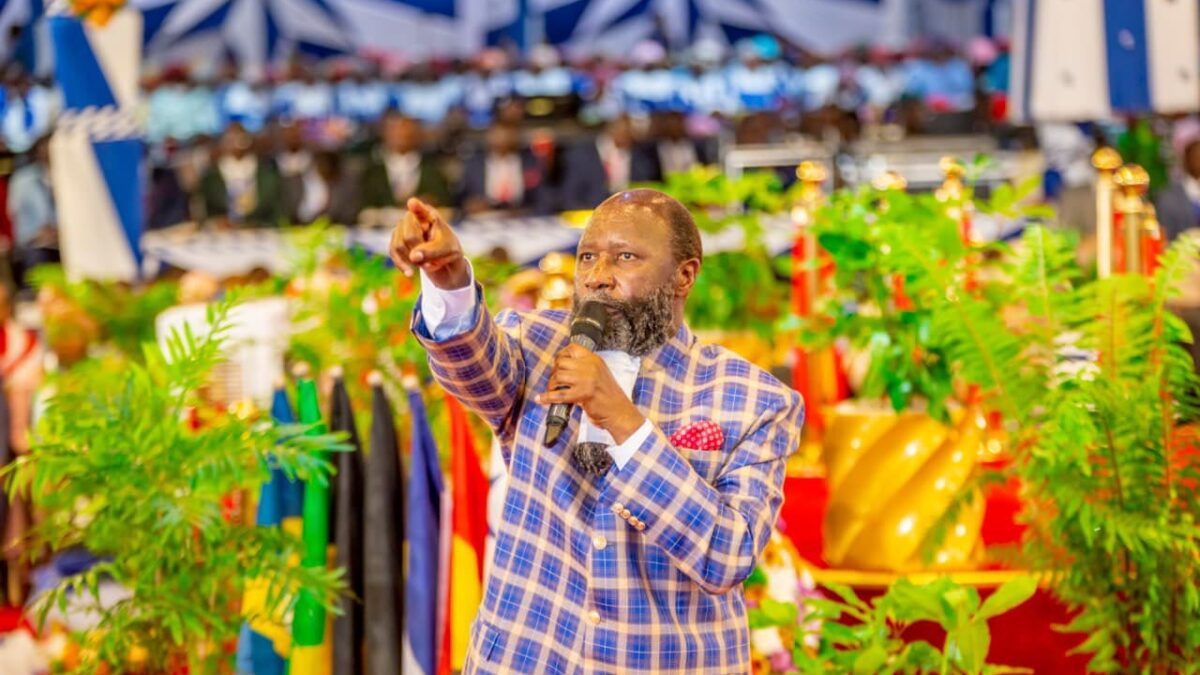
Prophet David Owuor has sent a defamation letter to Royal Media Services, owners of Citizen TV, over their use of the term “self-proclaimed” to describe him in a recent online article. The letter, dated early January 2026 and signed by his lawyers at Odiya & Associates Advocates, demands an immediate retraction and public apology. The letter asserts that the phrasing is inaccurate and detrimental to his standing as a sincere follower of God. The complaint centres on a Citizen Digital story that linked Owuor’s ministry to events in Venezuela and healing at a Nakuru crusade.
The story in question ran a few days ago on Citizen Digital and on Citizen TV. It carried a headline about Prophet Owuor, from praying for Venezuelan leader Nicolás Maduro to claiming miracle healings in Nakuru. The piece referred to him repeatedly as a “self-proclaimed mighty prophet”. Owuor’s legal team says this label is malicious and lowers his standing among followers who see him as directly called by God.
They argue no evidence supports calling him self-proclaimed, pointing instead to years of large gatherings and testimonies from his Repentance and Holiness Ministry.
Owuor, now in his late 50s, started preaching in Kenya around 2004 after time abroad. He built a following through massive open-air crusades in places like Nairobi’s Uhuru Park and the Menengai grounds in Nakuru. Attendees often number in the hundreds of thousands.
He stresses repentance, holiness, and warnings of judgement. Followers credit him with accurate prophecies, like earthquakes or disease outbreaks. Critics, though, question some claims and his lifestyle, including a guarded convoy that sometimes halts traffic.
This latest row ties into fresh scrutiny after his New Year’s crusade in Nakuru at the end of December 2025. Thousands turned up, with many saying they experienced healings from conditions like HIV, cancer, or disabilities. Videos circulated online of people throwing away crutches or medicines.
Health Cabinet Secretary Aden Duale responded by asking the Kenya Medical Practitioners and Dentists Council to investigate. He wanted proof, like medical records before and after. The National Council of Churches of Kenya also spoke out, saying faith healing is fine but no leader should stop people from proper treatment.
The Citizen TV story touched on those healings and an older clip of Owuor praying for Maduro. It painted a picture of burdens on a figure who calls himself mighty.
Owuor’s letter gives Royal Media seven days to pull the article, issue a full apology with equal prominence, and confirm they won’t repeat the term. Failure to comply, it warns, could lead to court action for damages.
Supporters have rallied online. Posts on Facebook and X share copies of the letter, calling the media biased. Some say outlets like Citizen TV sensationalise to boost views.
Others defend press freedom, noting “self-proclaimed” is common for leaders without formal ordination in mainstream churches. Owuor operates independently, not tied to bodies like NCCK.
In Kenya, clashes between media and public figures happen often. Religious leaders sometimes sue over coverage, claiming it hurts their work. Royal Media Services hasn’t replied publicly yet. Past cases show stations sometimes apologise to avoid long trials, while others fight on free speech grounds.
For now, the letter adds to the noise around Owuor’s ministry. Investigations into healings continue, with KMPDC seeking names and records of claimed cures. Former members have shared critical stories online too, alleging control through fear. But loyal followers dismiss that, focusing on what they see as God’s work.
This case might test how media describe controversial preachers. In Nairobi, where Citizen TV is based, journalists face pressure on sensitive topics like faith. As deadlines approach, watchers wait to see if Royal Media backs down or stands firm. Owuor’s team stresses they seek correction, not to silence reporting.
Related Posts
Kiraitu Murungi: Ruto Has Never Lost an Election
Veteran politician Kiraitu Murungi praised President William Ruto as undefeated in every vote he contested during a funeral service this week. The remarks came at…
Coast Panic Grows Genital Theft Hoax Sparks Deadly Attacks
Fear grips streets across Mombasa and nearby counties as residents chase strangers over wild genital theft rumours. Officials now sound the alarm on this hoax…
Voters Flooded With Gifts: Shoes, Mattresses, Gas, Boats, Cash Ahead Of Ol…
Residents in Ol Kalou grab shoes, mattresses, boats and gas cylinders as politicians pour resources into the constituency to win votes. The Ol Kalou by-election…

Goons Demand More Cash, Forcing CS John Mbadi Flees Kisumu
Cabinet Secretary John Mbadi escaped a tense standoff in Kisumu when goons swarmed his waiting chopper. The men demanded more money right in the middle…