
Iran massacre footage leaked, police gun down protesters
 Ibrahim Mohamed — January 11, 2026
Reports of Iran massacre footage being leaked have circulated widely on social media in early January 2026. Videos and claims show armed security forces firing on unarmed civilians during the ongoing protests. These materials spread quickly, often with calls to share them. However, independent verification remains difficult due to Iran’s near-total internet blackout and restricted access for journalists.
The unrest began on December 28, 2025. It started over the sharp drop in the rial’s value and rising living costs. Demonstrations soon grew into calls against the government. Protesters chanted slogans like “Death to the dictator” and referenced the pre-1979 monarchy. The movement has reached all 31 provinces. It is the largest since the 2022 protests after Mahsa Amini’s death in custody.
Security forces have responded with force. Rights groups report dozens killed by live ammunition, tear gas, and beatings. Hospitals in Tehran and other cities have seen overflows of injured people, many with gunshot wounds to the head or eyes. Some accounts describe hundreds of bodies in certain areas.
The government has imposed a communications blackout since January 8. This limits new videos from inside the country. Officials blame foreign powers for stirring violence. They call protesters “rioters” and say security forces protect public order.
Several videos have appeared online. Some show clashes, gunfire sounds, and crowds fleeing. Other clips depict protesters setting fires to buildings or vehicles. One widely shared post claimed to show direct shootings in streets. It gained thousands of views and reposts. Sources like Iran International and opposition groups have shared similar material. They say it comes from inside Iran despite the restrictions. BBC Persian and other outlets have verified the footage of protests.
Human rights organisations express alarm. Amnesty International and Human Rights Watch document unlawful killings and arbitrary arrests. They note patterns from past crackdowns. The UN has called for an end to violence and restoration of internet access. Nobel winner Shirin Ebadi warned of possible massacres hidden by the blackout. Reports mention hospitals raided to detain wounded protesters.
The government denies mass killings. State media shows pro-regime rallies and reports casualties among security personnel. They accuse protesters of being armed or backed by the US and Israel. President Donald Trump has commented on the situation. He said the US stands ready to help protesters and warned against killings. This has drawn strong responses from Tehran.
Protests continue in places like Tehran, Mashhad, Zahedan, and Karaj. Crowds gather after Friday prayers or at night. Some burn symbols of the state. Others hoist the lion and sun flag. The movement draws students, workers, and diverse groups. It reflects deep frustration with the economy and governance.
As of January 11, 2026, the situation stays tense. Exact numbers of deaths and injuries are hard to confirm. The blackout makes independent reporting tough. Videos that surface add to the urgency. They fuel calls for attention to the human rights concerns. The protests highlight long-standing issues in Iran. Many hope for a peaceful resolution. Others fear further escalation.
The full impact of any leaked footage depends on verification. Right now, it contributes to the global conversation about the events unfolding there. People around the world watch closely. The story develops day by day.
Related Posts
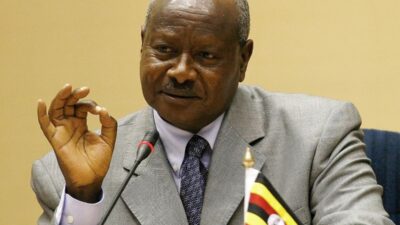
President Museveni Calls Sex Denial In Marriage Jailable Offense
Uganda President Yoweri Museveni stirred fresh controversy when he declared denying your partner sex a big offence that could land people in jail. The veteran…
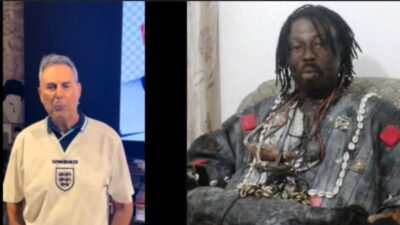
Uri Geller Cancels Witch Doctor Nana Kwaku Curse on Harry Kane
Uri Geller stepped in to cancel the witch doctor’s curse on Harry Kane right before England faced Ghana in the World Cup. The Israeli-British illusionist…
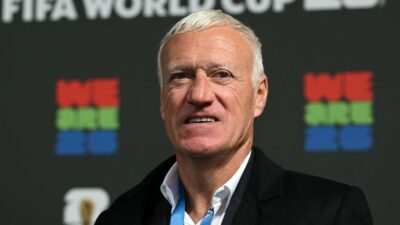
Didier Deschamps Mourns Mother’s Death Ahead of Norway Game
France national team coach Didier Deschamps faces sudden heartbreak as news of his mother’s death spreads through the football world. The long-time leader will fly…
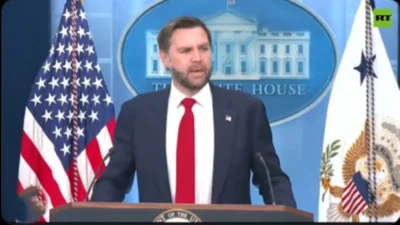
JD Vance Delivers Blunt Warning to Netanyahu Government
Vice President JD Vance issued a fierce warning to Benjamin Netanyahu’s cabinet on Thursday against undermining their crucial American partnership over President Donald Trump’s new…