
Irungu Houghton Resigns from Kenya Protest Victims Panel

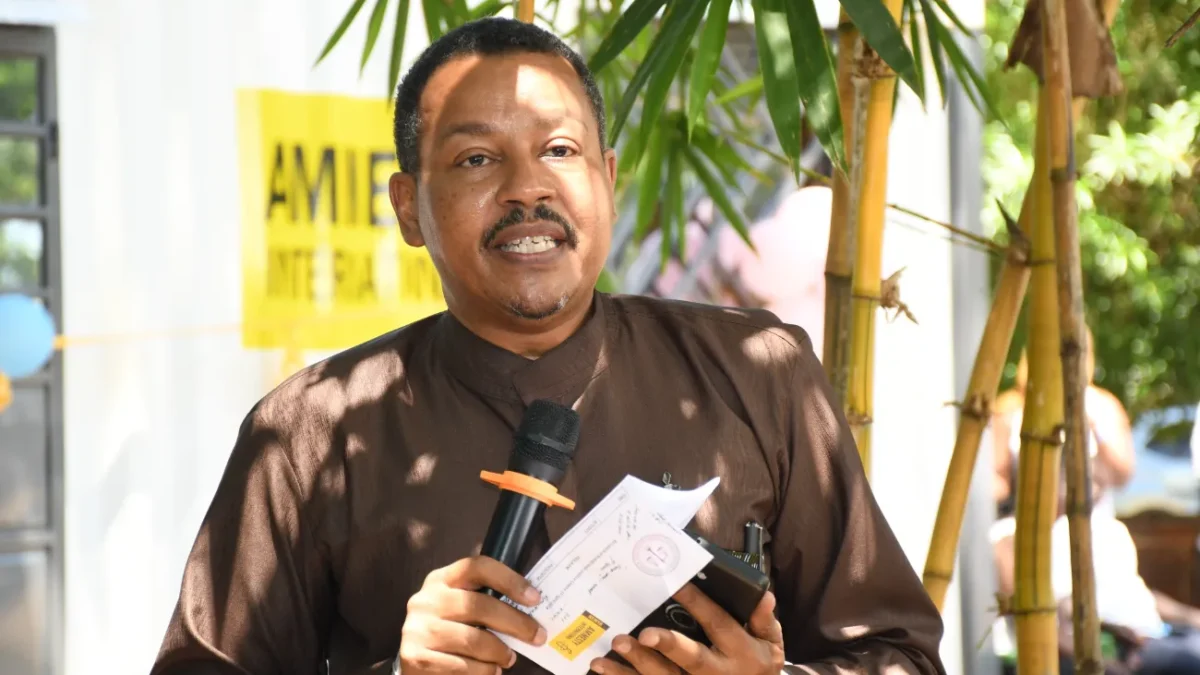
Irungu Houghton has resigned from the Panel of Experts on Compensation of Victims of Demonstrations and Public Protests, citing a recent High Court ruling that called the group’s setup unconstitutional. The Amnesty International Kenya boss made his move today, January 9, 2026, in a letter to panel chair Makau Mutua. This comes just days after President William Ruto extended the panel’s term, a decision that Houghton says ignores the court’s orders.
Houghton, who’s led Amnesty in Kenya for years, joined the panel back in August 2025 in his personal role. The group was put together by Ruto to handle payouts for folks hurt or killed in protests going back to 2017.
That includes the big Gen Z demos against the finance bill in 2024 and 2025, where police actions left over 60 dead and hundreds injured across places like Nairobi and Kisumu. The panel aimed to check claims, sort them out, and recommend payments. They got sworn in on September 4, 2025, at the judiciary offices, with 18 members, including lawyers and rights experts.
Things went south quick. On September 9, 2025, the High Court in Kerugoya hit pause on the panel after a challenge from groups saying it stepped on the toes of the Kenya National Commission on Human Rights, or KNCHR.
That’s the official body for dealing with rights abuses. Houghton stepped back right then, saying he’d wait for the court’s word out of respect for the law. He didn’t go to meetings after the oath.
The full ruling came on December 4, 2025. Judge Abigail Mshila said the president overstepped by creating this extra group. She ruled that the KNCHR handles investigations and advice on compensation, not some new panel. It was a win for folks arguing the setup bypassed proper channels. KNCHR welcomed it, saying it cleared up their role in helping victims.
But on January 5, 2026, Ruto’s office tweaked the panel’s job through a gazette notice. Now it’s just advisory, meant to guide the president based on KNCHR reports.
They stretched the term to 180 days from the original 120. Houghton saw that as defying the court. In his letter, he wrote the extension wrecked the panel’s legal standing. “Continuing would risk making an illegal setup seem normal,” he said. He wants full compliance with the ruling to get justice moving for families.
Houghton’s not alone in bailing. Law Society of Kenya head Faith Odhiambo quit as vice chair in October 2025. She said legal fights and the halt made work impossible, plus it might hurt her group’s independence. Odhiambo had defended joining at first, but the court mess changed things.
Then there’s the appeal drama. On December 15, 2025, the panel filed to block the ruling while appealing. Houghton’s name got listed as an appellant, but he says no one asked him.
He found out on January 8 and called it a mistake. “I disown that move,” he stated in the letter. It went against his views in a newspaper piece on December 6, where he pushed for handing over to KNCHR.
This all ties back to the protests. Young Kenyans hit the streets over taxes and living costs, facing tear gas and bullets. Rights groups like Amnesty documented killings and abductions. The panel was Ruto’s response, promising accountability. But critics called it a dodge, avoiding real probes into police bosses.
Now, with Houghton out, questions linger on payouts. KNCHR says they’re ready to lead, but families wait. In Nairobi slums where many victims lived, folks say delays add pain. One mother from Mathare told reporters last month her son’s death needs answers, not just cash.
Chair Makau Mutua says the panel followed the ruling by going advisory and appeals for clarity on big questions. The government insists compensation will happen. But Houghton’s exit spotlights tensions between quick fixes and sticking to the constitution.
Houghton ends his letter urging focus on victims. He’s fought for rights since the 90s, from Moi-era crackdowns to now. This resignation fits his style: principled, not flashy. As appeals drag, Kenyans watch if real change comes or if it’s more talk.
In places like Kerugoya, where the case started, locals hope the court win means faster help. For now, the panel limps on without key voices. More updates could come as the appeal court weighs in.
Related Posts
Voters Flooded With Gifts: Shoes, Mattresses, Gas, Boats, Cash Ahead Of Ol…
Residents in Ol Kalou grab shoes, mattresses, boats and gas cylinders as politicians pour resources into the constituency to win votes. The Ol Kalou by-election…

Goons Demand More Cash, Forcing CS John Mbadi Flees Kisumu
Cabinet Secretary John Mbadi escaped a tense standoff in Kisumu when goons swarmed his waiting chopper. The men demanded more money right in the middle…

Mathare Families Drag IG Kanja To Court Over Missing Men
Families from Mathare took bold action in the High Court today as they seek orders forcing Inspector General Douglas Kanja to bring their loved ones…
Gachagua Expose Ruto’s Sh80M House Gift to IEBC Chair Ethekon
Rigathi Gachagua dropped bombshell claims today that President William Ruto purchased an expensive property worth 80 million shillings in Karen for the new IEBC chairman…