
Maduro Offers US Talks on Drugs and Oil Amid Caracas Explosions

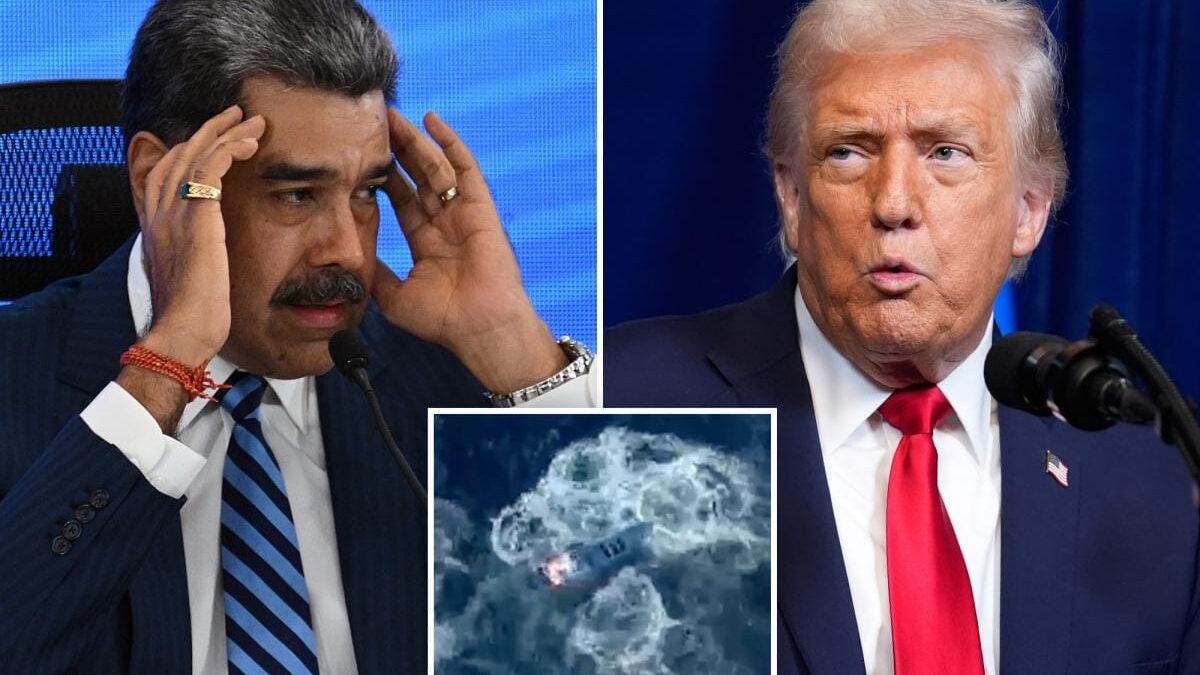
Venezuelan President Nicolás Maduro said his country is open to talks with the United States on drug trafficking and oil investment. He made the comments in a New Year’s interview aired on state television on January 1.
Maduro told a Spanish journalist that Venezuela is ready for serious discussions “wherever they want and whenever they want.” He denied US claims that his government runs a narco-state and said the real goal is control of Venezuela’s resources.
Maduro pointed to Chevron as an example. The US company is the only major American firm still exporting Venezuelan crude. “If they want oil, Venezuela is ready for US investments like with Chevron,” he said. He also offered cooperation against narcotics, saying cocaine mostly comes from Colombia.
The interview came after months of US pressure under President Donald Trump. Since September 2025, American forces have struck over 30 boats accused of drug smuggling, killing at least 115 people.
There was also a CIA drone strike on a Venezuelan dock facility late last year. Maduro avoided direct comment on that strike, saying he might talk about it later.
Then, early on January 3, explosions rocked Caracas. Witnesses reported at least seven blasts around 2 a.m., along with low-flying aircraft. Smoke rose near military sites like Fort Tiuna and La Carlota Airport. Power went out in parts of the city. People ran into streets in several neighbourhoods.
The Venezuelan government quickly blamed the US. Officials called it a “grave military aggression” on civilian and military targets. Attacks hit Caracas and states like Miranda, Aragua, and La Guaira. Maduro declared a national emergency and ordered defence plans activated.
US media reported unnamed officials confirming American involvement. Sources said Trump ordered strikes on military facilities inside Venezuela. The White House and Pentagon have not commented publicly yet.
A day earlier, on January 2, Maduro met a top Chinese envoy in Caracas. Qiu Xiaoqi, special representative for Latin America, led the delegation. They discussed strengthening ties amid the tensions. China is Venezuela’s key partner for oil and loans.
This all fits a bigger picture of strained relations. Trump has called Maduro’s regime a terrorist organisation and blocked oil tankers. Sanctions and seizures cut Venezuela’s exports in half. Maduro says it’s about grabbing oil, gold, and other resources.
Regional leaders reacted. Colombia’s president called for UN and OAS meetings. The FAA banned US flights over Venezuela due to military activity.
Casualties from the blasts remain unclear. No official numbers yet on deaths or damage. Social media showed smoke and flashes across the city.
Maduro’s offer for talks might aim to ease pressure. But with fresh strikes, any dialogue looks far off. The situation stays tense as both sides watch the next moves.
Venezuela holds the world’s largest oil reserves. Economic crisis there pushed millions to leave. Drug routes through the region fuel US concerns. For now, Caracas residents deal with the aftermath. Power outages and fear linger. International eyes stay on how this unfolds.
Related Posts
President Museveni Calls Sex Denial In Marriage Jailable Offense
Uganda President Yoweri Museveni stirred fresh controversy when he declared denying your partner sex a big offence that could land people in jail. The veteran…
Uri Geller Cancels Witch Doctor Nana Kwaku Curse on Harry Kane
Uri Geller stepped in to cancel the witch doctor’s curse on Harry Kane right before England faced Ghana in the World Cup. The Israeli-British illusionist…
Didier Deschamps Mourns Mother’s Death Ahead of Norway Game
France national team coach Didier Deschamps faces sudden heartbreak as news of his mother’s death spreads through the football world. The long-time leader will fly…
JD Vance Delivers Blunt Warning to Netanyahu Government
Vice President JD Vance issued a fierce warning to Benjamin Netanyahu’s cabinet on Thursday against undermining their crucial American partnership over President Donald Trump’s new…