
Meru Family Confines Disabled Boy in Dog Structure for Years

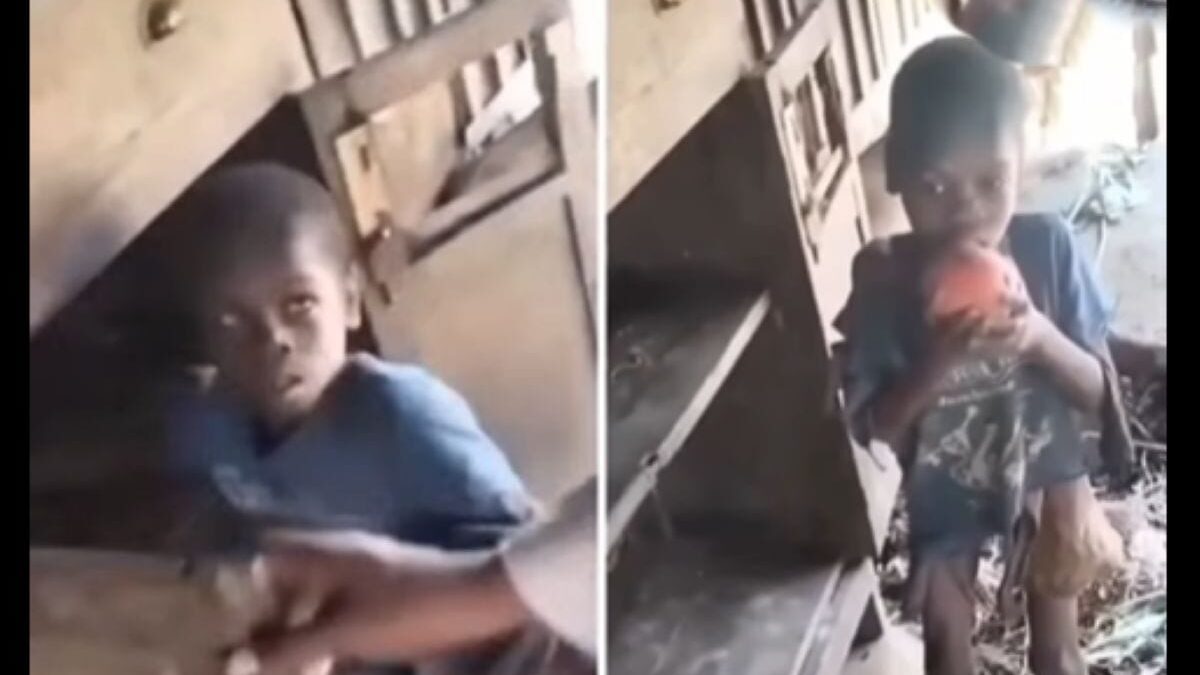
A shocking video from Meru County shows a family confines disabled boy in a pen-like structure, sparking outrage across Kenya after clips spread like wildfire on social media. The footage, which surfaced online in late January 2026, captures heartbreaking moments of a young man with disabilities kept in a cramped enclosure for what family members claim has been seven years, fed scraps in a way that many compare to treating an animal. Viewers called it inhumane, with calls pouring in for authorities to step in and rescue him right away.
The video first popped up on platforms like Facebook and X, showing the boy chained up in a makeshift shelter without basics like a proper bed or toilet. His grandfather, speaking in the local Kimeru language, explained they locked him there because he tends to break things around the house due to his condition.
He mentioned the child can’t hear or speak, and they’ve never taken him for a medical check-up. A woman in the clip tried to say something but got cut off, her eyes welling up as the talk went on. It’s clear the family sees it as their only option, but outsiders watching can’t stomach it.
Details trickled out as the story gained traction. It turns out that the boy’s mother passed away seven years ago, leaving him with relatives who have struggled to manage his autism and other challenges. Without her, they resorted to this setup to keep him from wandering or causing damage.
No one’s sure about his exact age, but he looks like a young adult, thin and unkempt from years in confinement. Feeding happens through bars or tossed in, which is where the “like a dog” part comes from – a description that’s stuck and fuelled the anger.
People online didn’t hold back. Former Nairobi governor Mike Sonko posted asking for location details, saying he’s certain his neighbours know more and could help get the boy into a special school. “This ward has people who could assist – I don’t get why he hasn’t been helped,” he wrote, tagging child protection groups.
Others echoed that, with one user saying, “Those grandparents belong in custody while we sort this out.” Another vented, “She didn’t deserve kids if this is how she treats them – God have mercy, he can’t even walk straight.” The pain in those comments shows how deep this hits, especially in a country where family ties run strong but resources for disabilities often fall short.
Not everyone’s buying the story at face value, though. Comedian Eric Omondi stepped in, claiming it’s all a setup to tug at heartstrings and collect cash from well-meaning Kenyans.
He said the woman in the video isn’t even the boy’s real mom and was working with someone else to exploit the situation using a child who doesn’t belong to her. If true, it wouldn’t be the first time viral sob stories turn out to be cons – remember those fake hardship tales that rake in donations? Police might need to look into that angle too.
Meru County has seen its share of tough family situations, but this one stands out for the sheer length of time – seven years locked away. Child rights groups like the Kenya National Commission on Human Rights have been tagged in posts, urging quick action.
“No kid deserves torture like this, no matter the reason,” one activist shared. Special homes exist for cases like his, with therapy and care to help manage behaviours without chains or pens. If relatives can’t cope, handing over to professionals makes sense, not this.
They noted the online storm, with debates on whether poverty or ignorance plays a bigger role. In rural spots, access to doctors or schools for special needs is spotty, leaving people to improvise in ways that cross lines.
If authorities move fast, the boy could get rehab, learn skills, and maybe even communicate better. Stories like his remind us help is out there – NGOs, government programmes – but families need to know how to reach them.
As the video keeps circulating, more eyes turn to Meru. Will someone track down the exact spot and get him out? Sonko’s offer to connect with special schools gives hope.
In the meantime, the footage serves as a tough wake-up: disabilities don’t mean discarding someone. Treat them with dignity; find real solutions. Kenya can do better for its kids. Heartbreaking as it is, maybe this exposure leads to change. If it’s legit, rescue him now. If a hoax, expose the fakers. Either way, no one should live like that.
Related Posts
Voters Flooded With Gifts: Shoes, Mattresses, Gas, Boats, Cash Ahead Of Ol…
Residents in Ol Kalou grab shoes, mattresses, boats and gas cylinders as politicians pour resources into the constituency to win votes. The Ol Kalou by-election…

Goons Demand More Cash, Forcing CS John Mbadi Flees Kisumu
Cabinet Secretary John Mbadi escaped a tense standoff in Kisumu when goons swarmed his waiting chopper. The men demanded more money right in the middle…

Mathare Families Drag IG Kanja To Court Over Missing Men
Families from Mathare took bold action in the High Court today as they seek orders forcing Inspector General Douglas Kanja to bring their loved ones…

Gachagua Expose Ruto’s Sh80M House Gift to IEBC Chair Ethekon
Rigathi Gachagua dropped bombshell claims today that President William Ruto purchased an expensive property worth 80 million shillings in Karen for the new IEBC chairman…