
President Ruto: No Free Education in Kenya Due to Funding Shortage

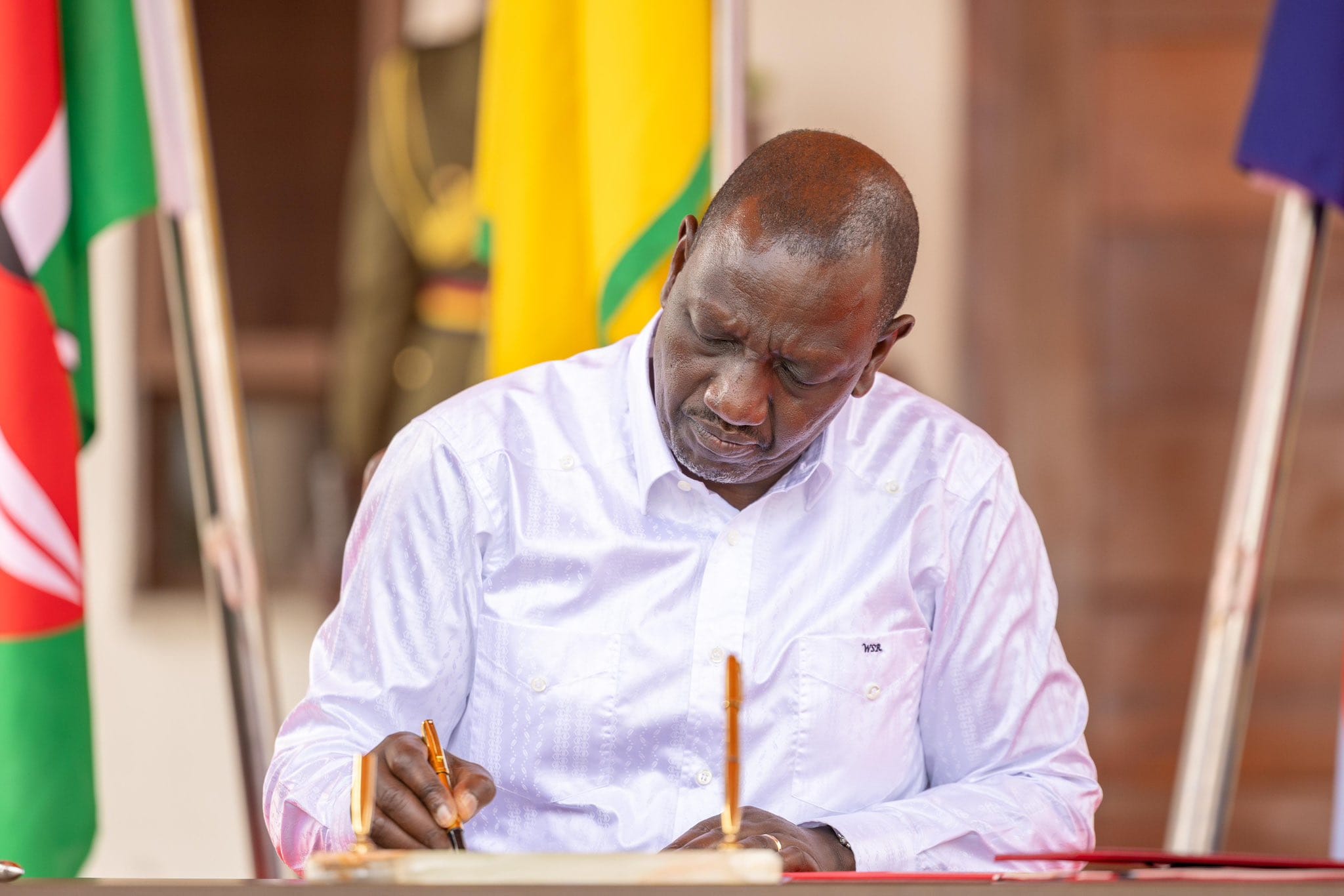
President William Ruto has come out saying Kenya cannot make education fully free because the country lacks enough money, pointing to a recent push that almost shut down universities. In a statement that’s stirred up talks in Nairobi and beyond, Ruto explained the tough spot the government is in with education costs. This comes as schools gear up for the new term, with many parents already worried about fees and capitation delays.
The president’s words hit during a time when education funding is a hot topic. Just last week, on January 4, 2026, Ruto assured folks that Sh44 billion in capitation funds would reach schools before students return. That’s for primary, junior, and senior schools, covering about half the year’s allocation.
He stressed that free primary and secondary education stay in place, with the government pumping more cash into the sector overall. The budget jumped from Sh500 billion to Sh702 billion this year, he noted. But when it comes to universities, it’s a different story. Ruto has admitted that higher learning institutions were on the brink not long ago.
Back in November 2024, Ruto revealed that 23 out of 40 public universities were basically bankrupt and close to closing their doors. That’s a big number, affecting places like Moi University and Egerton, which have seen budget cuts and piling debts.
The total debt for public universities sat at Sh72.37 billion as of March 2025, according to the Controller of Budget. Kenyatta University alone owed Sh14.06 billion. These numbers show why Ruto says full free education isn’t feasible right now.
The government rolled out a new funding model for universities in 2023 to fix some of this. Instead of block grants, students get scholarships and loans based on need. Ruto calls it a game-changer that saved collapsing schools.
Nearly 500,000 students have benefited so far, he said in his State of the Nation address last November. But critics point out gaps. An Auditor-General report from July 2025 showed Sh117 billion in underfunding for public education overall. That means strained resources, from teacher shortages to poor infrastructure.
Ruto also mentioned stopping the placement of students in private universities because the government couldn’t pay up. “We had a system; I had to take the decision to stop,” he said in a speech. This ties into the near-closures he referenced.
Universities like the Technical University of Kenya have faced mismanagement and state neglect, leading to more pain in the latest budget. In May 2025, the Treasury proposed cuts that hit hard on already troubled spots.
On the ground, this affects families across Kenya. In places like Kisumu or Mombasa, parents juggle costs even with capitation. For higher ed, the new model has lowered fees for many—about 60% of first-years pay around Sh28,000 on average, says Education CS Julius Ogamba. That’s better than before, but not free. Some students still drop out over unpaid portions.
Ruto’s administration is hiring teachers to help. They’ve brought in 76,000 since 2022, with 24,000 more coming by January 2026. That’s 100,000 in three years, aimed at closing gaps in classrooms. He also cleared Sh5.6 billion for textbooks.
But lecturers’ strikes linger over unpaid CBAs. The government owes Sh7.76 billion and plans to pay in phases. Treasury CS John Mbadi told MPs in November 2025 they’d settle it over three years.
Despite these steps, calls for fully free education persist. Groups like the Kenya Human Rights Commission push for quality basic education without bursaries.
They argue counties could handle more if functions transfer properly. Ruto differs with some in his cabinet, like Mbadi, who warned of funding strains, but insists the commitment holds.
In Nairobi, where many universities are based, the talk is about long-term fixes. The president says reforms are working, but the funding shortfall remains real. Parents in rural areas like Nyeri or Eldoret feel it most, with kids in day schools facing fee rows. As schools reopen, confusion over structures adds to the mix.
This isn’t just numbers—it’s about Kenya’s future. Ruto’s message is clear: push for free where possible, but reality bites on full coverage. With the 2025/26 applications open, students watch closely.
Related Posts
Ruto Demands Mandatory New Constitution for Vision 2060 Reforms
Kenyan President William Ruto told a national audience this week that the 2010 Constitution forces leaders to seek the people’s approval on major changes rather…
After Claims 2024 Gen Z Were From Illuminati, MP Kagombe Quits UDA
Gatundu South lawmaker Gabriel Kagombe walks away from the United Democratic Alliance this week as he eyes a fresh vehicle in Kenya’s mountain region. The…
Bumula MP Wamboka Criticizes Wetangula’s Uhuru Exit Call
Bumula MP Jack Wamboka yesterday rejected Speaker Moses Wetangula demands that former president Uhuru Kenyatta leave active politics. The lawmaker spoke in Bungoma County and…
New Emurua Dikirr MP David Keter Outrage After Demeaning Woman
Recently elected Emurua Dikirr MP David Keter sparked fierce public anger across Kenya when he publicly told a woman seeking assistance to sit down and…