
Tommy Hilfiger Opens Nairobi Store

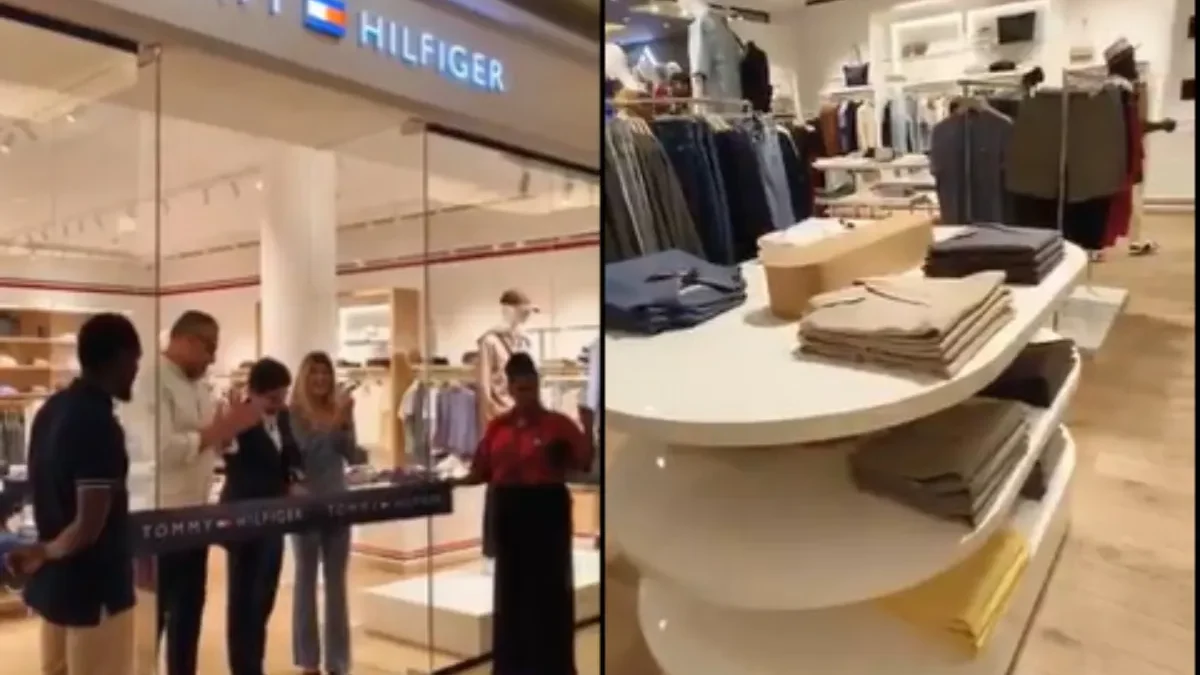
Tommy Hilfiger has opened its first store in Nairobi, marking the premium American brand’s entry into East Africa. The shop launched at Westgate Mall in the upscale Westlands area, drawing crowds and sparking talks about easier access to global fashion. Operated by Gedeon Group Kenya, it stocks a range of men’s and women’s clothing, shoes, bags, and accessories.
The grand opening happened over the weekend, with events kicking off on January 17. Shoppers lined up to check out the collections, which blend classic American style with modern twists. Think polo shirts, denim, and casual wear that the brand is known for.
Gedeon Group, a Lebanon-based company, handles the operations here. They designed the space to match Tommy Hilfiger’s global look, with clean lines and bold red-white-blue accents. Westgate Mall posted about it on social media, calling it a big deal for Kenya’s retail scene. The mall, rebuilt after a 2013 attack, now hosts high-end spots like this one.
Locals had mixed reactions. Many celebrated the jobs it creates. Entry-level roles in sales and stock could help young Kenyans in a tough economy. One Instagram post from the mall showed excited staff in uniforms, ready to serve.
Others joked about the prices. Real Tommy Hilfiger shoes might run 10,000 shillings or more, while knockoffs in Nairobi’s CBD markets go for 2,500. “Why pay a premium when fakes look the same?” one X user quipped. But supporters say it’s about quality and status. No more ordering online or travelling abroad for originals.
This move highlights Nairobi’s rising status as a shopping hub. The city draws brands like H&M, which opened years back, and now luxury names see potential. Kenya’s middle class is growing, with more people earning enough for authentic items.
A YouTube video from a local news channel covered the launch, noting how it boosts employment and brings global trends closer. Westlands, with its mix of offices and homes, fits perfectly. Traffic around the mall picked up, with families and young professionals stopping by.
Tommy Hilfiger started in 1985, founded by the designer himself. It’s part of PVH Corp now, with stores worldwide. Entering East Africa fits their expansion push into emerging markets.
Gedeon Group already runs other brands in the region, so they know the local tastes. One post on Threads shared a video of the store’s interior, shelves stocked with fresh arrivals. Shoppers can find everything from casual tees to formal wear.
Beyond fashion, this signals economic shifts. Kenya’s retail sector grew despite recent challenges like inflation. Malls like Westgate pull in tourists too, from nearby countries.
A TikTok clip showed the opening crowd, with music and giveaways. Some locals worry about affordability, though. With the shilling weak, imports cost more. Still, fans argue it encourages local designers to step up.
Similar openings happened before. Brands like Adidas and Nike have spots in Nairobi, but Tommy brings a preppy vibe that’s new. One Facebook post from the mall urged people to visit, promising styles “you’ll wear on repeat.” It’s on the ground floor, easy to spot.
Fred Kokeyo, a local figure, called it a “defining retail moment” on Instagram. He tied it to Kenya’s global rise. Others shared photos of buys, like bags or jackets.
For the brand, this could open doors to more stores in East Africa. Uganda or Tanzania might follow if sales go well. Gedeon Group hinted at that in comments. Meanwhile, knockoff sellers in markets like Gikomba might feel the pinch, but they cater to different crowds.
In the bigger picture, Nairobi’s malls are evolving. Westgate adds to spots like Two Rivers or Sarit Centre, pulling shoppers from downtown chaos. Security’s tight, and parking’s ample. If you’re in town, it’s worth a look for the experience alone.
This launch comes at a good time, with holidays over and back-to-school shopping underway. Parents might grab kids’ wear, though sizes vary. The store’s open daily, from morning till evening.
Overall, Tommy Hilfiger’s Nairobi debut mixes excitement with reality checks on costs. It shows faith in Kenya’s market, where people increasingly want the real deal over fakes. Watch for sales or events to draw more in.
Related Posts

Lumumba Vea Signs Rexona Deal at 2026 World Cup
Congolese superfan Lumumba Vea signs Rexona deals with the 2026 World Cup in Mexico after his motionless tribute pose captured global attention. The passionate supporter…

Doky Dorcas Sets New Guinness Record for Fastest Chapatis
Doky Dorcas claimed the title for the fastest chapatis when she whipped up three fresh ones in record time at Ongata Rongai on December 15,…

Ruto Fires Back at Gideon Moi Accusing Him of SG Media Headlines…
President William Ruto hit out sharply at Gideon Moi and Standard Media over what he calls daily extortion through headlines. The strong social media post…

Banking for Business Growth – Don’t Miss This Masterclass By Co-op Bank
Starting and growing a business comes with many opportunities, but it also requires the right financial support to succeed.Join us this Friday as we explore…