
Israel Assesses Khamenei Killed in Strikes, Iran Rejects Claim

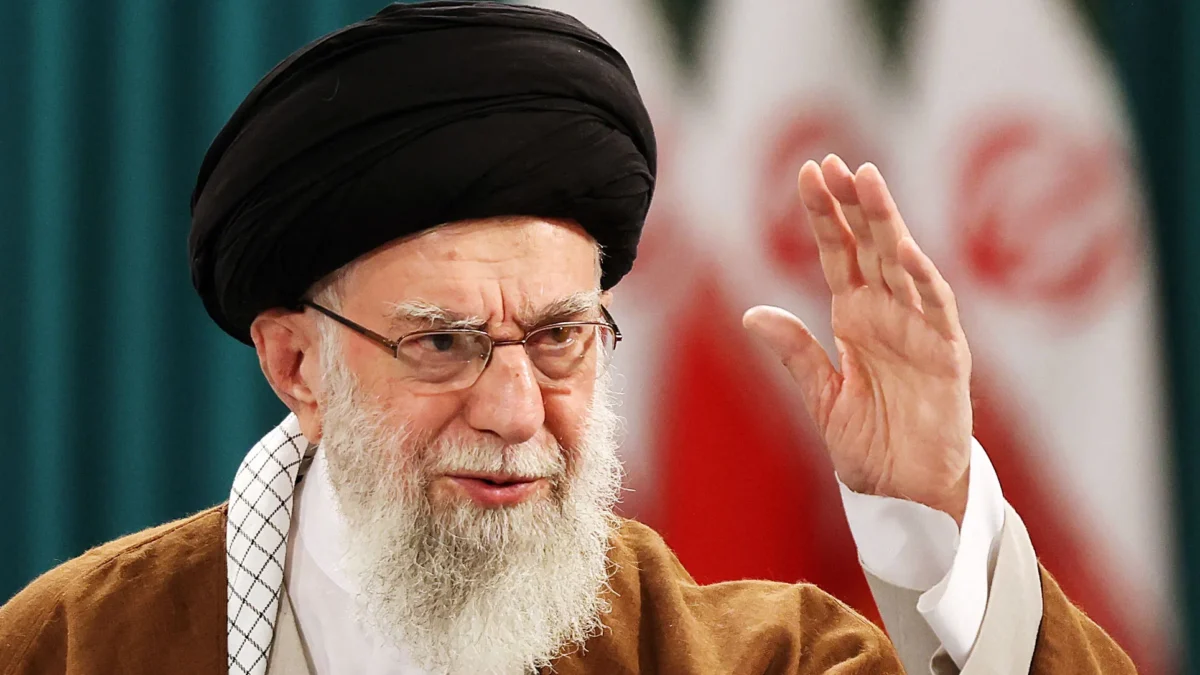
Israel has assessed that Iran’s Supreme Leader Ayatollah Khamenei was killed in recent strikes, according to Channel 12 reports, but Tehran quickly pushed back, saying he will deliver a speech soon.
The claim came from Israeli media citing unnamed sources close to the government. Channel 12 said there are growing signs pointing to Khamenei’s death following the joint US-Israeli operation that hit targets across Iran early Saturday, February 28, 2026.
Reports mentioned his compound in Tehran got heavily damaged or destroyed, with smoke rising from the site in photos that started circulating. Some outlets like N12 and Kan News echoed the assessment, noting no contact with the 86-year-old leader and suggesting any planned address might use pre-recorded material.
Iran hit back fast. State-linked Al-Alam TV announced Khamenei would speak within minutes, framing it as a direct response to the attacks. Foreign Minister Abbas Araghchi told NBC News the supreme leader remains alive “as far as I know,” adding that high-ranking officials survived and the regime stays in control.
Iranian sources told Reuters senior commanders and politicians died in the strikes, but they denied anything happened to Khamenei himself. A senior official confirmed he had been moved to a secure location before the bombs fell, away from Tehran.
This all unfolded after the US and Israel launched what President Trump called Operation Epic Fury to eliminate threats from the Iranian regime. Strikes targeted military sites, nuclear facilities, defence headquarters, and places linked to top leadership, including Khamenei’s offices.
Explosions rocked central and northern Tehran, with air raid sirens blaring and airspace closing. Israeli officials described the hits as necessary to defend against imminent dangers, while Trump urged Iranians to rise against their government.
Confusion spread quickly. Some Israeli sources expressed optimism about the strikes’ success against key figures, including possible deaths of IRGC commander Mohammad Pakpour and Defence Minister Amir Nasirzadeh.
Yet no independent proof confirmed Khamenei’s fate – no body shown, no official Iranian mourning announcement. The gap between Israeli assessments and Iranian denials left the world watching for Khamenei’s voice or image to settle the question.
Khamenei has led Iran since 1989, shaping its hardline stance on the US, Israel, the nuclear programme, and regional proxies. His possible absence would shake the theocracy to its core, especially with President Masoud Pezeshkian also reportedly targeted.
Succession talks often point to his son Mojtaba or other clerics, but nothing is set. The regime has survived past threats, but losing the supreme leader mid-crisis could spark internal power struggles or public unrest.
Online, reactions exploded. Posts on X and other platforms shared the Channel 12 clip, with some celebrating what they called justice for past attacks and others warning of wider war.
Iranians abroad posted mixed feelings – relief from critics of the regime and fear from supporters about chaos ahead. In Tehran, state media showed defiant crowds, but details stayed scarce amid blackouts and restricted info.
The strikes mark a sharp escalation in the long Israel-Iran shadow war, now with direct US involvement under Trump. Tehran promised retaliation, possibly through missiles, drones, or allies in Lebanon, Yemen, or Iraq. For now, all eyes stay on whether Khamenei appears – alive and speaking – or if silence drags on, turning rumour into reality.
As hours tick by on February 28, the situation remains tense and unclear. A speech could calm nerves or rally hardliners; continued quiet might fuel more speculation. Either way, this day has already rewritten headlines in the Middle East and beyond.
Related Posts
President Museveni Calls Sex Denial In Marriage Jailable Offense
Uganda President Yoweri Museveni stirred fresh controversy when he declared denying your partner sex a big offence that could land people in jail. The veteran…

Uri Geller Cancels Witch Doctor Nana Kwaku Curse on Harry Kane
Uri Geller stepped in to cancel the witch doctor’s curse on Harry Kane right before England faced Ghana in the World Cup. The Israeli-British illusionist…
Didier Deschamps Mourns Mother’s Death Ahead of Norway Game
France national team coach Didier Deschamps faces sudden heartbreak as news of his mother’s death spreads through the football world. The long-time leader will fly…
JD Vance Delivers Blunt Warning to Netanyahu Government
Vice President JD Vance issued a fierce warning to Benjamin Netanyahu’s cabinet on Thursday against undermining their crucial American partnership over President Donald Trump’s new…