
Kenyan Blogger Festus Omwamba Now Wanted Over Fraud and Russia Recruitment

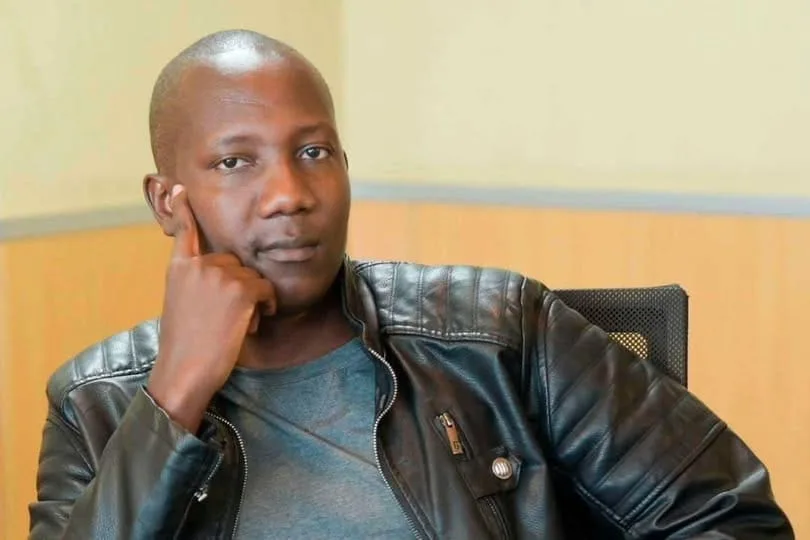
A once-popular Kenyan online figure, Festus Arasa Omwamba, better known as Omwamba, has gone from social media fame to facing serious criminal accusations. Authorities now describe him as a wanted man linked to fraud schemes and recruiting hundreds of Kenyans to join Russia’s military efforts in the Ukraine war.
The 33-year-old Omwamba rose to prominence as an X (formerly Twitter) blogger with a large following – some reports suggest he once commanded significant online attention before losing access to major accounts. But in recent months, his name has shifted from entertainment and commentary to headlines about exploitation and danger.
According to a National Intelligence Service (NIS) dossier presented to Kenyan lawmakers on February 18, 2026, Omwamba stands accused of running a scheme through his company, Global Face Human Resource Ltd, that sent at least 1,000 young Kenyans to Russia. Many of these recruits ended up on the front lines in Ukraine, facing combat they never signed up for.
The NIS claims Omwamba promised desperate job seekers civilian work opportunities in Russia, with attractive bonuses ranging from Ksh 910,000 to Ksh 1.2 million. Instead, victims reportedly arrived to find themselves funnelled into military service.
Some families have shared heartbreaking stories of loved ones who travelled through this pipeline, only to go missing or send final messages from active war zones.
One recruit reportedly told relatives he was in a “hot zone” before contact stopped. Investigations point to frozen bank accounts tied to Omwamba and his associates, plus evidence of coordination with contacts in Moscow for logistics like accommodation and payments.
This isn’t the only trouble on Omwamba’s record. In just the past nine months, he’s faced multiple fraud allegations. Reports detail attempts to access funds from a deceased person’s bank account and defrauding job seekers who paid fees for promised overseas positions that never materialised.
His recruitment agency operated without proper licences, adding to the list of charges. A stop order now prevents him from leaving Kenya, though sources indicate he may have travelled to Russia last year and claims to work there as a cleaning supervisor.
The broader picture paints a grim reality for many young Kenyans hit hard by unemployment. Recruiters exploit this desperation, using social media platforms like TikTok and WhatsApp to spread offers.
Victims often pay upfront fees, open Russian bank accounts upon arrival, and then get redirected to enlistment centres. Former recruits and families have spoken out, describing how promises of steady jobs turned into life-threatening situations.
The Washington Post and other outlets have covered similar pipelines funnelling Africans into Russia’s forces, with Kenya emerging as one source country.
Omwamba has denied wrongdoing in past statements, but the accusations keep mounting. Parliamentary discussions highlighted how over 1,000 Kenyans may have already left through such networks, many on tourist visas before being rerouted to military roles. Lawmakers were angry about the risks to people’s lives and the fact that no one stepped in sooner.
This case brings to light bigger problems with job agencies that aren’t regulated in other countries and the human cost of wars in other countries. Families are still looking for their loved ones, and the government is still pushing for responsibility.
Omwamba’s story is a clear warning about the risks of too-good-to-be-true chances abroad. His assets are blocked, and there is an intense quest for him.
As the investigations go on, a lot of people are wondering how someone with a prominent reputation could have run these kinds of operations for so long. The combination of online influence, economic problems, and wars throughout the world has made a perfect storm that has left communities mourning and asking for more rules on how to hire people. For now, Festus Arasa Omwamba is still a key player in what Kenyan intelligence calls a murderous operation that targets weak people.
Related Posts

Entire Francis Muturi Family Tragedy Ends With Mother’s Cancer Death
Last year a devastating road accident claimed the lives of Francis Muturi and his children, leaving only his wife alive. This year the family tragedy…

Eric Omondi Arrested Over Punguza Mzigo Governance Overhaul
Plainclothes officers arrested Kenyan activist Eric Omondi on September 7 at the National Archives in Nairobi while he collected signatures supporting a bold Kenya governance…

Law Demands Arrest of Derrick Omollo Friends After Death
A lawyer known simply as Law pressed authorities in Juja on Wednesday, September 3, 2026, to detain and grill every friend who stayed with digital…

Ruto Orders Foreign Hawkers Out of Kenya Next Week
President William Ruto has ordered foreign hawkers to leave Kenya, delivering the warning during a recent address as he defended local traders in Kenya against…