
eCitizen Platform Rolls Out Ads Sparking User Backlash

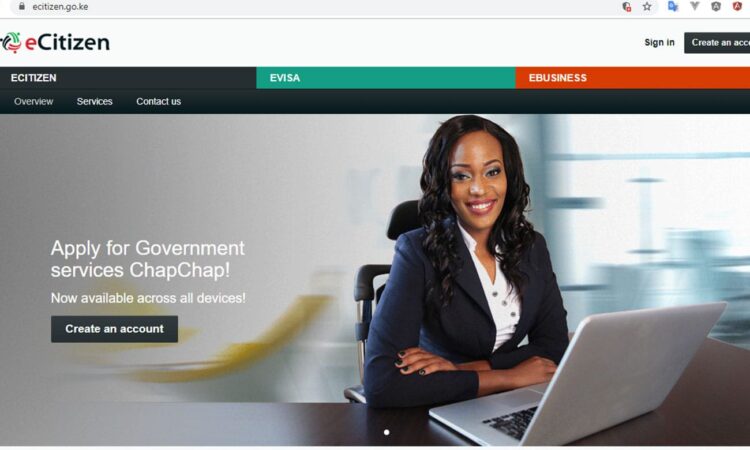
The eCitizen platform rolls out ads, and the move has Kenyans firing off complaints online faster than you can refresh a page. The government digital portal, used daily by millions for tasks ranging from paying taxes to renewing passports, announced on Friday, March 13, 2026, that it will begin displaying commercial advertisements from approved partners alongside official notices and announcements.
Officials say the change comes as part of ongoing upgrades to improve user experience and help fund better features while keeping core services safe and secure. Yet plenty of people logging in already feel annoyed seeing ads pop up on what they consider a taxpayer-funded tool.
The announcement dropped quietly through the eCitizen channels with a short statement explaining that users might notice these new elements soon. The platform handles over twenty thousand government services from ministries, counties and agencies, and it pulls in serious money daily through convenience fees and transaction charges.
Many Kenyans already pay taxes and extra costs just to access basic things like IDs or business permits, so the idea of sitting through or scrolling past ads rubs them the wrong way. Comments flooded social media right after the news broke, with one user saying, ‘Why turn a public service into another ad space when we already pay enough?’ Others called it intrusive, pointing out that government websites should stay clean and focused on helping citizens, not selling products.
Supporters of the change argue it makes sense in the long run. The portal keeps growing with more services added every year, and improvements cost money.
‘Approved partners’ means the ads should come from trusted sources, not random pop-ups that could confuse or scam people. Officials promised the advertisements will not mess with security data privacy or how fast the site loads.
Core functions, like applying for documents or making payments, will stay exactly the same, just with a bit more content around the edges. The goal seems to be keeping the platform modern and sustainable without asking taxpayers for extra budget lines.
The backlash feels especially sharp because eCitizen is one of the few government tools that actually works smoothly for many. People remember long queues at offices and middlemen taking cuts before the portal came along. It saves time and cuts corruption in theory, so adding ads feels like a step backward to some.
One frequent user posted that waiting five minutes for an ad to finish before downloading a document would be evil, especially when the service already charges fees. Others worried about clutter making the site harder to navigate or ads blending in with real government notices and leading to mistakes.
This rollout happens at a time when digital government services face more scrutiny in Kenya. Recent audits questioned vendor roles and revenue handling, so any new revenue stream draws extra eyes. The platform generates at least one billion shillings daily from fees alone, which already funds a lot of its operations.
Introducing commercial ads could bring in additional cash for upgrades like better servers, faster loading or new mobile features. Yet critics say the government should find other ways to pay for improvements without turning eCitizen into something closer to a free app loaded with banners.
Everyday users who rely on the site for work licences, passports or even simple registrations now wonder how the ads will look and feel. Will they be small banners at the bottom or full-screen takeovers before you log in? The statement mentions official announcements mixed in, so perhaps the commercial stuff stays separate and easy to spot. Still, the frustration boils down to a simple question: why add more when we already pay to use this thing?
The debate keeps rolling on social media with people sharing screenshots of what they expect the changes to look like. Some joke about getting ads for loans while applying for a police clearance certificate; others say it proves nothing stays free even from the government. For now the platform continues running as usual, but users brace for the first ad to appear and wonder if it changes how they feel about the whole system.
The eCitizen platform rolls out ads, and while the government calls it a smart step forward, many Kenyans see it as one more cost on top of costs they already shoulder. The coming days will show exactly how the ads blend in and whether they help fund real improvements or just add to the noise.
For millions who log in daily the portal remains a lifeline, but now with a new layer that has everyone talking. Whether the frustration fades or grows louder depends on how smoothly the rollout happens and how much the ads actually interfere with getting things done. For the moment the conversation stays heated because when government services start feeling commercial, people notice right away.