
Iran Buys Fake Plastic Military Gear from China to Trap US and Israel

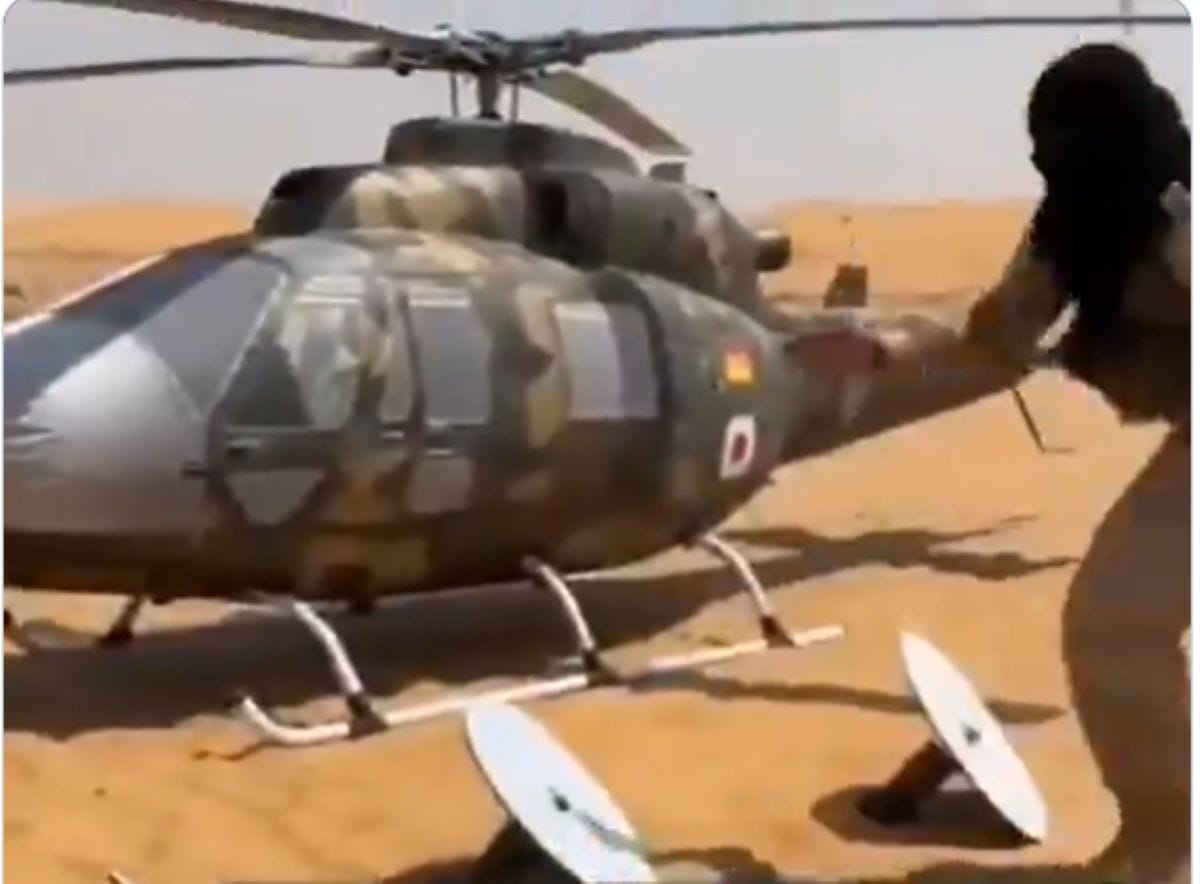
Iran bought fake military gear from China to trap US and Israeli air forces, according to sources, which left defence watchers scratching their heads. Sources say Tehran poured millions into phoney fighter jets, tanks, air defence systems and other equipment as part of a calculated trick to draw American and Israeli pilots into a deadly ambush.
The sources’ details reveal a massive deception. Iran supposedly ordered replica weapons that look real on radar and from a distance but fall apart or do nothing once the fighting starts. According to the claim, the idea is simple: make the enemy think they face a strong, upgraded military, pull them deep into Iranian airspace, and then hit them with actual hidden defences. The haul includes copies of Chinese J-10 jets, S-300-style missile batteries, and T-72 tanks.
The sources include side-by-side images showing what looks like brand-new gear next to older Iranian equipment. Some shots appear to zoom in on welds or panels that seem off, hinting they might be fakes.
Comments poured in fast, with some users laughing it off as classic conspiracy talk, while others pointed to past reports of Iran struggling with real sanctions and poor-quality imports.
A few defence analysts jumped in to say the tactic isn’t completely crazy on paper since countries have used decoys before, but pulling it off on this scale against modern satellite eyes would be next-level difficult.
Iran and China have grown closer recently, especially on military and oil deals that skirt Western sanctions. Tehran has bought drones and missiles from Beijing before, so the idea of more hardware flowing in isn’t shocking. But fake fighter jets?
That part raised eyebrows even among people who follow the region closely. The post suggests the plan was cooked up after recent Israeli and American strikes on Iranian sites. Leaders in Tehran realised their real arsenal took heavy hits and needed a quick fix to buy time.
No official word has come from Tehran or Beijing yet, which only adds to the chatter. Israeli media swiftly reported the story, describing it as either a deft Iranian bluff or sheer desperation.
American defence circles stayed quiet for now, though a couple of retired generals on cable news laughed and said, ‘Good luck fooling F-35 pilots with cardboard cutouts.’ Still, the claim taps into bigger worries about how proxy fights in the Middle East keep getting more creative and unpredictable, particularly as nations employ unconventional tactics that challenge traditional military strategies and escalate tensions in the region.
Back home in Iran, everyday talk on the streets and social apps mixes pride with scepticism. Some people cheer the thought of outsmarting bigger powers.
Others question the wisdom of investing in dummies at a time when hospitals and markets are already burdened by sanctions and conflict.
Defence experts express difficulty in verifying fake equipment from space, and both sides remain silent about their actual capabilities. What’s clear right now is how fast a move can light up conversations from Tel Aviv to Washington.
People share maps of possible ambush zones, old clips of Iranian parades, and jokes about Chinese factories churning out movie-prop tanks.
The timing feels pointed, too. With tensions still high after the latest round of strikes, any whisper about new weapons or surprise tactics grabs attention. If the claim proves even partly true, it could change how air forces plan missions in the region, potentially leading to a reevaluation of strategies and resource allocation in response to perceived threats. If it’s mostly smoke, it still shows how information wars run hot alongside the real ones.
For now, the move keeps gaining traction, drawing in discussions from military buffs, news junkies and regular folks who just like a good twist. The concept of Iran attempting to deceive its way to victory against two of the world’s leading air powers captivates everyone with its unique blend of audacity and danger.
As the story garners more attention, a recurring theme emerges: in today’s conflicts, the distinction between genuine strength and deceptive tactics becomes increasingly elusive. Keep watching the skies and the timelines – this one might have more chapters coming soon.
Related Posts

President Museveni Calls Sex Denial In Marriage Jailable Offense
Uganda President Yoweri Museveni stirred fresh controversy when he declared denying your partner sex a big offence that could land people in jail. The veteran…

Uri Geller Cancels Witch Doctor Nana Kwaku Curse on Harry Kane
Uri Geller stepped in to cancel the witch doctor’s curse on Harry Kane right before England faced Ghana in the World Cup. The Israeli-British illusionist…

Didier Deschamps Mourns Mother’s Death Ahead of Norway Game
France national team coach Didier Deschamps faces sudden heartbreak as news of his mother’s death spreads through the football world. The long-time leader will fly…
JD Vance Delivers Blunt Warning to Netanyahu Government
Vice President JD Vance issued a fierce warning to Benjamin Netanyahu’s cabinet on Thursday against undermining their crucial American partnership over President Donald Trump’s new…