
Kenya AFCON 2027 in Limbo, Stadium Need Urgent Upgrades

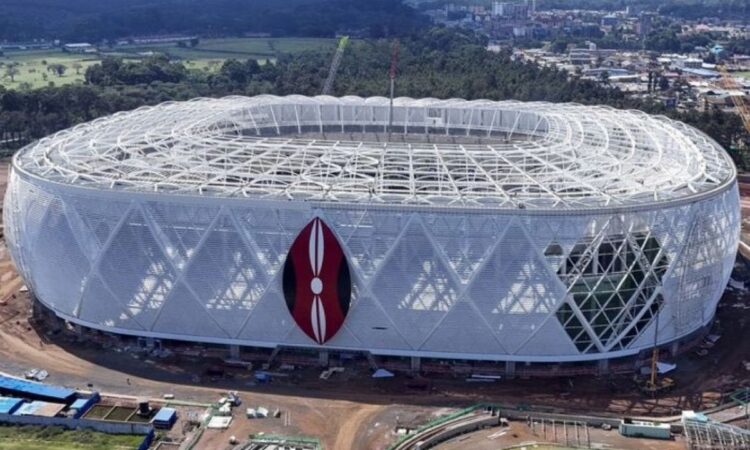
A major Kenya AFCON 2027 stadium crisis has hit hard after a fresh CAF report showed that none of the country’s main venues meet the standards needed to host the big tournament. The news comes as a real setback for Kenya, while Uganda has received the green light from CAF for its quality infrastructure and steady progress on preparations.
The report landed like a wake-up call for Kenyan sports officials. It looked at the key stadiums that were supposed to welcome teams and fans from across Africa in 2027. Right now the picture does not look appealing. Talanta Sports City is still under construction and far from finished.
Kasarani and Nyayo National Stadium both need major upgrades to reach the level CAF demands for safety, seating facilities and overall match-day operations. Without quick fixes, the venues simply will not pass inspection when the final checks happen closer to the event.
Uganda stands in a much stronger position. CAF inspectors gave the country a positive nod for the work already done on its stadiums and the clear plans moving forward. That approval puts Uganda ahead in the race among the three co-hosts, Kenya, Uganda and Tanzania.
It means Uganda can focus on fine-tuning details instead of starting from behind. The difference has sparked plenty of talk back home in Kenya, where people expected the country to shine as a proud host.
Sports fans in Nairobi and beyond feel frustrated. Many remember how Kenya has pushed hard to land big events and show the world what it can do. Hosting AFCON would bring thousands of visitors, boost local businesses and put Kenyan football on the map.
Now the delays raise questions about whether the country can catch up in time. Government teams and the football federation have promised to speed things up, but the clock is ticking loud.
The race to beat deadlines has kicked into high gear. Engineers and contractors at Talanta are working around the clock to complete the new build on schedule.
At Kasarani and Nyayo teams must handle everything from new seating and roofing to modern floodlights and media areas. Every piece matters because CAF sets strict rules for category four venues. Miss the mark, and matches could shift to other countries, or the whole hosting plan could face bigger problems.
Kenyan officials say they remain committed to the dream. They point to the money already spent and the partnerships in place to get the jobs done. Still, the CAF findings mean extra pressure and possibly extra costs to fix what inspectors flagged.
No one wants to see Kenya fall short while Uganda moves forward smoothly. The contrast has even led some voices to call for more accountability on how the projects have been managed so far.
For everyday Kenyans the story touches national pride. Football brings people together, and AFCON represents a chance to celebrate African talent on home soil.
Young players dream of one day competing in such a tournament right here. Parents and kids talk about the excitement of packed stands and world-class matches. If the stadiums stay behind schedule, that shared joy could slip away and leave a sour taste.
Uganda, on the other hand, can breathe a little easier. Their infrastructure push has impressed CAF enough to earn the okay. That success story gives the whole co-hosting arrangement hope that at least one partner is on track. It also sets a quiet example for Kenya to follow with focused work and steady results.
The coming months will decide a lot. Kenya must show real movement on the ground with visible changes at each venue. CAF will keep watching closely, and any further delays could bring tougher conversations.
Fans are already online sharing opinions, some urging faster action and others asking for honest updates on timelines. The pressure sits squarely on the shoulders of those running the projects.
In the end, this Kenya AFCON 2027 stadium crisis is more than just numbers on a report. It is about whether the country can deliver on a promise that matters to millions.
Uganda has shown what steady preparation looks like, and now Kenya has the chance to match that energy. The race is on, and the finish line sits in 2027. Every day counts as teams push to turn the current setbacks into a success story that makes all of East Africa proud when the tournament kicks off.
Related Posts

Chelsea Youngster Tyrique George Completes Everton Move From Chelsea
Chelsea youngster Tyrique George completes his move to Everton from Chelsea in a deal that shakes up the Premier League transfer scene. The promising attacker…

Mbappe Snubs Keeper Handshake After Tense World Cup Clash
Paraguay keeper Orlando Gill voiced raw anger after Kylian Mbappe brushed off his handshake attempt right after France defeated Paraguay in the World Cup round…

Brentford Agree to Jaidon Anthony Deal Worth £20M
Brentford agrees to the Jaidon Anthony deal worth twenty million pounds as the energetic winger prepares to swap Burnley for a new challenge at the…

Chelsea Ramps Up Pursuit of Pep Echevarria in Left-Back Chase
Chelsea pushes hard for Pep Echevarria as the club eyes a key left-back addition this summer. The Blues maintain strong interest in the defender even…